




Good journalists see hues of grey
Where others see events and people, journalists see issues and stories. Where others are content with routine, journalists see alternatives. Where others ask what, journalists wonder what now.
That’s how I guide my students on becoming more observant of their surroundings and reflective of what they see that others easily overlook.
Where others see events and people, journalists see issues and stories. Where others are content with routine, journalists see alternatives. Where others ask what, journalists wonder what now.
That’s how I guide my students on becoming more observant of their surroundings and reflective of what they see that others easily overlook.
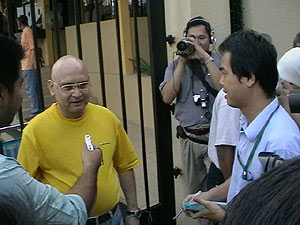 In 20 years of teaching journalism in Australia – and Malaysia - I have seen eager beavers come and go – some with keen eyes for seeing stories in events and people; some rough diamonds who report with minimal supervision.
The rest, they’re usually keen hard-knockers who struggle to produce succinct clean copy after years of writing padded essays to impress.
The self-starters, those who exude an aptitude for self-directed learning, they often do well.
Those who don’t do well – they’re the laggards who often ask for deadline extensions, which they won’t meet, and who can’t see beyond their nose nor write beyond what they’re used to writing.
Sloths and the creatve drifters
Then, you have the passive learners. They wait to be assigned stories. Like sloths, they need constant prodding to drag themselves along.
Following behind are the rigid learners. They’re anal to an extent, and self-destructively fragile. They’re often the frazzled ones who apply for ‘special academic consideration’ in the final assessment because their pet, a family member or a close friend had died.
Easily distressed and melodramatic, they’re quick to shoot off an email to complain about too many assignments, too little time, and too low marks.
The conceited learners – they’re the problematic ones with oversized ego. They are in love with every word they write. Succinct language, they feel, just stifle their creativity.
They prance and skirt around their sentences. They disdain the word ‘said’ in news reports but love to ‘opine’. They too complain of too low marks for their ‘creative’ work.
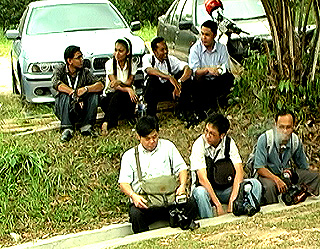 And, finally, the drifters who take journalism classes ‘for the heck of it’ and for a break from their dry major - from commerce and marketing to medical science and IT.
The drifters, interestingly, because they’re comfortable with change and ever ready to take on an assignment, knock on doors and chat up strangers on the street, they often do quite well - relative to the gifted novice hacks. The creative drifters are a pleasure to teach.
Attributes of a good hack
My point is good journalists are nurtured on these attributes – adaptability, experimental, open minded but respectful of tried and true journalistic conventions.
Becoming good journalists has more to do with the ability to write clearly and report accurately. It’s the capacity for seeing what others overlook, for seeing themes where others only see isolated stories.
It’s the penchant to think laterally and ask the right questions where others merely focus on finding clear cut answers where there are only hues of grey. Where others look forward, the good journalists look back and sideways.
Wouldn’t it be good to see more of these journalists in the Malaysian newsroom – writing, commenting and analysing from informed research and diverse sourcing rather than merely reacting with platitudes?


Are you sure you want to delete this comment?
This action cannot be undone.