


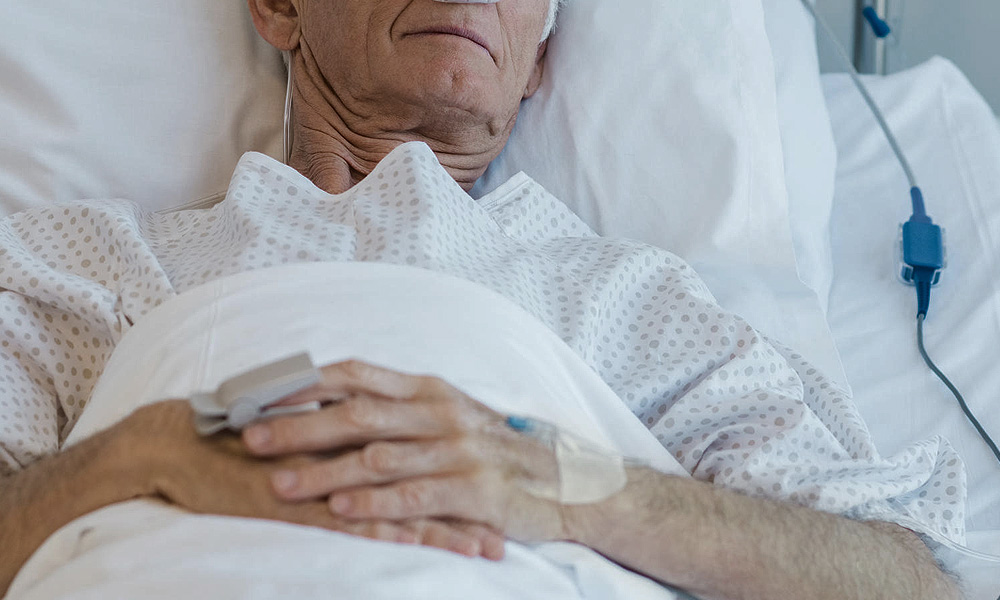

Keeping faith in the fight with cancer
COMMENT | Death is an unpleasant fact of life. But does death have any bearing on me at this moment? No. It’s not my time yet, or so I think.
You see, when we talk of death, it’s usually about the death of friends and acquaintances. Anxiety over our own impending death may be too much to bear. So we insulate ourselves from the imminent arrival of the grim reaper.
I have written of the possibilities of living, the finality of dying and the enigma of what happens when our life fades to black.
People of various faiths have different takes on the hereafter – from the cycle of birth and reincarnation to judgment day and eternal life in heaven or our lurking in purgatory...
COMMENT | Death is an unpleasant fact of life. But does death have any bearing on me at this moment? No. It’s not my time yet, or so I think.
You see, when we talk of death, it’s usually about the death of friends and acquaintances. Anxiety over our own impending death may be too much to bear. So we insulate ourselves from the imminent arrival of the grim reaper.
I have written of the possibilities of living, the finality of dying and the enigma of what happens when our life fades to black.
People of various faiths have different takes on the hereafter – from the cycle of birth and reincarnation to judgment day and eternal life in heaven or our lurking in purgatory.
What happens after we die could just be as profoundly simple as, in the words of Keanu Reeves, knowing that “the ones who love us will miss us”.
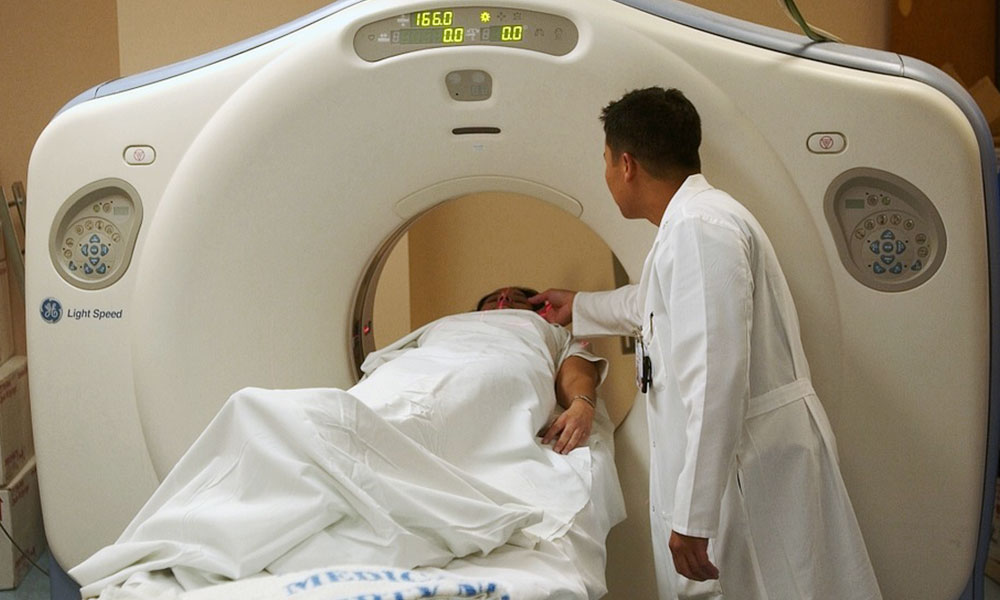
Yes, how I miss my brother who died on March 23, seven months after struggling through cycles of chemotherapy to treat a rare form of bile duct cancer.
As a doctor, he knew his chances of sticking around for at least a year with stage four cholangiocarcinoma was depressingly low at 2 percent. The enormity of this stark reality weighed on my brother’s mind.
His will to live, his wish to see his grandkids grow up to high school age, to attend my son’s wedding in Prague, then a visit to a pilgrimage town of ‘healing’, Medugorje, in Bosnia-Herzegovina, helped him focus on limited goals – all unfulfilled.
I remember those moments I sat with him in Perth. Few words were said. By just being there helped us navigate through our anticipation and disappointment, our hope and despair.
“What to do?” he said in exasperation after his chemo failed to stem the cancer growth and persistent weight loss.
As a last resort he explored immunotherapy with his oncologist, but that was not a viable option for cholangiocarcinoma.
“That’s it,” he said. “My time is up. Only God can help me now.”

My brother had lived in faith, and died in dignity with family by his bedside. His two grandkids hummed a hymn and held his hands as he drew his last breath. My brother left us a simple legacy – love each other, keep the family close.
The local paper in Mandurah reported his death. A friend wrote a poem. Colleagues and past patients continue to post memories on the Mandurah Obstetrics Community Facebook.
It has been two months since he died, cremated and interred in Fremantle cemetery. His plaque reads: “A life well lived in simplicity, humility and generosity, he touched the lives of many.”
Was my brother’s faith his source of strength as his physical body wasted away? Would his final race be any different if he had no faith in divine deliverance?
I remember asking him in our walk in the park how he felt knowing he was dying. It was not a question of why me. “It is what it is,” he said, even as he wished it were otherwise.
“I am not afraid of the future now,” he said, expressing his faith. “And I’m not afraid of the outcome with this health crisis.”

An undying faith, a fulfilled life and imminent death are questions that still race around my mind. ‘Eternity’ was a mere abstraction, a question of faith that I hear in Sunday sermons.
Praying with my brother as he peacefully faded over two days of palliative care, I can now better relate with that idealized hope of meeting him again.
Which is nonsensical ideation to thinkers like Christopher Hitchens, who died of esophageal cancer in 2011 at age 62, who denied the power of prayers to comfort and ‘heal’. Or Stephen Hawking who died at age 76.
Zealous evangelicals (who designated online September 20, 2010 as a ‘Everybody Pray for Hitchens Day’), however, claimed that Hitchens converted to Christianity on his deathbed. That was untrue.
Anticipating that he would be used by the “religious” to propagate his deathbed conversion, Hitchens did a “pre-buttal” and wrote about how he confronted his cancer and imminent death through the power of his pen and intellect in his final book ‘Mortality’ (2012).
He expounded his views on faith, prayers and death with CNN’s Anderson Cooper who asked Hitchens whether he was hedging his bets with God.
Hitchens was politely grateful to those who prayed for him because they meant well. But prayers, he said, had not swayed his mind about religion or the non-existence of God and the hereafter.
A Google search shows the inconclusive mixed literature on the therapeutic effects of prayer. A study in the US in 1988 showed that “intercessory prayer to the Judeo-Christian God has a beneficial therapeutic effect in patients admitted to a CCU (coronary care unit)”.
Clinical trials in 2006, however, showed no correlation between the number of prayers and the likelihood of heart patients fully recovering from their surgery.
Opinions on the power of prayer to comfort and 'heal' are as diverse as the meanings are of faith and reason and their respective routes to truth. Mainstream medicine, however, is opening up to the spiritual.
For instance, Hmong shamans now work with medical professionals at Mercy Medical Centre in Central Valley California to treat patients steeped in spiritual beliefs, as is the Aboriginal community in Australia in treating cancers using bush medicine and traditional healing.
Be that as it may, until one has sat and spent time with a loved one dying from cancer, until one has experienced the peace that comes from a spiritual acceptance of stark reality, the power of family love, faith and prayers to comfort and ‘heal’ will always remain a mystery.
ERIC LOO is a senior fellow (journalism) at the School of the Arts, English & Media, Faculty of Law, Humanities & Arts, University of Wollongong. He is also the founding editor of Asia Pacific Media Educator.
The views expressed here are those of the author/contributor and do not necessarily represent the views of Malaysiakini.


Report this comment
Are you sure you want to delete this comment?
This action cannot be undone.