


COMMENT | Looking back at the good things from the MCO
COMMENT | Now that the conditional movement control order (MCO) has ended, let’s move away from the deluge of depressing news, e.g. corruption acquittals, economic downturn, Bersatu circus, etc. and look at some of the positive stuff.
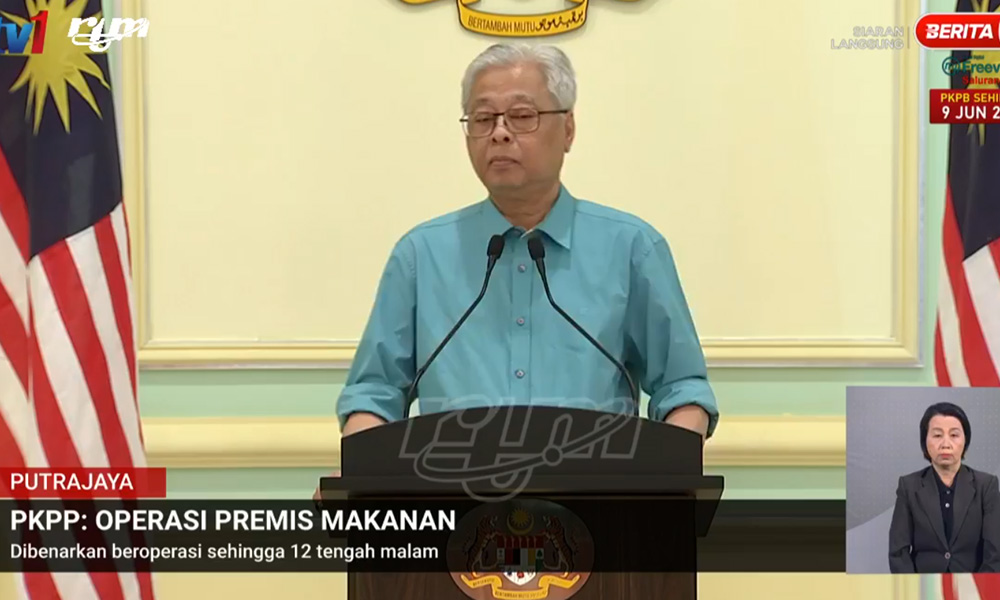
1) At the beginning of the MCO, we could see police patrolling our neighbourhoods. Yes, it was great to see them being so dedicated to catch people gathering for a chat, or even joggers who were trying to enjoy fresh air and sunshine. It was effective at scaring people into staying at home. And it allowed Ismail Sabri to boast about how many people had been arrested - and then stuffed into lockups without social distancing...
COMMENT | Now that the conditional movement control order (MCO) has ended, let’s move away from the deluge of depressing news, e.g. corruption acquittals, economic downturn, Bersatu circus, etc. and look at some of the positive stuff.
1) At the beginning of the MCO, we could see police patrolling our neighbourhoods. Yes, it was great to see them being so dedicated to catch people gathering for a chat, or even joggers who were trying to enjoy fresh air and sunshine. It was effective at scaring people into staying at home. And it allowed Ismail Sabri to boast about how many people had been arrested - and then stuffed into lockups without social distancing.
Yet, these patrols were exactly what people had requested, for years, to reduce crime, and to free residents from having to pay for their own guards. Now that police have shown that the hard work of reducing MCO offences can be done, can the hard work of reducing normal crimes be continued?
2) Rigid employers have realised that work can be done from home. As I mentioned in my previous column, this means that Kuala Lumpur folks can soon enjoy countryside living, with perhaps weekly visits to 'show face' at the city office.
People will enjoy cleaner air, less traffic, and cheaper house prices. In addition, this may spread out voters from overcrowded urban seats.
If Anwar Ibrahim can spare a few moments from the latest political musical chairs, perhaps he can come up with a strategic plan for how his seat, Port Dickson, can be a new growth area for migrants fleeing the city? After all, the last I checked, isn't the Negeri Sembilan state government still controlled by Pakatan Harapan?
3) For a change, lazy people could help save the world just by staying at home, lying down and watching TV. Never had activism been so passive!
4) Many volunteered to distribute food aid or to help isolated old and needy folks to do grocery shopping. Others contributed money. This was Malaysia at its multiracial best.
5) Some countries kept food supplies for themselves during Covid-19 lockdowns. For example, Vietnam stopped their rice exports to us. This raised the question - did we have enough to feed Malaysians, especially when people were panic-buying at supermarkets?
We import a quarter of our food, which comes up to a whopping RM60 billion. This is a wake-up call to fix the racial and other barriers hindering our agriculture sector so that we can achieve food security.
Another plus is that local food growers were forced to find alternatives (usually online) methods to market their produce. This may improve the livelihoods of farmers in the future.
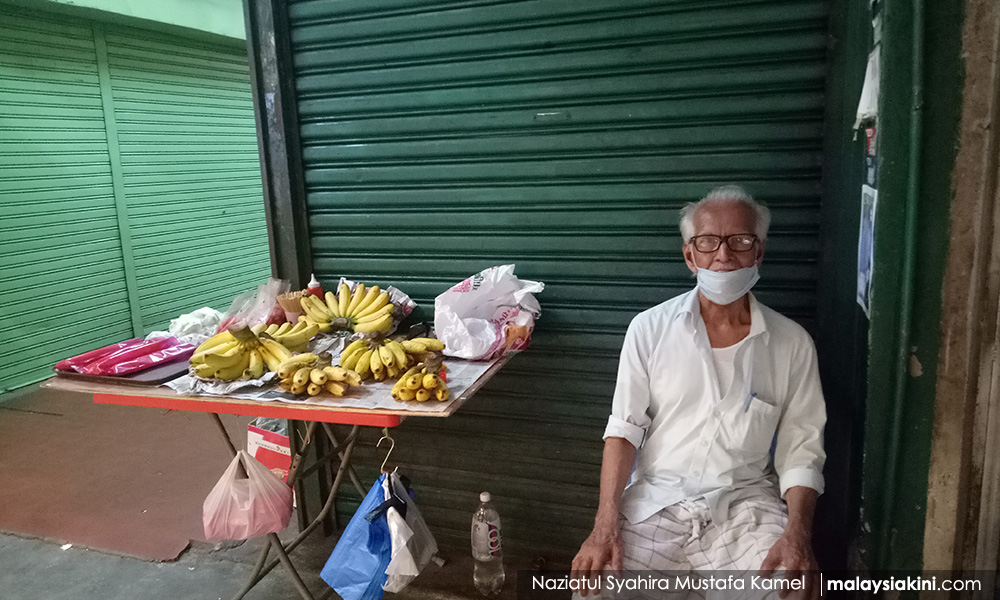
6) Bachelors had to learn how to cook something more than just instant noodles! And there was a mushrooming of home chefs proudly displaying their creative dishes on social media.
7) Ismail Sabri’s rule that only “ketua rumah” (heads of households) were allowed to do grocery shopping provided many laughs and added to the “branding” of Malaysia as a “progressive” country.
However, in learning the difference between kangkung and sawi, halia and lengkuas, perhaps husbands learnt how to better appreciate the work their wives do to provide meals for the family?
8) There was a burst of local creativity, including this superb one-man musical theatre by Joshua Gui entitled “Beauty and Covid-19: Belle - The Covid Princess of KL”.
Various Malaysian Covid songs were put up online by home singers, including an English blues version, where the singer-guitarist is joined by his wife, daughter and cat, and a Malay song which spliced in scenes from Tamil movies.
The professionals had their share. The song OK-Lah! (Sayonara Corona) by Namewee, featured 17 musicians from six ethnic groups and 14 instruments (including the sitar) from all over Malaysia (and even New York). And there was the multi-lingual song (Malay, English, and Mandarin) called Stay Safe @ Home which featured Sheila Majid, Jaclyn Victor, Aniu, Ana Raffali and Altimet.
Online outrage is effective
Another positive lesson from the MCO was how we saw public pressure working to effect change, even if it's just online outrage rather than street protests.
Several poorly planned MCO decisions were changed because people spoke up or “made noise”. Examples:
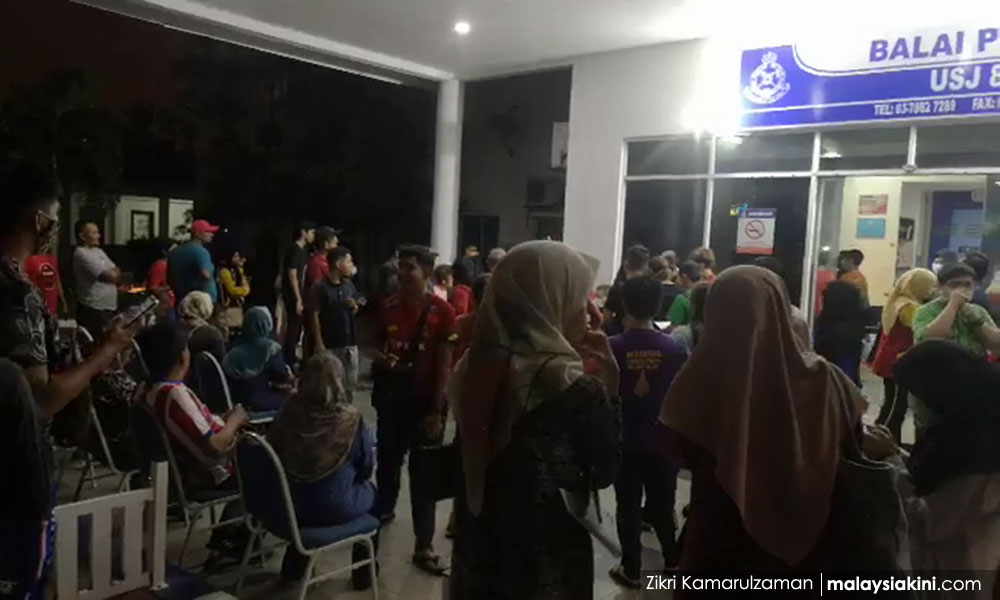
a) The initial MCO order to evict students from hostels and to get police permits for interstate travel had led to huge crowds at bus and police stations. This order was reversed after public criticism that such gatherings were exactly the wrong way to fight the virus.
b) The Prime Minister’s “Mak Cik Kiah” stimulus package on March 27 was heavily slammed for giving little help to SMEs (which provide most jobs in Malaysia). On April 6, an extra RM10 billion SME “Madam Lee beauty salon” aid package was announced.
c) Ismail Sabri declared that NGOs must stop sending food to the needy and let the Welfare Department/Rela distribute it, probably to prevent anybody except “the government” from getting the credit for “helping the rakyat”. A huge online outcry showed how impractical this was, and the decision was reversed.
d) Mass arrests of MCO violaters were criticised because crowded lockups would mean a higher risk of virus transmission. This led authorities to announce that they would explore alternatives, such as fines.
e) Who can forget the “minum air suam to prevent Covid” Health Minister? After being ridiculed for giving wrong advice, he didn’t dare do the daily media briefings. People only trust Director-General Dr Noor Hisham for reliable health updates.
f) Minister Zuraida Kamaruddin was lambasted for her PR stunt of wastefully spraying sanitiser onto roads while wearing a hazmat suit (needed by real health workers). Even worse, she got a crowd to listen to her speech, violating social distancing. That ended such cheap stunts.
g) The Women’s Ministry suspended the Talian Kasih helpline (for domestic abuse) during MCO, then reinstated it after an outcry. The same Ministry asked wives to talk like cartoon character Doraemon to avoid “offending” husbands stuck at home. The Ministry apologised after national (and yes, global) ridicule.
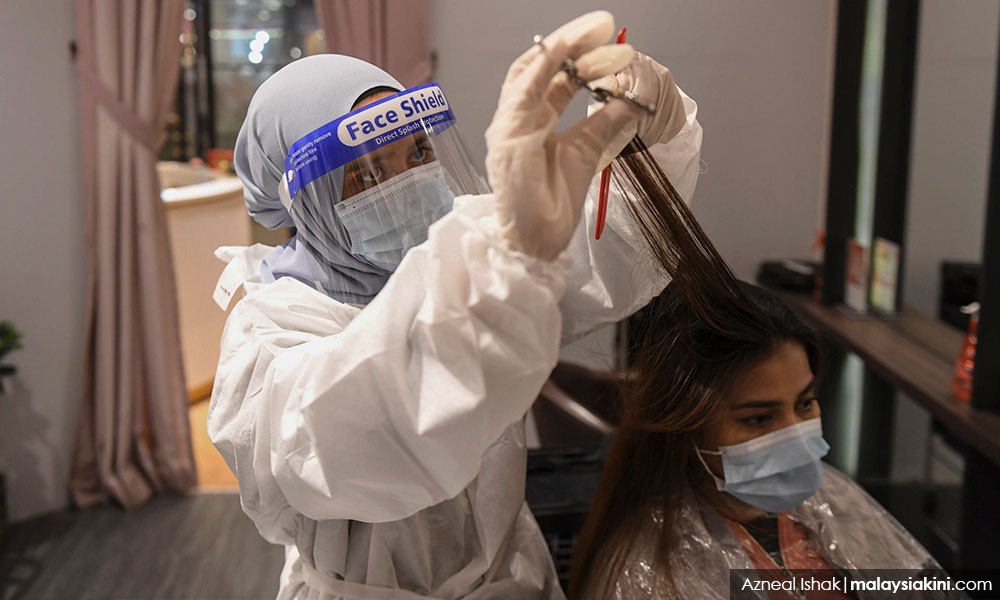
h) After “air suam”, Zuraida, Ismail Sabri and Doraemon, another dent to Perikatan Nasional’s credibility was Azmin Ali’s asinine announcement on April 10 to allow barbers and hair salons to operate. Despite being widely slammed, the hole was dug deeper when his ally tried to justify haircuts as a way to “reduce blood pressure”. Needless to say, this was reversed.
All these examples showed that change can happen when enough people speak up, especially with this fumbling backdoor government.
In conclusion, as we look back at the MCO (and controlled MCO), there were some positive things that came out of it, be it police patrols, working from home, Malaysian creativity, or realising that our voices do count.
Let’s try to remember and work on all that.
ANDREW SIA is a veteran journalist who likes teh tarik khau kurang manis. You are welcome to give him ideas to brew at tehtarik@gmail.com.
The views expressed here are those of the author/contributor and do not necessarily represent the views of Malaysiakini.



Report this comment
Are you sure you want to delete this comment?
This action cannot be undone.