



COMMENT | Coping with the Covid crush
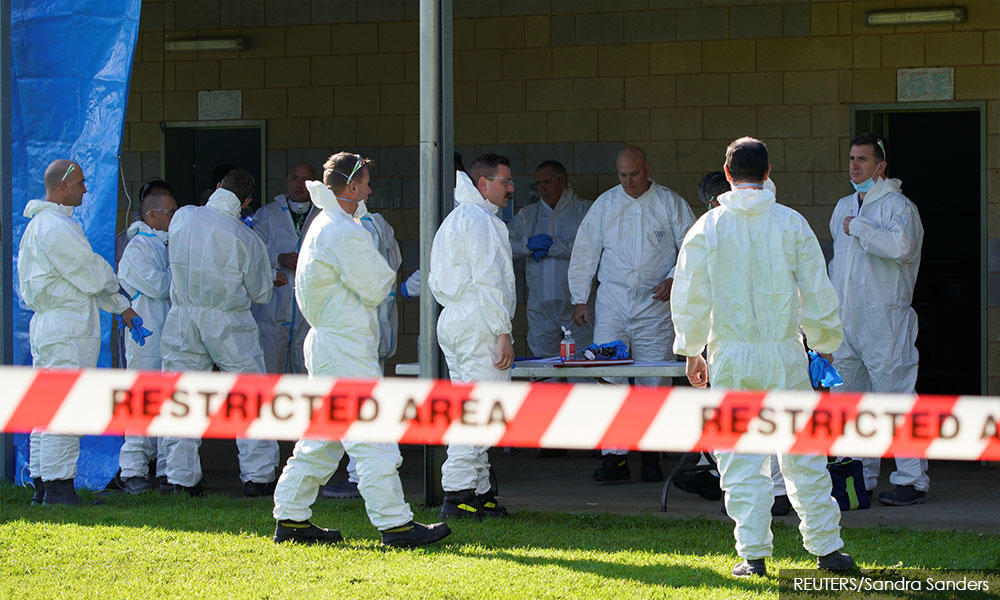
COMMENT | My newsfeed on Covid-19 shows a common thread: the new coronavirus may be suppressed, but it will not be eradicated. Looks like Covid-19 is here to stay, its virulent feelers scenting out the weak and the aged with comorbidities, diminishing them while the younger and stronger ones prevail, many with no symptoms.
Yes, that is a grim picture of Covid’s ripple effects on the well-being of individuals and families. Much has since been written on how to cope with the pandemic. The measures seem simple: anticipate, adapt, and act before the next worst possibility.
Despite the long history of pandemics - from the bubonic plague and Spanish flu to SARS and Ebola - governments were generally ill-prepared for this viral outbreak, which Bill Gates foreshadowed in a 2015 TED Talk following the Ebola epidemic in Africa.
Figures from the Stockholm International Peace Research Institute show that a majority of governments, with regional variations, allocate a larger budget to public healthcare as a percentage of their GDP than to defence. (Malaysia’s health budget comes to RM30.6 billion, which is twice the allocation for defence in 2020).
However, regional military exercises were...
COMMENT | My newsfeed on Covid-19 shows a common thread: the new coronavirus may be suppressed, but it will not be eradicated. Looks like Covid-19 is here to stay, its virulent feelers scenting out the weak and the aged with comorbidities, diminishing them while the younger and stronger ones prevail, many with no symptoms.
Yes, that is a grim picture of Covid’s ripple effects on the well-being of individuals and families. Much has since been written on how to cope with the pandemic. The measures seem simple: anticipate, adapt, and act before the next worst possibility.
Despite the long history of pandemics - from the bubonic plague and Spanish flu to SARS and Ebola - governments were generally ill-prepared for this viral outbreak, which Bill Gates foreshadowed in a 2015 TED Talk following the Ebola epidemic in Africa.
Figures from the Stockholm International Peace Research Institute show that a majority of governments, with regional variations, allocate a larger budget to public healthcare as a percentage of their GDP than to defence. (Malaysia’s health budget comes to RM30.6 billion, which is twice the allocation for defence in 2020).
However, regional military exercises were conducted more often than the critical “germ games”. Last year alone, the US staged “85 joint military exercises with its allies in the Indo-Pacific region (including Malaysia) … to counter Beijing’s rise in the South China Sea”, according to a Chinese think-tank.
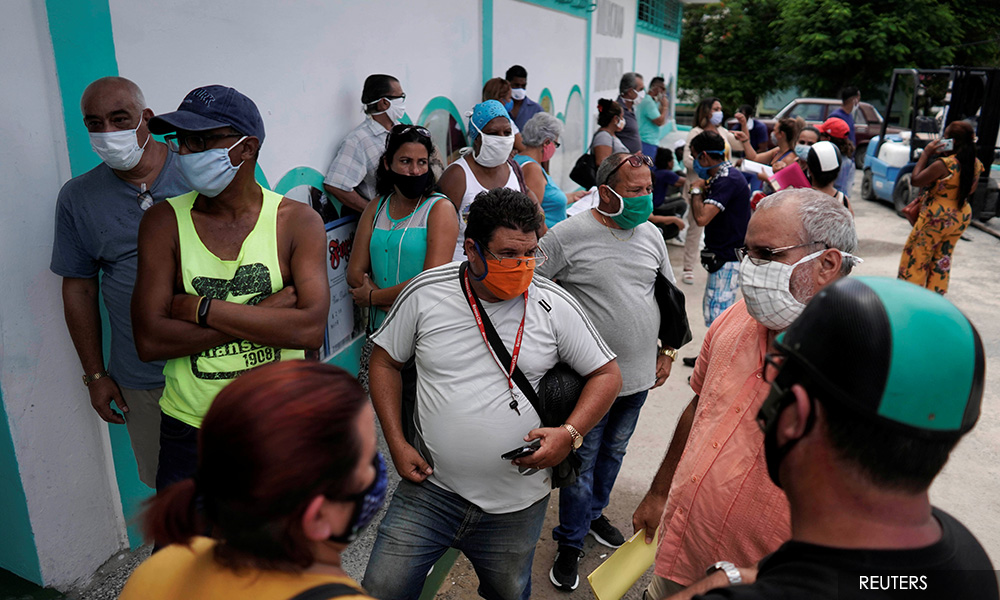
The military complex aside, it is worth revisiting the World Health Organisation's (WHO) guidelines on how we can personally help mitigate the spread of Covid-19. They are basic – wear masks, wash your hands, physically distance in crowded places, get tested if you have flu-like symptoms and self-isolate at home.
Changing behaviour, however, escapes many when critical changes conflict with one’s core beliefs and entrenched habits – such as the gathering of former prime minister Najib Abdul Razak's supporters on July 28 that flouted the health ministry’s SOPs.
Or, the religious dogmatists who see the current crisis, as with HIV-AIDS, as a spiritual punishment from God for man’s transgressions.
Or the anti-science campaigners and anti-maskers who push a mixed bag of nonsensical theories that mandatory mask-wearing is akin to governmental over-reach, even as scientists and research show otherwise.
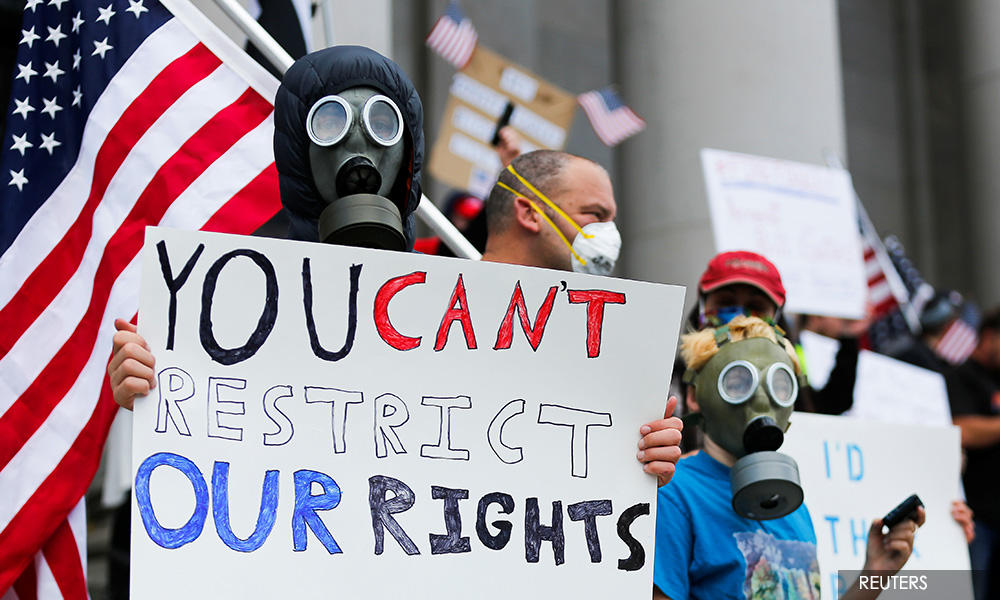
The notion of the “sovereign” citizens’ freedom and right not to wear a mask, which is ongoing in the US, has even spread to Singapore and Australia.
The lowest number of Covid-19 cases and related deaths were said to be evident in Buddhist-majority countries. That was attributed to the Buddhist affinity with nature, hence a deeper understanding of the consequences of destroying the natural environment and its animal species.
Even as Covid-19 exposed the darker side of self-centred societies, its ruinous impact on families who have lost loved ones to the virus has also touched “the better angels of our nature” with healthier, younger individuals volunteering for risky vaccine trials.
But who knows when scientists will find a vaccine or when the world population will acquire herd immunity. Until a vaccine is found, planetary health experts are cautioning that deforestation, which has uprooted animals from their natural habitat, unsustainable population growth and excessive consumption of the world’s resources will result in another viral outbreak.
Here, I am reminded of the Malthusian theory of population, which I studied in high school economics. The theory alludes to the inevitability of global catastrophes when world population grows exponentially amid limited cultivable lands to sustain human life. Food shortages would then lead to widespread famine, diseases (in the form of pandemics) and wars.
Thomas Malthus deemed that these catastrophes would bring world population growth back to a sustainable level. According to the theory, we can kick the population bucket only so far along the road – and every road always ends at some point.
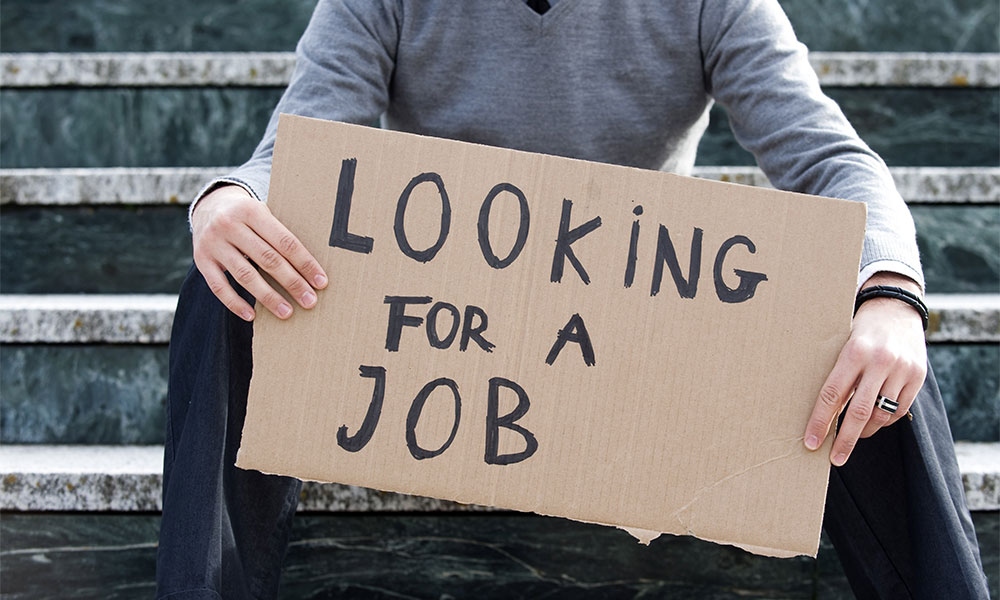
Although Malthusian theory, written in the 18th century, does not completely apply in today’s environment, the issues that the English cleric envisioned are very real in poor developing countries that are ridden with corrupt governance, socio-economic injustices, sectarian conflicts, preventable diseases, food shortages and galloping unemployment.
Could Covid-19 preempt future pandemics in a highly connected post-modern, post-truth world? Which brings me to the complex systems theory, which basically says that the more complex the system, the more interconnected its component parts, hence the more efficient the system operates.
However, efficiency in a complex system relies on all its component parts working efficiently together. If one part breaks, the system collapses in the absence of a contingent plan.
This is what I see in today’s pandemic - the “butterfly effect” in a complex Earth system of international trade and travel, of global cultures and global warming. Small changes in one state will result in big changes in another state in no time.
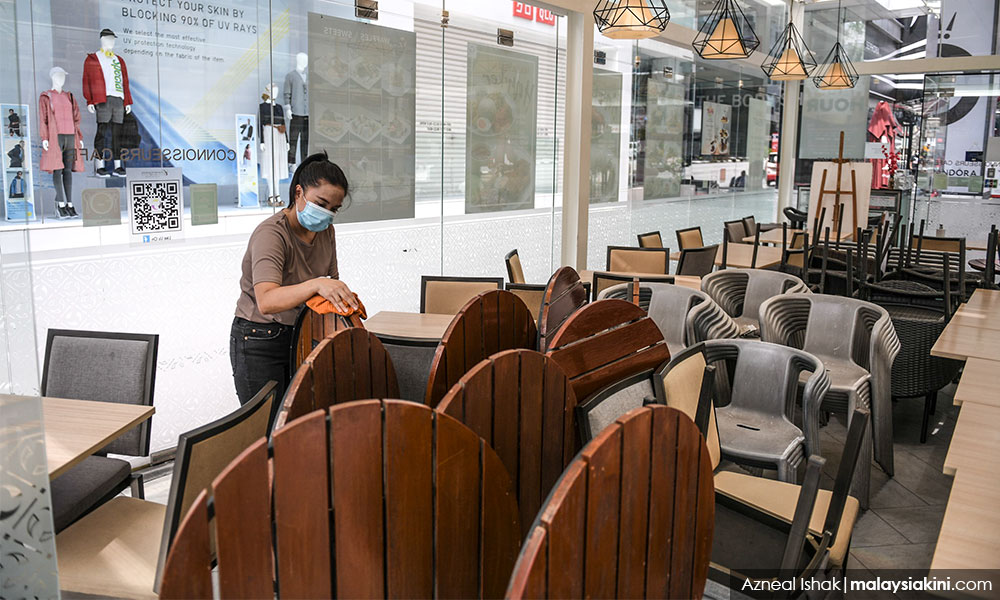
Covid-19 has certainly disrupted human activities and international relations. Nonetheless, the sheltering orders and prolonged economic pauses have also led to a cleaner environment and prompted communities, families and individuals to rethink what matters most in life and what we can forego.
If there is anything positive to learn from this public health crisis, it is that governments, and its people, have to implement a public health system that is better prepared for the worst possibility of another pandemic.
As researchers from Stanford University noted: “Getting it right could revolutionise how we think about issues as broad as greenhouse gas emissions, regional air quality, and the global economy's connection to poverty, food security, and deforestation.
"It could also help ensure an economically, socially, and environmentally sustainable recovery from the coronavirus pandemic while helping prevent future crises."
ERIC LOO is the founding editor of the academic journal Asia Pacific Media Educator.
The views expressed here are those of the author/contributor and do not necessarily represent the views of Malaysiakini.



Are you sure you want to delete this comment?
This action cannot be undone.