



COMMENT | Kluster Menteri: How politics could literally affect your health
COMMENT | There are three kinds of politicians: An ideal politician, a standard politician, and the worst politician.
The ideal politician is one who puts the public’s interest above his. For instance, a politician who is willing to go to jail for speaking up on behalf of the people.
The standard politician is one who puts both his personal interest and the public’s interest at par. For instance, a politician who pursues certain policies beneficial to the people, that coincidentally also helps his nationwide popularity rating.
The worst politicians are the ones who put their self-interest ahead of the public’s, in turn jeopardising the public by bringing more harm than good.
Sheraton Move and Sabah were two episodes that will go down in history as...
COMMENT | There are three kinds of politicians: An ideal politician, a standard politician and the worst politician.
The ideal politician is one who puts the public’s interest above his. For instance, a politician who is willing to go to jail for speaking up on behalf of the people.
The standard politician is one who puts both his personal interest and the public’s interest at par. For instance, a politician who pursues certain policies beneficial to the people, that coincidentally also helps his nationwide popularity rating.
The worst politicians are the ones who put their self-interest ahead of the public’s, in turn jeopardising the public by bringing more harm than good.
Sheraton Move and Sabah were two episodes that will go down in history as the greatest display of the worst politicians.
Sheraton Move came at the start of Covid-19
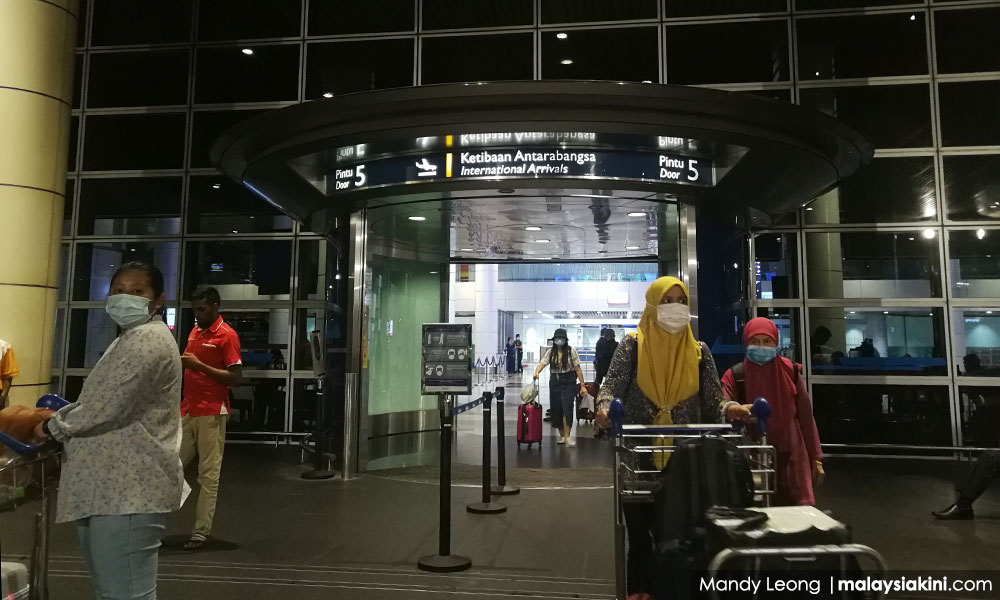
There were two waves in Covid-19’s daily cases: March and October. In both times they were two political events: Backdoor government and snap state election. In both times there were two crucial locations: Sheraton Hotel and Sabah.
It did not take long for Malaysians to start drawing the connection between political events and the spike in Covid-19 cases. Every new disease cluster must be named; the people called this Kluster Menteri.
This cluster name was developed less from accurate identification of the cause but more from a frustration against politicians who are addicted to power. Both events at Sheraton Hotel and in Sabah were forced by unscrupulous politicians. They were not helpful nor necessary; in fact, they were detrimental to our fight against this public health crisis.
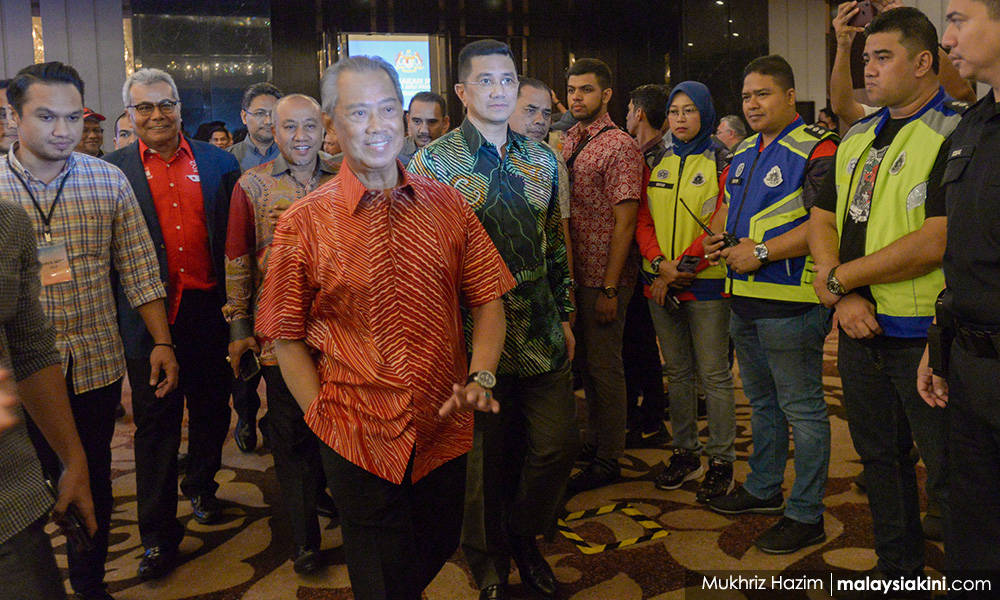
Just when the heat of Covid-19 was starting to take shape around the world, more than a hundred politicians gathered at Sheraton Hotel till the dead of night. They whispered the fall of the Pakatan Harapan government and told everyone they had the numbers to form a new government.
The process of meeting the Yang di-Pertuan Agong, proving the numbers and declaring the formation of a new Perikatan Nasional government took two weeks. In those vital weeks, the government was practically vacant. Without directives and control, the virus continued to spread among us.
When the new government finally took control, the infection rate was soaring and we had to go into several versions of lockdown. Panic ensued and our lives were forever changed.
Sabah came at the tail-end of Covid-19
And just when Covid-19 were about to close, almost a hundred politicians were shuffling in and out of dark rooms in Sabah to orchestrate the fall of the Sabah state government. After Kedah, Perak, Malacca and Johor, the faction led by the mastermind Musa Aman figured that this is Sabah’s time.
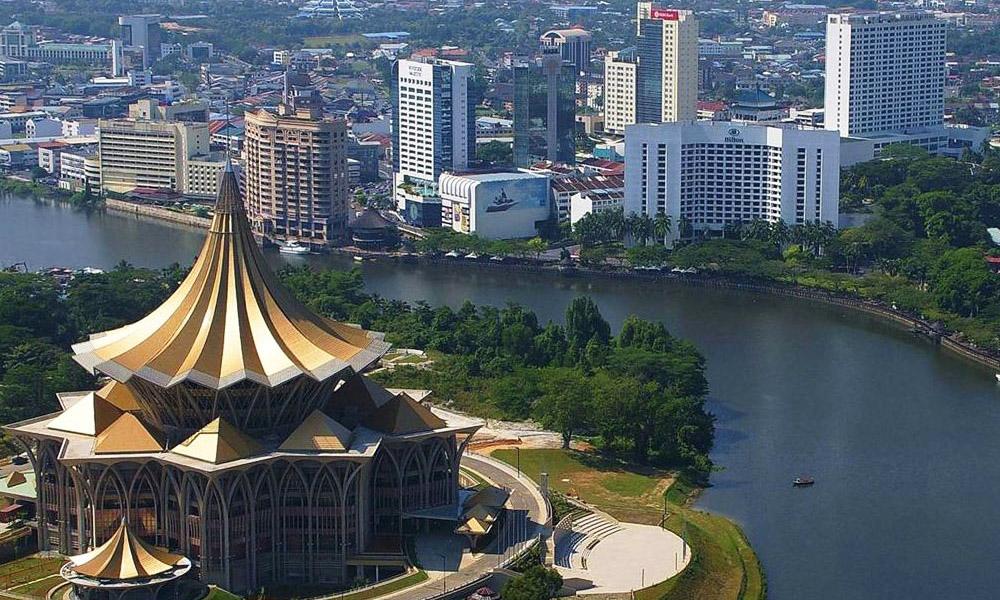
Sabah’s chief minister, Shafie Apdal, was able to rush to the palace at the eleventh hour and pull the brakes on Musa’s treacherous plans. He obtained the approval by the palace to have a snap election. He held this letter up for all to see.
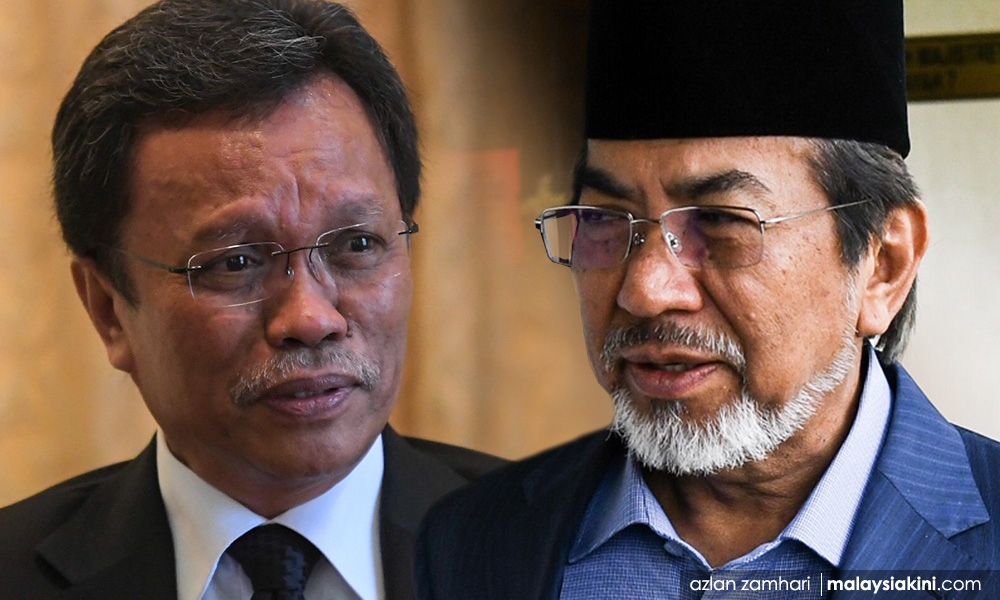
The closer an election contest, the more vicious the fight. Shafie’s coalition had to fight tooth and nail to defend its government and their dignity; the opposition led by Bung Moktar Radin had to fight with all resources they had to taste the sweet victory of power.
Campaigns were organised en masse, help flew in from Peninsular, and politicians were willing to do everything they could to secure a victory. With and without masks, grassroots members of each coalition put up tents, passed out leaflets and stood shoulder-to-shoulder for many speeches and much saliva.
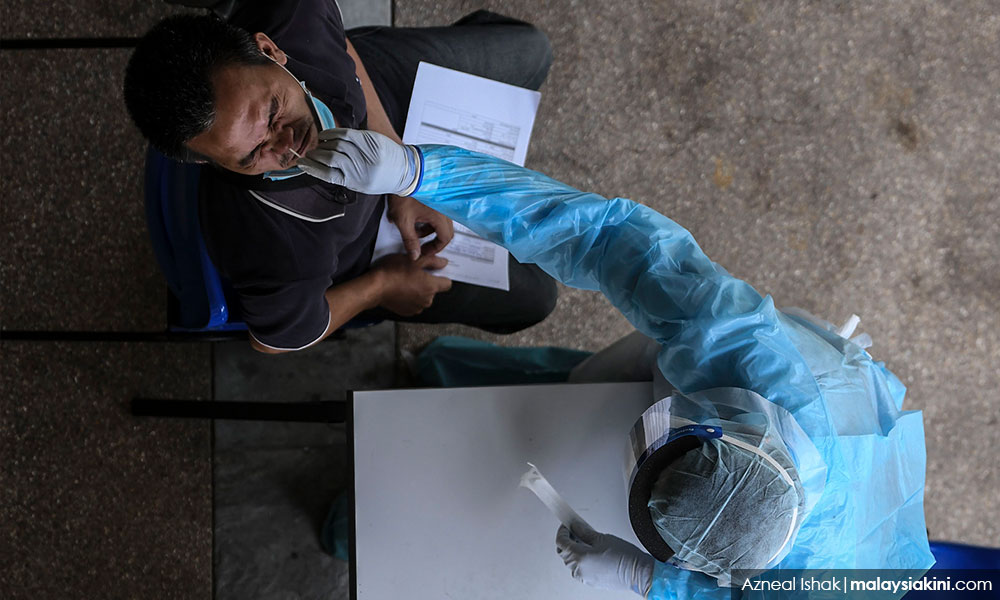
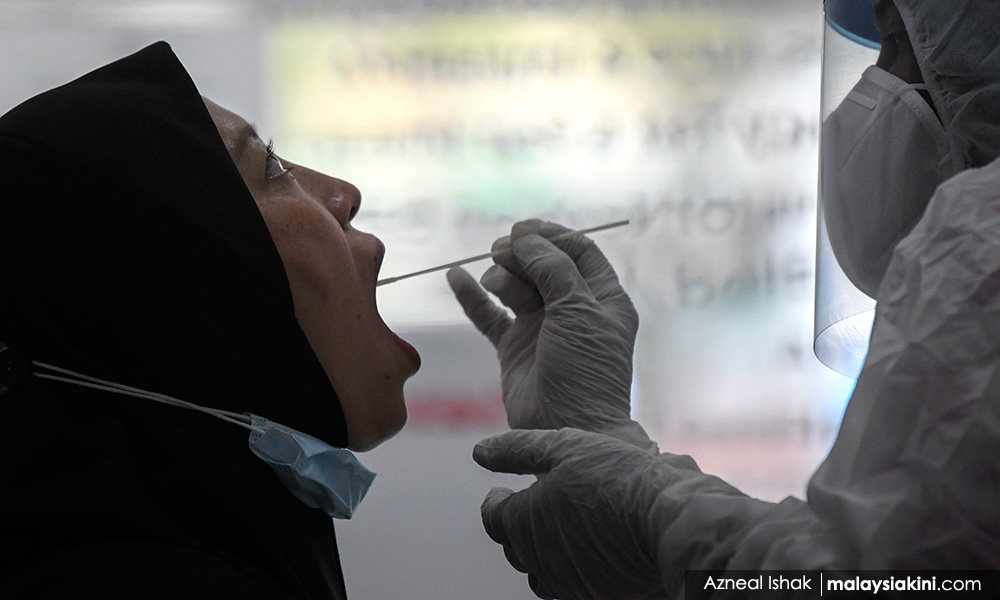
As soon as the state election was concluded, we started registering higher and higher daily infection cases, mainly from Sabah clusters. People returning from Sabah were the most suspicious.
Politicians who went to Sabah for campaigning reported their positive results. Now a deputy minister is tested positive; many more are being tested and five ministers have been quarantined.
Defence Minister Ismail Sabri Yaakob appeared defensive on this subject. Responding to the public’s critiques of politicians causing the new spike in cases, he said this was not entirely accurate.
Ismail claimed that politicians returning from Sabah were only a small portion of the total returnees, with the other groups being tourists and businesspeople. To him, therefore, we could not assign the blame on politicians.
Political crisis caused a health crisis
But this is open to challenge. Even if we claim that the state election was not a direct cause to the spike in cases, there were certainly elements of it being an indirect or contributory cause.
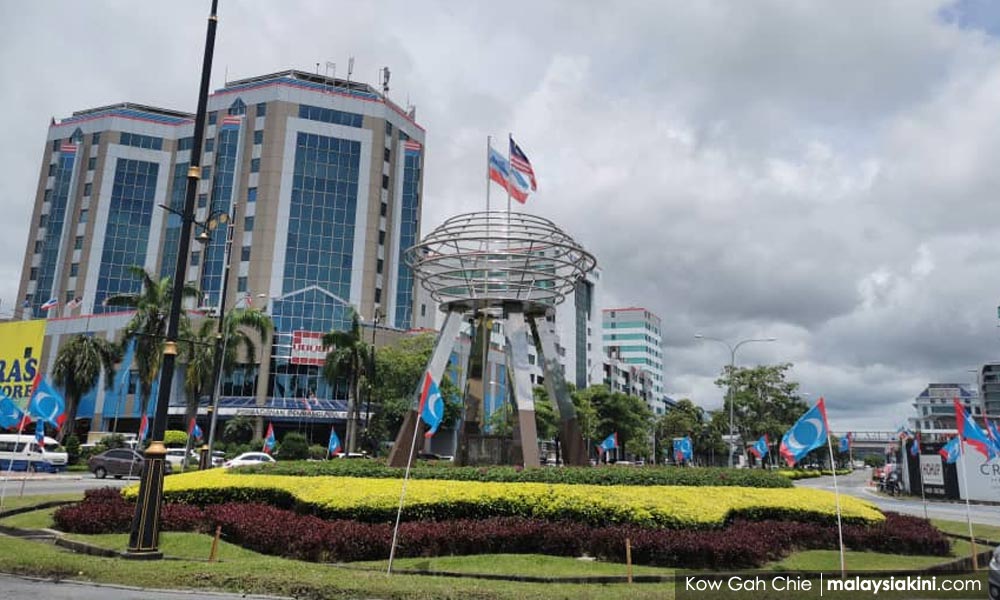
During that period, there was no other major event that required the huge mobilisation of a huge group of people making huge travels. Photos reveal to us that politicians do not always observe health guidelines of wearing a mask or social distancing during campaigns.
All they care about is winning.
Therefore, if there was no other major event of similar scale that could be treated as a comparative, then the state election definitely had a hand. What more when this event was forced by pure human greed for power rather than anything natural, ordained or inevitable.
But even if we assume the public’s causal analysis was flawed, the question that is worth exploring is responsibility. A politician’s responsibility is always a battle between their self-interest for power and the public’s interest. In this case, the public’s interest is health and well-being.
Any discussion of a state-wide election or a coup to destabilise the government at a time of grave public health emergency is absurd. But nothing is more absurd than continuing to vote in politicians who put your interest behind theirs.
JAMES CHAI is a legal consultant and researcher working for Invoke, among others. He also blogs at jameschai.com.my. You may reach him at jameschai.mpuk@gmail.com.
The views expressed here are those of the author/contributor and do not necessarily represent the views of Malaysiakini.


Report this comment
Are you sure you want to delete this comment?
This action cannot be undone.