



MP SPEAKS | S'gor Covid-19 task force advocates robust best practices
MP SPEAKS | After quite a respite, the country has been rudely awakened by a sudden surge and escalation of the pandemic virus SARS-CoV-2, dubbed the third wave of Covid-19.
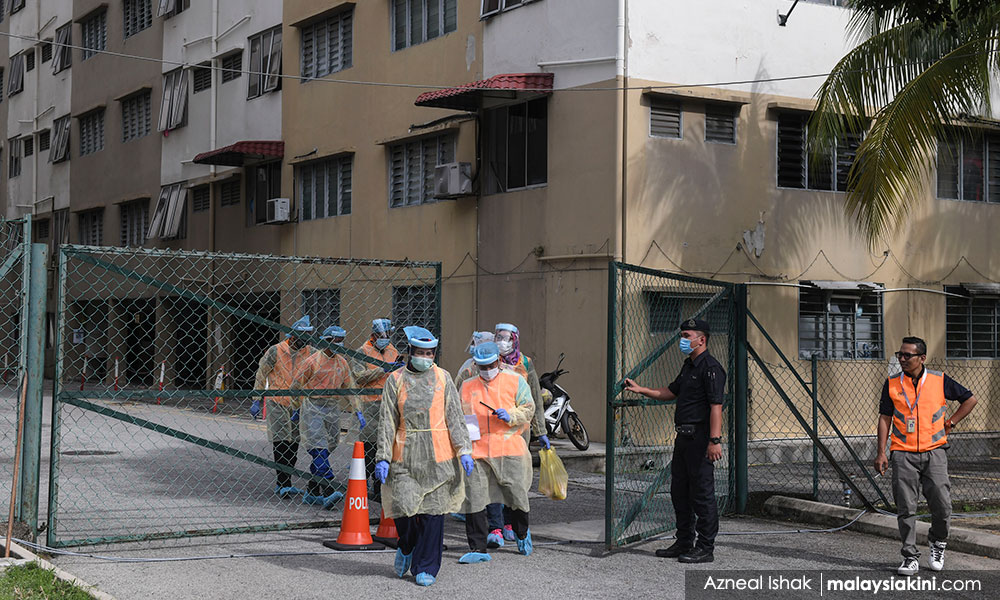
Aggravated largely by the callous mishandling of the Sabah state elections, we are now confronted with a new challenge. The federal government announced the imposition of the conditional movement control order (MCO) on four states and territories, namely Sabah, Selangor, Kuala Lumpur and Putrajaya, as the outbreak rages on.
The "respite period" during MCOs, was meant to strengthen public health departments, beefing up healthcare facilities, hospitals, clinics and health informatics, so that a subsequent outbreak can be nipped at the bud.
The Selangor Task Force Covid-19 (STFC) from its inception, has cautioned the Selangor state government and all, to be prepared for the long haul. Until a vaccine is found and herd immunity is achieved, we must never let...
MP SPEAKS | After quite a respite, the country has been rudely awakened by a sudden surge and escalation of the pandemic virus SARS-CoV-2, dubbed the third wave of Covid-19.
Aggravated largely by the callous mishandling of the Sabah state election, we are now confronted with a new challenge. The federal government announced the imposition of the conditional movement control order (CMCO) on four states and territories, namely Sabah, Selangor, Kuala Lumpur and Putrajaya, as the outbreak rages on.
The "respite period" during MCOs was meant to strengthen public health departments and beef up healthcare facilities, hospitals, clinics and health informatics so that a subsequent outbreak can be nipped at the bud.
The Selangor Task Force Covid-19 (STFC) has, from its inception, cautioned the Selangor state government and all to be prepared for the long haul. Until a vaccine is found and herd immunity is achieved, we must never let our guard down.
Fortunately, there is light at the end of the tunnel. Many Covid-19 candidate vaccines are at late-stage trials with promising results. The government has assured the public that Malaysia is committed to participating in the global Covax (Covid vaccine) initiative, which counts for more than 170 countries.
Be that as it may, given the negative impact of a partial or total lockdown on lives and livelihoods, MCOs must be exercised with restraint, a last resort of sorts. A "panic button" is only to be used when all the other public health defences have been exhausted.
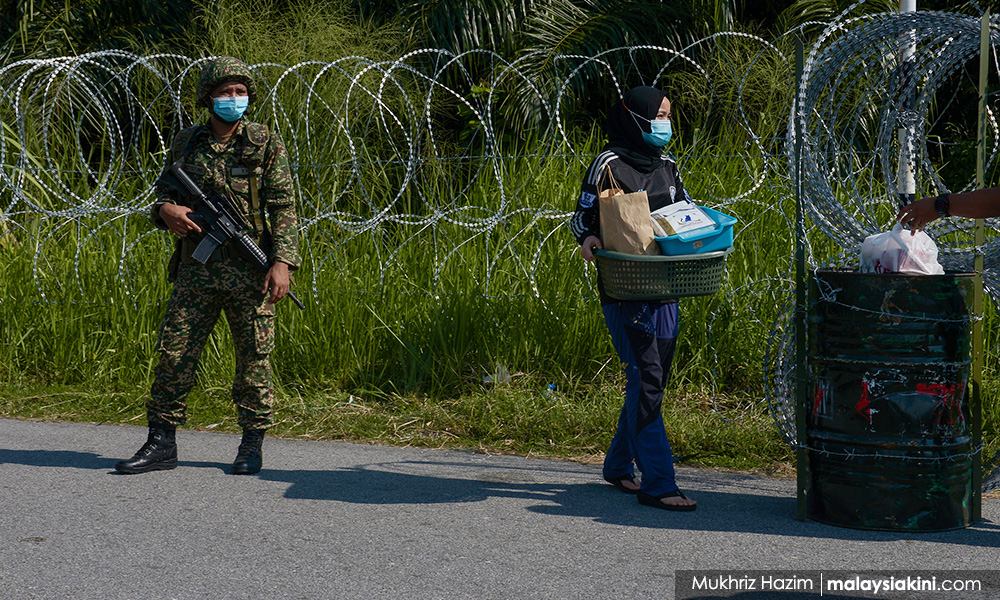
Sabah, to cite a current example, surely warrants such MCO. Sabah, with 72 percent of their hospital beds and 53 percent intensive care unit (ICU) beds occupied and 43 percent of those infected needing hospitalisations, is almost on the brink of being overwhelmed by Covid-19 cases. Sabah is undoubtedly in dire straits, demanding a "whole of society" - public, private and NGOs' mobilisation.
While STFC understands the need to impose the MCO in Sabah, we are concerned that the containment and mitigating measures in other states, particularly Selangor, must be appropriate and measured.
At the moment, cases in Selangor are localised to the districts of Klang, Petaling, Gombak and Hulu Langat. If the disease growth trend is exponential at the district level, targeted containment should be put in place at the affected district levels.
Hence, the abrupt implementation of the CMCO to contain community spread, with such urgency that consultation with the state government was not properly conducted, was much regretted.
Selangor, namely the Klang Valley, is admittedly densely populated and congested, while economically robust and vibrant. Hence, Malaysia’s Covid-19 strategy must be informed by and adapted to the local context, with the use of evidence-based measures, not blunt lockdown tools.
Specifically, conditional MCO alone, without the deployment of smarter contact tracing and "large-scale data-driven testing" to detect cases early, may not produce the intended outcome.
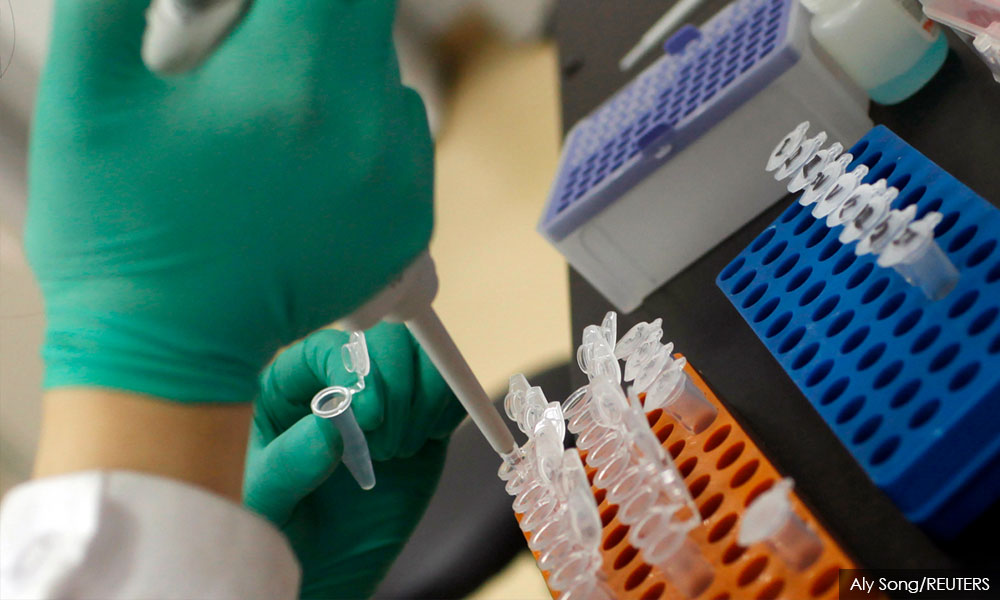
Deployment of the cheaper rapid RTK-Ag at point-of-care testing, no big labs involvement and faster turn-around time, which produce immediate results, faster isolation, rapid tracking and quicker quarantine of individuals to contain the spread, would be more robust and effective to contain the current outbreak.
Be that as it may, let us all work together to get the current outbreak in control soonest, while minimising the collateral damage to our rakyat and not stifling the economy, which has just been rebooted.
DZULKEFLY AHMAD is Kuala Selangor MP and chairperson of the Selangor Task Force for Covid-19 (STFC).
The views expressed here are those of the author/contributor and do not necessarily represent the views of Malaysiakini.




Report this comment
Are you sure you want to delete this comment?
This action cannot be undone.