


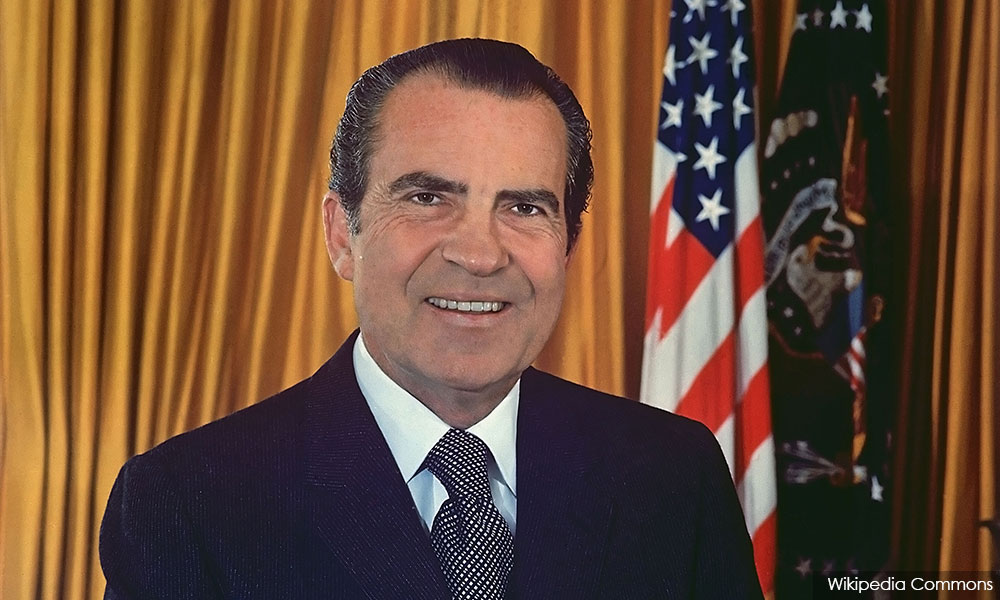

COMMENT | Nixon's war on drugs - the darker side
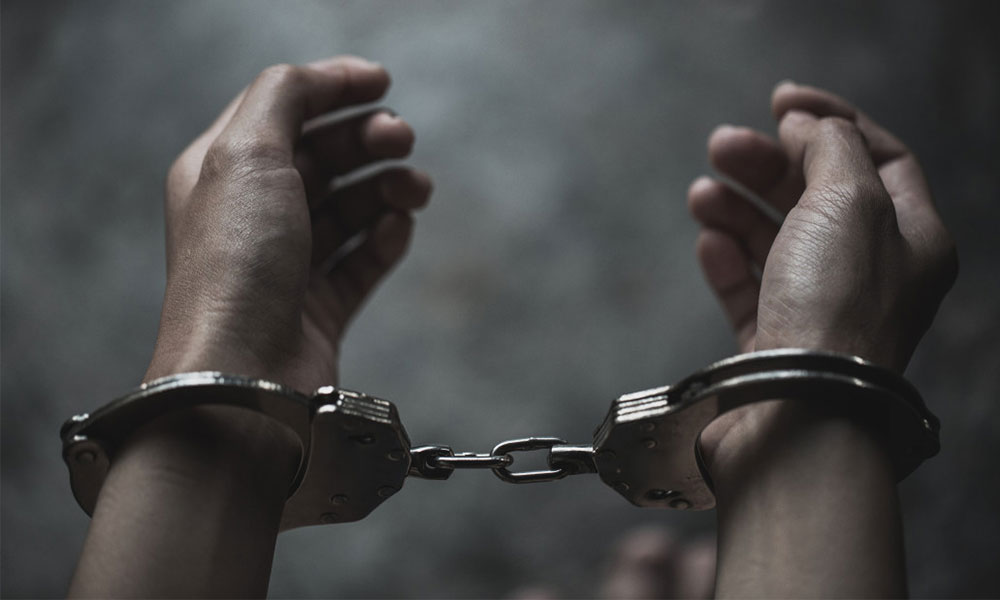
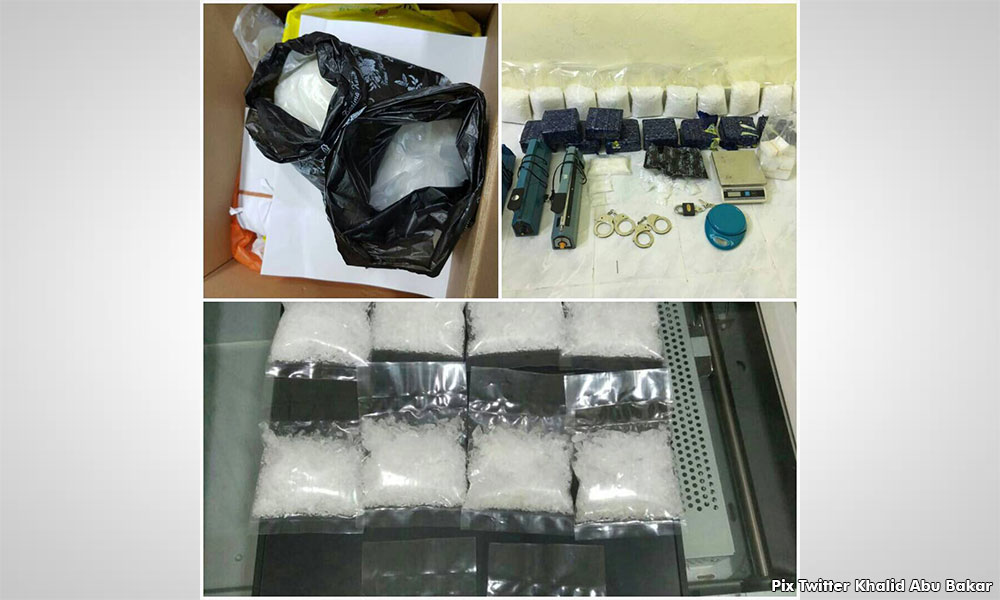
COMMENT | On Feb 11, national newswire Bernama reported: “Two friends face a death sentence after they were charged at the Magistrates Court with distributing 150.15kg of ganja on Feb 1.
“According to the charge sheet, they are accused of doing so with another friend, who is still at large, Amnat Ratsamee, in a house in Kampung Batu Bertangkup, Jalan Kilang Gula, in the Padang Besar district, at about 7.50am.
“They were charged under Section 39B(1)(a) of the Dangerous Drugs Act 1952 and can be charged with Section 39B (2) of the same act, read with Section 34 of the Penal Code.”
In my earlier article, I asked readers to consider and understand the links between a beer company owned by the family of the Queen of England with the Dangerous Drugs Act 1952.
In my view, it is very clear that the Dangerous Drugs Act 1952, which is against ganja and ketum, was meant to ensure the residents of Malaya at the time were encouraged to drink beer instead.
Ganja can be grown in your backyard. Ketum can be cultivated next to the paddy field. These plants which grow in Malaya had the potential to kill the beer market in this colony.
In Malaya, the Queen had introduced something called the free market. The free market is just a nicer way to call capitalism. The free market is promoted as a system that allows buyers and consumers to freely choose what to buy, use and consume.
But in the case of the beer business, there was no free market. When ketum and ganja were banned, beer sales were then indirectly imposed on the colony. Do you see what I'm talking about?
In my view, through colonial law and the use of force, only products of the Queen’s companies were allowed into the market. Native plants which are grown in our own land are banned, deemed dangerous and labelled as poisons.
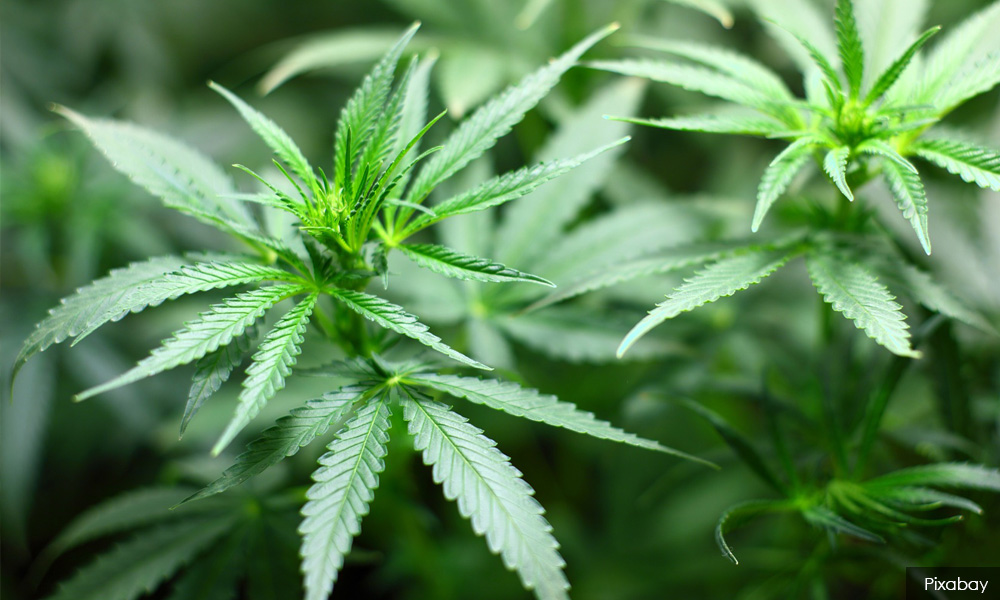
The narrative sold was that the Queen’s government is kind and is only safeguarding its colonial subjects' health. Apparently, the British colonial masters want to see natives live healthy lives and avoid the poison that is ketum. Podah! These are all fallacies.
Don’t believe me? The proof lies in...
COMMENT | On Feb 11, national newswire Bernama reported: “Two friends face a death sentence after they were charged at the Magistrate's Court with distributing 150.15kg of ganja on Feb 1.
“According to the charge sheet, they are accused of doing so with another friend, who is still at large, Amnat Ratsamee, in a house in Kampung Batu Bertangkup, Jalan Kilang Gula, in the Padang Besar district, at about 7.50am.
“They were charged under Section 39B(1)(a) of the Dangerous Drugs Act 1952 and can be charged with Section 39B (2) of the same act, read with Section 34 of the Penal Code.”
In my earlier article, I asked readers to consider and understand the links between a beer company owned by the family of the Queen of England and the Dangerous Drugs Act 1952.
In my view, it is very clear that the Dangerous Drugs Act 1952, which is against ganja and ketum, was meant to ensure the residents of Malaya at the time were encouraged to drink beer instead.
Ganja can be grown in your backyard. Ketum can be cultivated next to the paddy field. These plants which grow in Malaya had the potential to kill the beer market in this colony.
In Malaya, the Queen had introduced something called the free market. The free market is just a nicer way to call capitalism. The free market is promoted as a system that allows buyers and consumers to freely choose what to buy, use and consume.
But in the case of the beer business, there was no free market. When ketum and ganja were banned, beer sales were then indirectly imposed on the colony. Do you see what I'm talking about?
In my view, through colonial law and the use of force, only products of the Queen’s companies were allowed into the market. Native plants which are grown in our own land are banned, deemed dangerous and labelled as poisons.
The narrative sold was that the Queen’s government is kind and is only safeguarding its colonial subjects' health. Apparently, the British colonial masters want to see natives live healthy lives and avoid the poison that is ketum. Podah! These are all fallacies.
Don’t believe me? The proof lies in the story of the East Indian Company (EIA), endorsed by the British monarch. The EIC arrived in Bengal, India in 1773. In India, this company endorsed by the Queen chanced upon a product called opium.
Good product, free market
Wow! After some sniffing and inhaling, it was then proven how good this opium was. In fact, it was a great product for the free market.
The EIC then took this excellent product to China. Opium was bartered for hard currency. And it is with this opium-derived cash that the British monarch-endorsed EIC bought tea, pottery and silk from China to trade in Europe.
England became rich. London grew.
Thanks to the opium trade, many in China became useless addicts. This angered the Chinese emperor and the ports were closed to ships from England bearing opium. War broke out. This was the Opium War of 1839-1842.
China lost that war and signed the Treaty of Nanking in 1842. Chinese ports like Shanghai and Canton were forced to open to allow ships from England bearing opium.
The opium trade was especially fruitful for William Jardine (1784 - 1843) who formed Jardine, Matheson and Co. As trade grew, opium dealers needed a place to bank in their proceeds - this was how the Hong Kong Shanghai Bank (HSBC) came to be.
It’s impossible for you to not know Jardine and HSBC. These are giant corporations today. Do you now see the role of opium in extracting power as employed by the British colonials? It’s crystal clear to me.
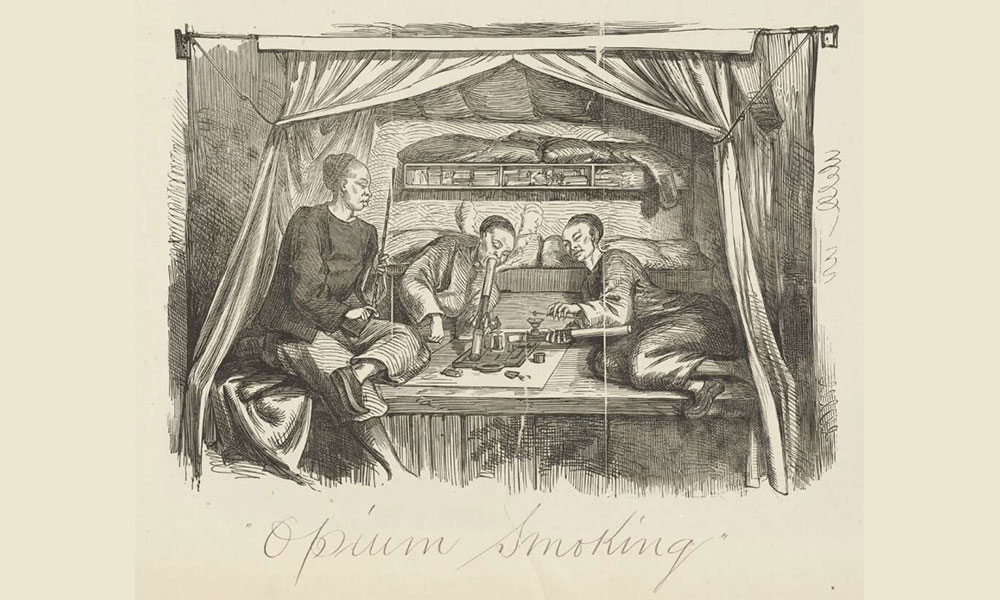
Opium from India was used as an economic force to build an empire. It gave the colonials the resources to build their naval and military strength. The British colonised 53 countries in the world - they’re now known as the Commonwealth. Behind this is the power of opium.
I must at this juncture also state that William Jardine was not a greenhorn. Besides being an opium dealer, he was also a "YB" - a parliamentarian in the British government.
Hah! So it is not strange that the colonial government could impose whatever law it wanted such as the Poisons Act in India. Opium was not considered dangerous or poisonous. Nor was ganja which grew wild in India. Why? Because the opium and ganja trade was controlled by the colonial masters.
In India, the British colonial government operated the opium dens. This is not a tall tale by a storyteller called Hishamuddin Rais. This is historical fact.
The new goon in town
The story of opium, ganja and ketum does not stop there. It continues on to the time of Queen Victoria until the 1960s and 1970s.
Before World War II, almost all of Southeast Asia and Asian territories were held by colonial masters - the Dutch, British and French.
Vietnam was colonised by the French and the Vietnamese rose to oust their coloniser. Their war for liberation started in 1946 and lasted until 1954. When the French lost, Vietnam was split into two - North Vietnam and South Vietnam.
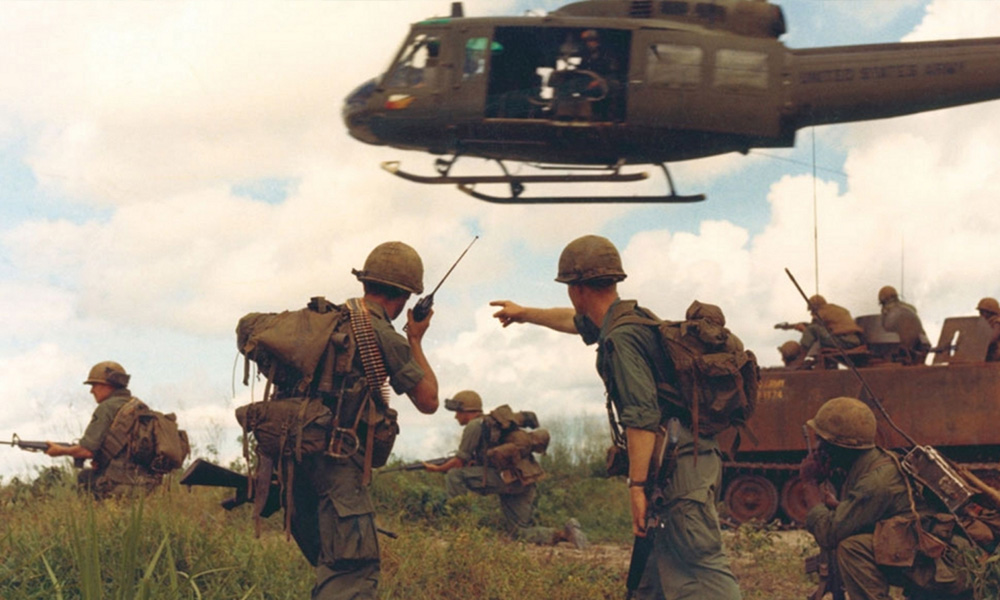
The United States of America, a new power emerging after World War II, wanted to flex its muscles. It intervened and sided with South Vietnam. The Vietnam War continued under president Richard Nixon and went on from 1955 to 1974.
The US sent hundreds of thousands of soldiers to Vietnam. Young Americans were conscripted into the army. At the same time, the US anti-war movement started spreading. Young people and students were at the forefront of this. They opposed the drafting system which forced young men to become soldiers.
The young people of America did not want to die in a far-off war. They opposed the draft. The anti-war sentiments were accelerated by the civil rights movement by black Americans who had been fighting for their fundamental rights since 1954.
Two groups - the black civil rights movement activists and white students - started to work together. They opposed the Vietnam War. It created a lot of tension in the US and threatened Nixon's "Vietnam War Project".
So what did Nixon do?
On June 18, 1971, he launched the "War on Drugs". Nixon saw drugs as the US’ main enemy which must be defeated whatever the cost. Cocaine from Colombia and opium from the Golden Triangle (Laos, Burma and Thailand) must be defeated.
But what was the main motive behind Nixon’s war on drugs? Clearly, it was a distraction strategy, to move attention away from the Vietnam War which was being increasingly opposed by the American public and the world.
Like any war, the war on drugs needed weapons. This was a boon for the arms dealers - the military complex. They not only had the Vietnam War but now the war on drugs had arrived. Their factories were running 24-7.
What a kindhearted person this Nixon was. If the Queen and the governor of Malaya approved the Poisons Act 1952 to safeguard the health of the subjects, Nixon was far more magnanimous.
He wanted the entire world to be safe from the poison of dangerous drugs. He fought against drugs around the world. Wasn’t Nixon such a great president?
Nixon fought the blacks
Bro, read things carefully. Nixon’s war on drugs project had other ulterior motives. One of them was to bring down the civil rights movement which was becoming more organised, bold and which had started their own armed group - the Black Panther.
The Black Panther radicalised not only young blacks but white youths were influenced, too. So at the time, there was the youth movement against the Vietnam war and the black movement and this was shifting American politics out of its two-party system of Democrats and Republicans.
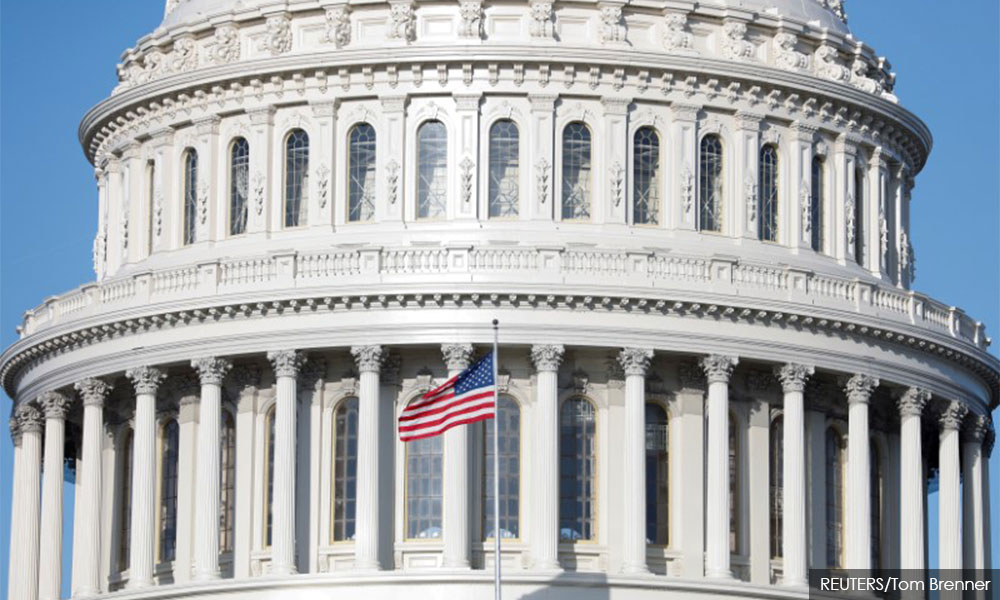
Bro, Nixon knew that if this continued, American imperial power overseas would also be opposed.
In the 1960s, at the time of the Vietnam War and the era of rock and roll and the Woodstock festival, smoking ganja was common among young people, students, artists and intellectuals. Ganja was smoked without restrictions.
Nixon, through the war on drugs, made ganja a public enemy. Once it was declared a dangerous drug, the activists, students, artists and intellectuals who consumed it became criminals. Owning ganja was considered a crime.
Nixon’s main targets were young people and the black community. Black people, especially, must be stopped. So ganja was distributed everywhere for them to use.
What’s the logic?
Behind Nixon’s war on drugs was a darker side project. Behind this was an even bigger drug dealer. Bigger than Jardine, Matheson & Co. Bigger than Queen Victoria. Far bigger than the EIC.
In the 1970s, the drug dealership reins shifted from colonial British to imperial America. What? The US are drug dealers? Impossible - surely the Central Intelligence Agency would get a whiff of that?
Bro, if you want to know who this new drug dealer is, wait for my next article.
Yesterday: Colonial roots in law against ganja and ketum
HISHAMUDDIN RAIS is a political activist, writer and film director. The above article was translated into English from the original which can be accessed here.
The views expressed here are those of the author/contributor and do not necessarily represent the views of Malaysiakini.

/file/publisher-c1a3f893382d2b2f8a9aa22a654d9c97/2020/01/b6e972e8afbaa7b8bbe42f2378a5b330.jpg)


Are you sure you want to delete this comment?
This action cannot be undone.