



COMMENT | Injecting humanity into addiction treatment
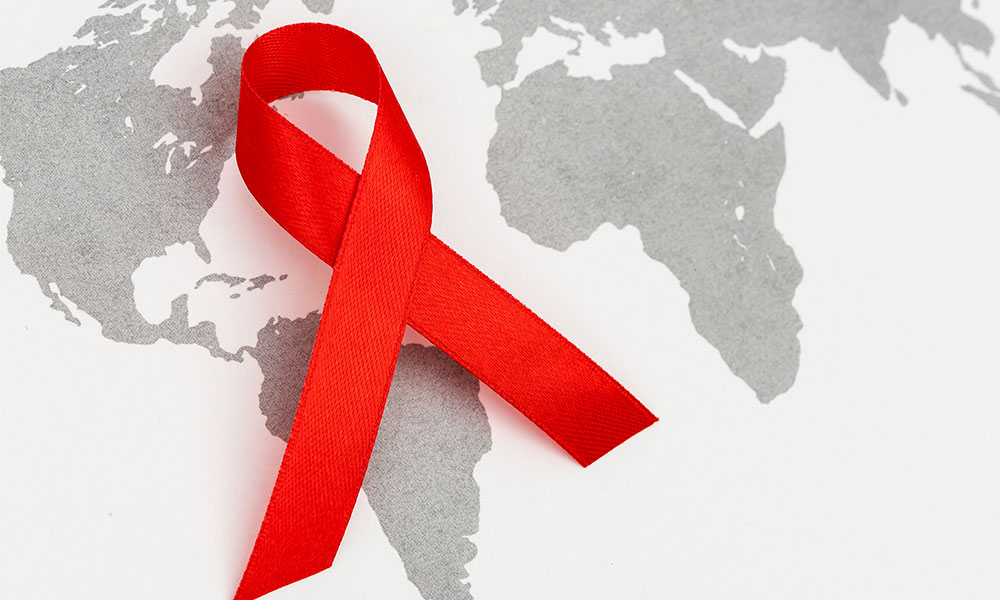
COMMENT | "Drug overdose is the worst, but a failure in drug policy is a nightmare." These are the sobering word of Johan (not his real name), a former drug addict who suffers from HIV and Hepatitis C.
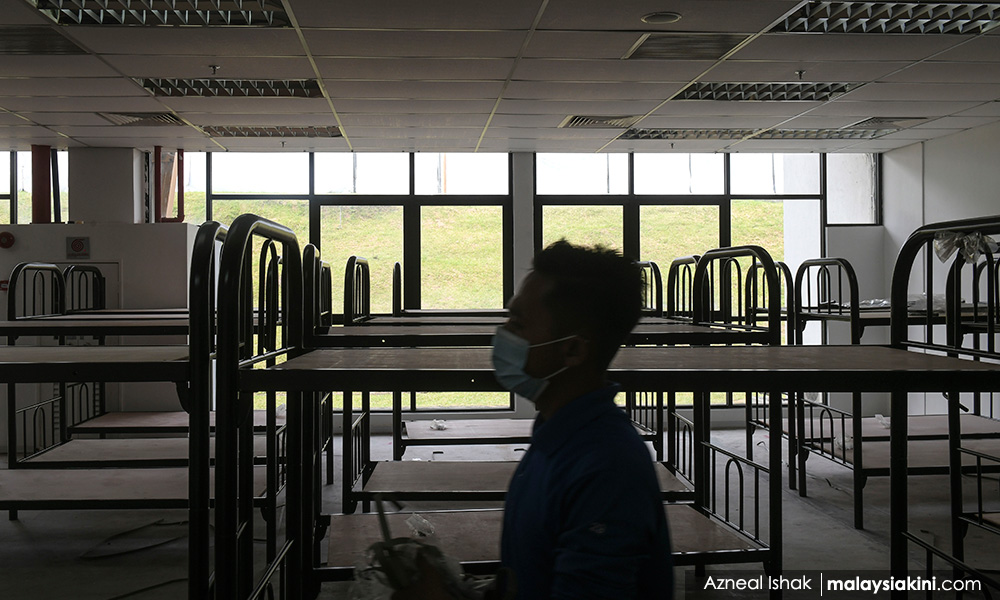
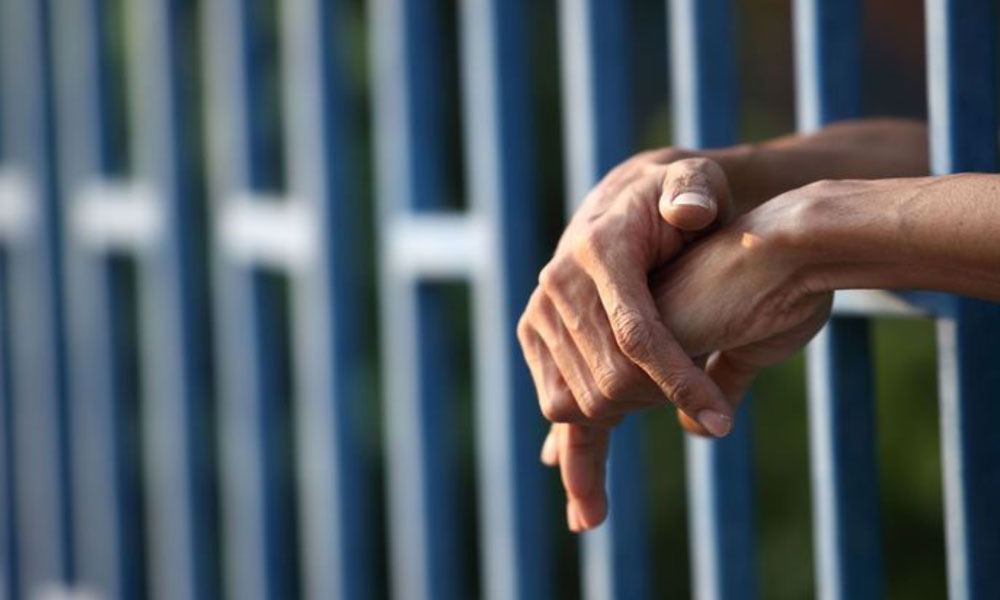
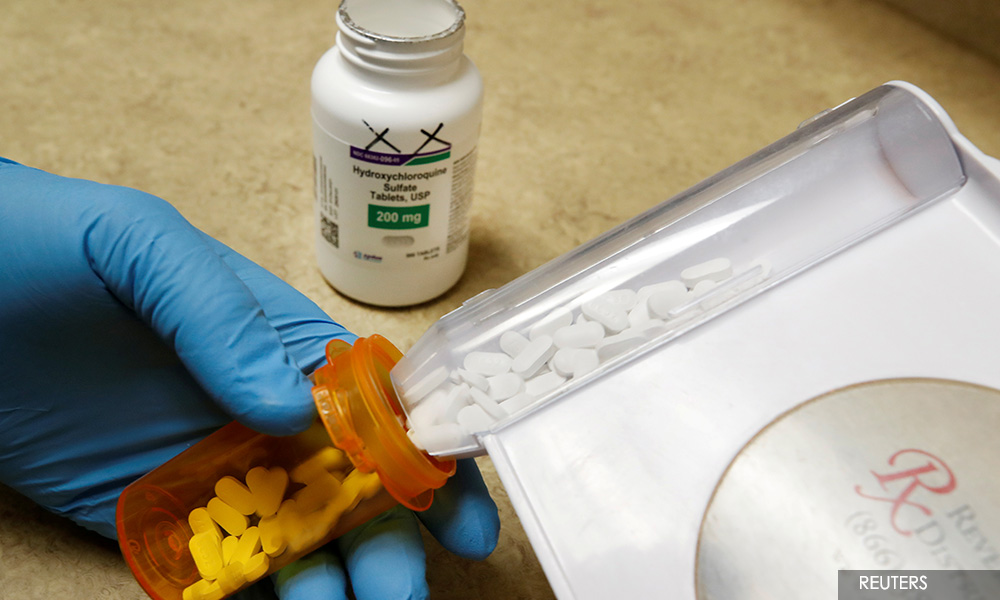
Johan does not know how long he has left to live, yet he remains one of the lucky ones. Despite his struggle to overcome addiction, he has evaded the long arm of the law. However, countless drug users in Malaysia are not as fortunate. They end up in jail, trapped, and with seemingly no route to effective rehabilitation.
Punitive drug policies have hurt many individuals globally irrespective of gender, ethnicity and background. The 'War on Drugs' has been a failure as mass incarceration to address the issue has only amplified the public health threat and together with it a host of social and medical consequences.
Johan was once your average child who loved to make friends. Unfortunately, he also came from a broken home. His father was a drunk who neglected his family’s welfare. To drown out the pain of being abandoned, Johan turned to his friendships – one, in particular, drove him towards a life of drugs and crippling addiction.
This eventually led to unprotected sex with other men and the intentional use of illicit drugs for sexual purposes – a term known as ‘chemsex’, which is popular within...
COMMENT | "Drug overdose is the worst, but a failure in drug policy is a nightmare." These are the sobering word of Johan (not his real name), a former drug addict who suffers from HIV and Hepatitis C.
Johan does not know how long he has left to live, yet he remains one of the lucky ones. Despite his struggle to overcome addiction, he has evaded the long arm of the law. However, countless drug users in Malaysia are not as fortunate. They end up in jail, trapped, and with seemingly no route to effective rehabilitation.
Punitive drug policies have hurt many individuals globally irrespective of gender, ethnicity and background. The 'War on Drugs' has been a failure as mass incarceration to address the issue has only amplified the public health threat and together with it a host of social and medical consequences.
Johan was once your average child who loved to make friends. Unfortunately, he also came from a broken home. His father was a drunk who neglected his family’s welfare. To drown out the pain of being abandoned, Johan turned to his friendships – one, in particular, drove him towards a life of drugs and crippling addiction.
This eventually led to unprotected sex with other men and the intentional use of illicit drugs for sexual purposes – a term known as ‘chemsex’, which is popular within MSM (men who have sex with other men) communities in Malaysia.
Such activity increases the risk of HIV transmission, but while current screening programmes like Post-exposure Prophylaxis (PEP) and Pre-exposure Prophylaxis (PrEP) are effective in preventing its spread, local laws against homosexual relations coupled with the stigma against this community hinder them from coming forward.
Today, Johan is recovering from his drug habit. But he empathises with the many others who are stuck in prison after getting caught for small possession of drugs. "They should ask us why we take the drug, not what drug we take. The system is broken," he laments.
In the past three decades, 60 percent of the imprisonments in Malaysia have resulted from the small possession of drugs. This has subsequently contributed to HIV and Hepatitis C infections at incarceration centres.
The issue has since worsened with the Covid-19 pandemic, as prisons have caused some of the biggest virus clusters to date.
We need to accept and realise that imprisonment does not cure addiction. The suboptimal care addicts currently receive is alarming. Correctional steps such as early release accompanied by adequate welfare support must be intensified to reintegrate them into society.
Meanwhile, harm reduction programmes such as the Needle Exchange Programme and Methadone Maintenance Therapy can significantly help in reducing HIV transmissions, improve daily routines, and enable addicts to work, engage with the community, and raise their own families.
Another aspect that needs to be addressed is that addiction should not be determined by urine testing. Instead, it should be the clinician’s responsibility to decide following careful assessment.
Drug policy reform
Imagine a scenario where a patient who’s a drug addict is found to be suffering from chronic kidney disease. Would it be better to treat him or imprison him? Putting the person in prison will only keep them further away from much-needed healthcare.
Similarly, how do you expect a loved one who is diagnosed with bipolar disorder to recover if you keep them in a room and away from others, without ensuring they receive the proper medical care? Doesn’t this sound inhumane and illegal?
It is a well-known fact that several pharmacological drugs can be the difference between life and death when administered early, together with recommended lifestyle changes. If that is the approach we take towards ordinary citizens, then why not the same treatment for addicts?
It is high time for reform in drug policy. The assessment of a clinician in determining whether a person is an addict is crucial, followed by adequate treatment and respecting the basic right to healthcare.
For this sub-community, a holistic approach is crucial in terms of promoting access to HIV prevention facilities and reducing transmission, as well as providing psychosocial support to treat their addiction.
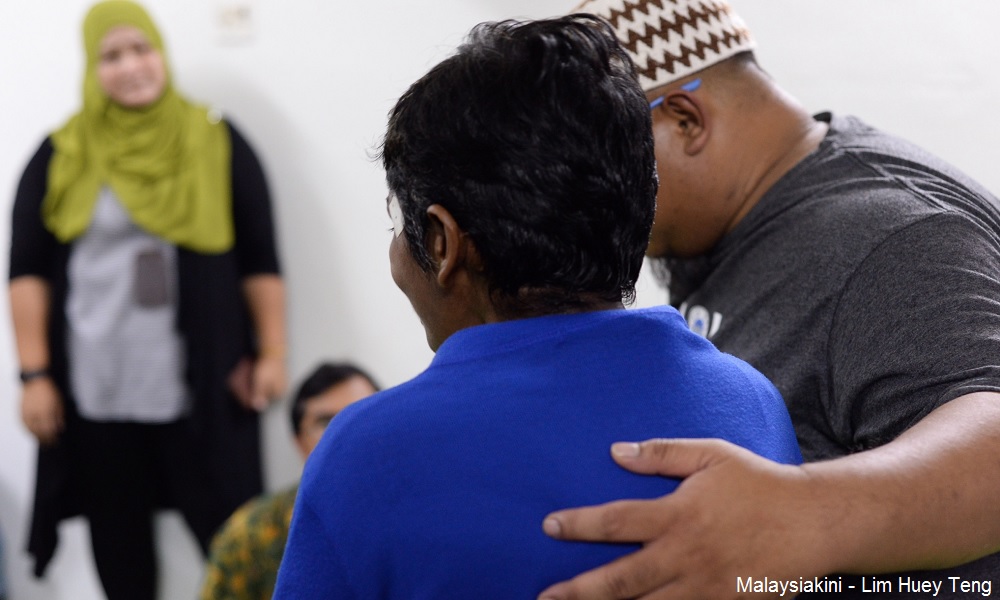
This can start by increasing awareness of existing prevention tools through social media platforms and by engaging with the community itself.
As a whole, the current system is sadly working against those who desperately seek a second chance in life, but have instead been condemned to an avoidable death sentence – if only better policies were in place to treat their addiction.
The emergence of Covid-19 clusters in detention centres and prisons is perhaps the push we need to improve healthcare facilities and emphasise rehabilitation as a lasting solution.
Ultimately, we must work towards decarceration and decriminalisation. We need to muster the courage to start talking about these topics in schools, universities, and all the way up to policy-making levels.
The younger generation should no longer choose to accept the policies we have inherited. Instead, we are capable of realising a new system that is progressive, effective and upholds cognitive liberty. It’s time to stop complaining and start rebuilding. The choice is ours to make.
AKBAR JAYA is a final year pharmacy student who believes that compassion, not punishment, is the solution to the drug problem in Malaysia. He is an advocate of HIV/Aids awareness and drug policy reform and hopes for a day when people no longer treat these topics as taboo.
The views expressed here are those of the author/contributor and do not necessarily represent the views of Malaysiakini.



Report this comment
Are you sure you want to delete this comment?
This action cannot be undone.