



COMMENT | Quitters are winners
COMMENT | In conjunction with this year’s World No Tobacco Day theme “Commit to quit”, the Consumers Association of Penang (CAP) urges:
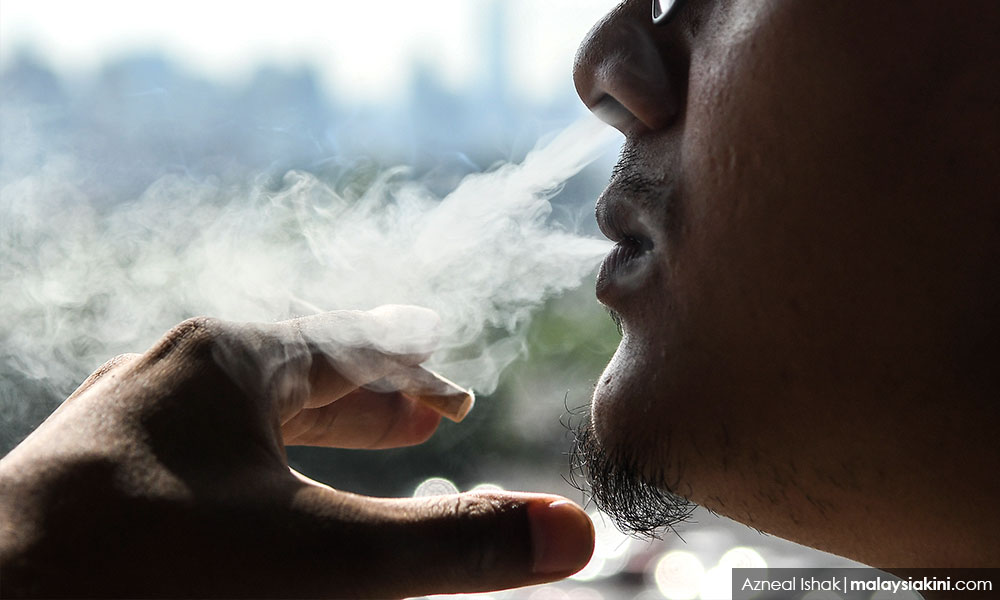
- Smokers and vapers to quit their habit, not only for the money they can save but also not to jeopardize their health. People should not let the tobacco industry use them as pawns for their business interests.
- The government should not entertain the tobacco and vape industries in policy development. For example in 2019, the tobacco industry successfully blocked a scheduled tobacco tax increase. The industry and its front groups also opposed a vaping ban in certain states to become national policy.
As recently as April 2021, the Malaysia Retail Electronic Cigarette Association (MRECA) president Adzwan Ab Manas...
COMMENT | In conjunction with this year’s World No Tobacco Day theme “Commit to quit”, the Consumers Association of Penang (CAP) urges:
- Smokers and vapers to quit their habit, not only for the money they can save but also not to jeopardise their health. People should not let the tobacco industry use them as pawns for their business interests.
- The government should not entertain the tobacco and vape industries in policy development. For example in 2019, the tobacco industry successfully blocked a scheduled tobacco tax increase. The industry and its front groups also opposed a vaping ban in certain states to become national policy.
As recently as April 2021, the Malaysia Retail Electronic Cigarette Association (MRECA) president Adzwan Ab Manas urged the government to regulate vape products and to legalise nicotine-based products.
The reason given was that Malaysia has to “keep abreast with how vape products, in particular, those containing nicotine are regulated so they can be safely consumed”. Currently, vape liquids with nicotine have been banned in Malaysia since 2015.
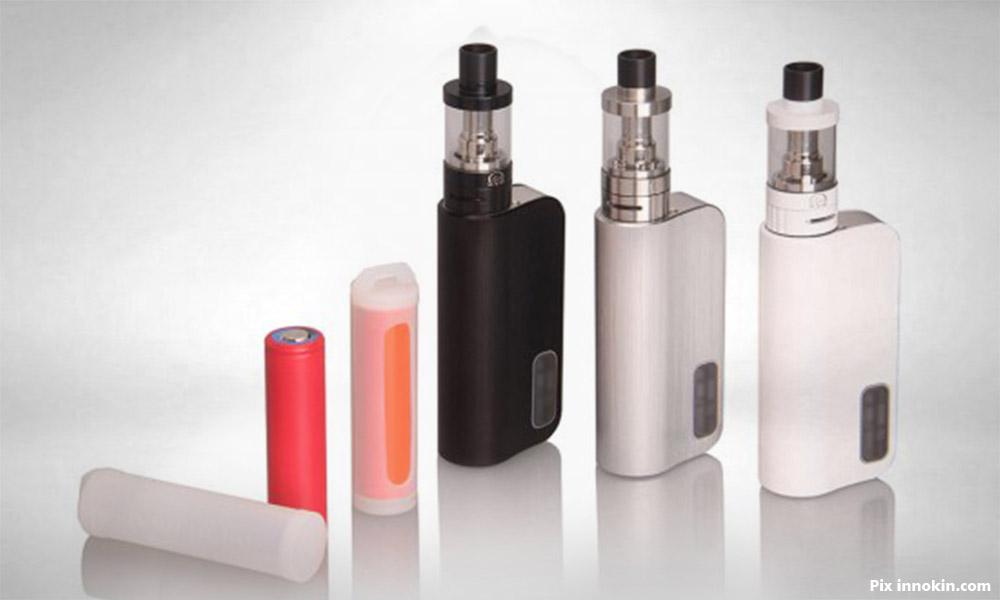
We, however, urge the government to ban all "electronic nicotine delivery systems" (Ends, or e-cigarettes) and "heated tobacco products" (HTPs).
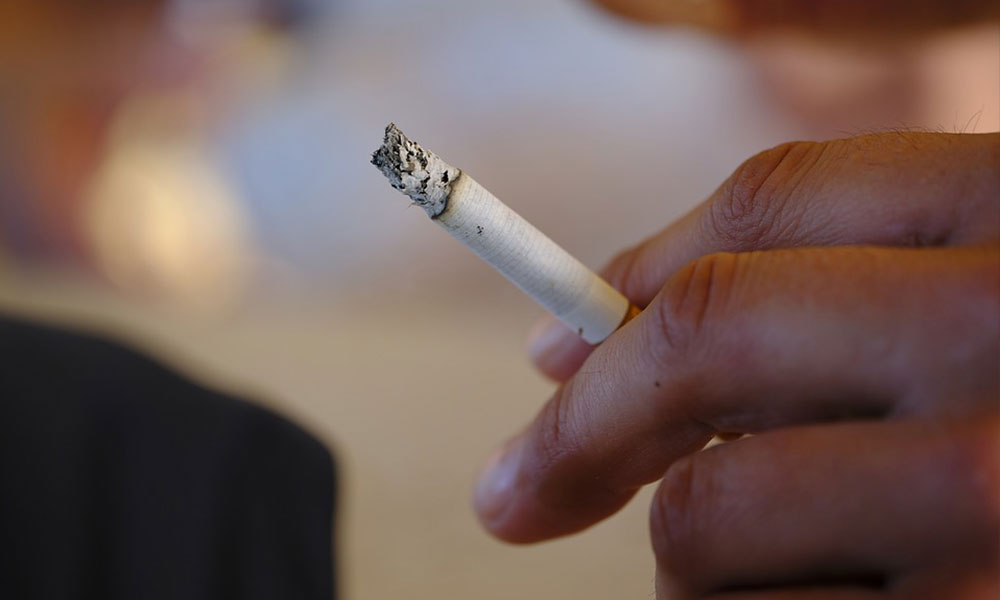
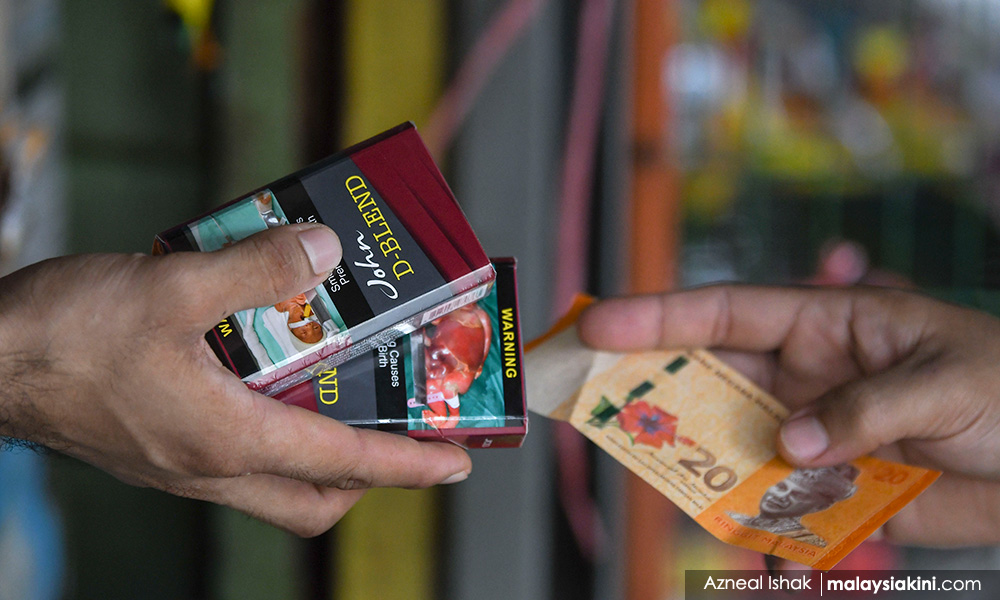
The government should at the same time strictly regulate all tobacco products (such as cigarettes, cigars, bidis, and chewing tobacco) according to the World Health Organisation (WHO)'s Framework Convention on Tobacco Control (FCTC).
Nicotine is both highly addictive and a toxic chemical. It is categorised as a Class C poison that requires a pharmacist’s prescription and studies have shown it is addictive as heroin or cocaine. This explains why smokers can experience withdrawal symptoms.
Adzwan in late 2020 dangled the prospect of gaining between RM265 million and RM300 million in tax revenue from vape tax by the government. However, he did not reveal the industry’s hidden agenda is to entice the youth into a likely life-long addiction to nicotine.
Vape juice or e-liquid (the liquid that is vaporised by the Ends device for inhalation) has never been safe as often claimed. Its main constituent is propylene glycol.
It has been argued by its proponents that it is listed as Generally Recognised As Safe (Gras). However, its pulmonary toxicity due to prolonged exposure is not known. According to the Centres for Disease Control (CDC) in the United States, “No studies of health effects in humans were found”.
Recent studies have shown e-liquid aerosol does contain carcinogens such as formaldehyde, acetaldehyde and heavy metals such as cadmium and nickel.
Research literature of e-cigarette health effects found increased chances of chronic cough, phlegm, bronchitis, and asthma diagnoses. The first study to associate Ends use to cancer was published in the Proceedings of the National Academy of Sciences on Oct 22, 2019.
In the study, researchers found that mice exposed to e-cigarette aerosol for 54 weeks developed carcinomas of the lungs and abnormal bladder cell growth.
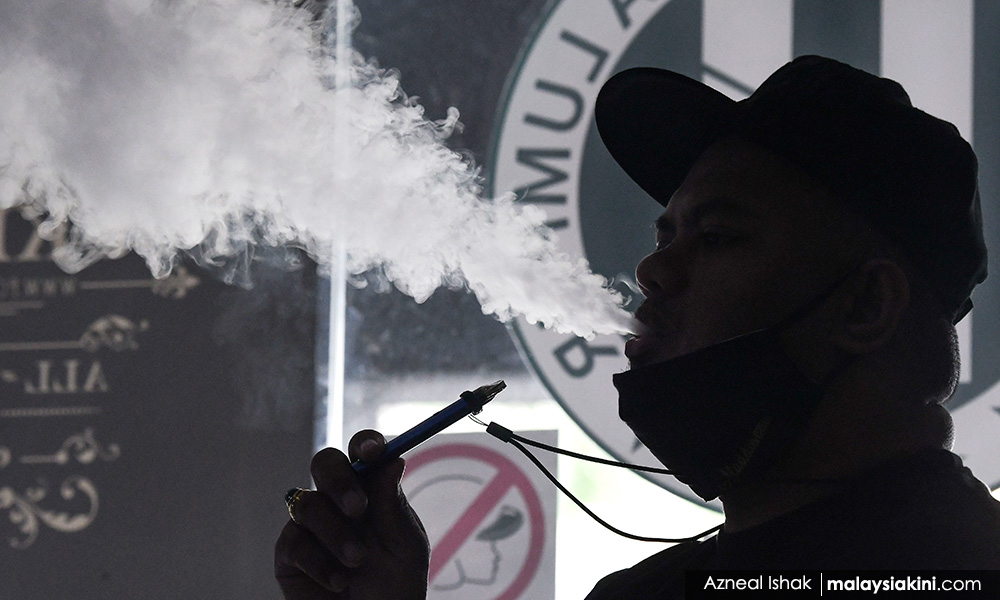
Other studies have shown that e-liquid impairs immune cell function in the lungs and this raises concern about the user’s susceptibility to bacterial and viral infections of the respiratory system. This is particularly true when smokers pull down their masks to smoke and are more likely to touch their face, increasing their risk of Covid-19 infection.
The government should know the costs of treating such non-communicable diseases (NCD) that run into billions, wiping out the measly RM300 million vape tax revenue. NCDs related to smoking and vaping are highly preventable.
It is known that many students have taken up vaping because it is easier to conceal than a packet of cigarettes from school authorities. There have also been reports of business promotion of vaping among students.
E-liquid without nicotine content is not safe either and it is a gateway for users, particularly the youths, to progress into smoking or nicotine-based Ends. The industry often disinforms by claiming that Ends is a means to quit smoking.
The government can anticipate a similar problem as smoking that the government has failed to eliminate after more than 70 years of knowing how dangerous smoking can be.
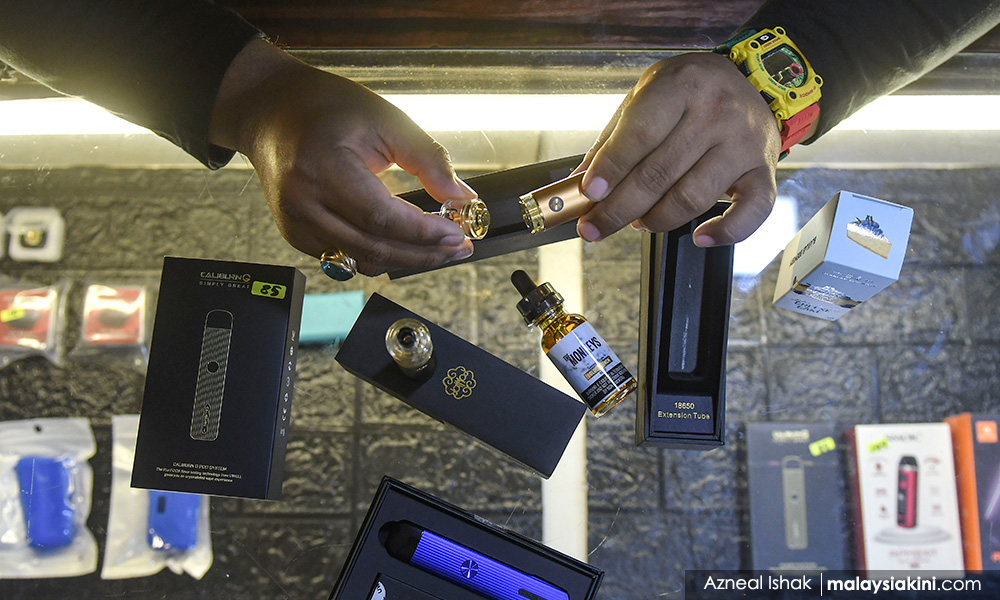
There are at least 20,000 flavours of e-liquids available in the market. Many of these can be purchased online and the government should seriously consider banning online advertisement and sale of Ends and HTPs.
MOHIDEEN ABDUL KADER is the president of the Consumers Association of Penang.
The views expressed here are those of the author/contributor and do not necessarily represent the views of Malaysiakini.


Report this comment
Are you sure you want to delete this comment?
This action cannot be undone.