



COMMENT | Consider wildlife when building roads
COMMENT | New research by the University College Sabah Foundation (UCSF) adds to the growing scientific opinion that wildlife populations in Sabah may decline if more roads are built across key habitat areas.
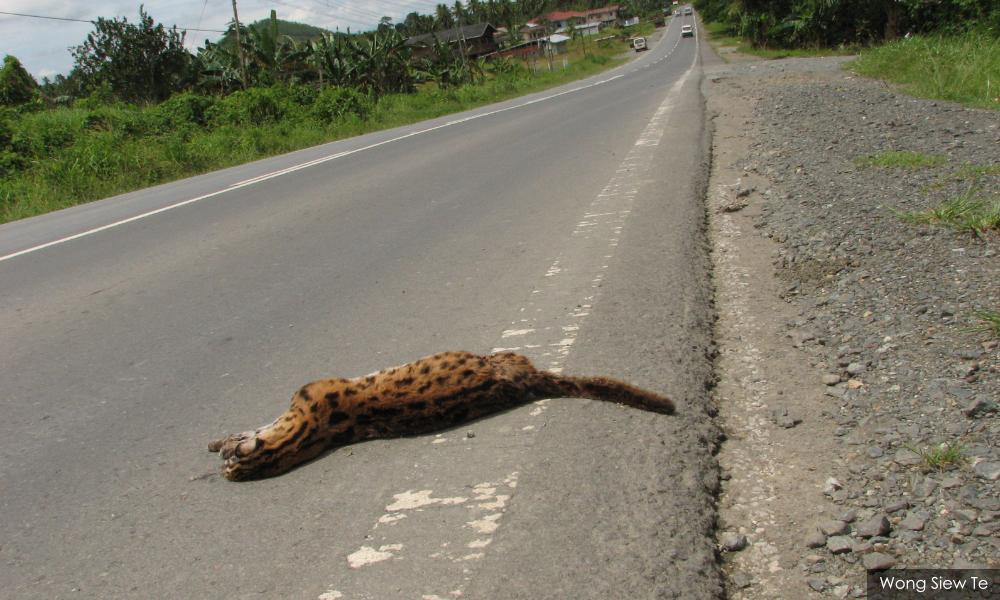
This conclusion is underpinned by the observation that existing roads are already causing significant numbers of roadkill of endangered and protected species. If more roads are constructed in or around forested areas without careful consideration for wildlife ecology, the problem could be exacerbated.
Sabah relies heavily on its natural beauty and biodiversity to support tourism, which at RM8.5 billion is the third-highest contributor to Sabah’s economy after agriculture and manufacturing. The implementation of the Heart of Borneo initiative and commitment to protecting 30 percent of the state are some of Sabah's key commitments to ensure the sustainability of the tourism industry.
To advance socio-economic development, however, Sabah needs more roads for connectivity and the Pan-Borneo Highway (PBH) is often touted as a long-awaited answer. UCSF sees the need to contribute its expertise to the road planning process and has been investigating five major traffic corridors in Sabah since September 2020 so as to understand wildlife interactions with roads.
The traffic corridors examined were Sindumin–Papar–Tuaran, Kota Belud–Kota Marudu–Kudat, Tamparuli–Telupid–Sandakan, Kinabatangan–Lahad Datu–Tawau, and Tawau–Kalabakan–Keningau–Kimanis. Currently, the Pan-Borneo Highway project has planned routes across these corridors.
The data collection process was three-pronged. First...
COMMENT | New research by the University College Sabah Foundation (UCSF) adds to the growing scientific opinion that wildlife populations in Sabah may decline if more roads are built across key habitat areas.
This conclusion is underpinned by the observation that existing roads are already causing significant numbers of roadkill of endangered and protected species. If more roads are constructed in or around forested areas without careful consideration for wildlife ecology, the problem could be exacerbated.
Sabah relies heavily on its natural beauty and biodiversity to support tourism, which at RM8.5 billion is the third-highest contributor to Sabah’s economy after agriculture and manufacturing. The implementation of the Heart of Borneo initiative and commitment to protecting 30 percent of the state are some of Sabah's key commitments to ensure the sustainability of the tourism industry.
To advance socio-economic development, however, Sabah needs more roads for connectivity and the Pan-Borneo Highway (PBH) is often touted as a long-awaited answer. UCSF sees the need to contribute its expertise to the road planning process and has been investigating five major traffic corridors in Sabah since September 2020 so as to understand wildlife interactions with roads.
The traffic corridors examined were Sindumin–Papar–Tuaran, Kota Belud–Kota Marudu–Kudat, Tamparuli–Telupid–Sandakan, Kinabatangan–Lahad Datu–Tawau, and Tawau–Kalabakan–Keningau–Kimanis. Currently, the Pan-Borneo Highway project has planned routes across these corridors.
The data collection process was three-pronged. First, field observations recorded animals killed by passing vehicles on roads through and around forest reserves, oil palm plantations, and rural residential areas in five regions of Sabah where the Pan Borneo Highway will be built. Roads surveyed included in Kinabatangan (20km of roads), Crocker Range (26km), Sook (30km), Telupid (86km), and Kalabakan (106km).
Next, an online public survey involved requesting respondents to describe the frequency of wildlife vehicular collisions (WVC) they witnessed within traffic corridors mentioned earlier.
Lastly, hashtags and search words "Sabah roadkill", "Pan-Borneo Highway", "wildlife roadkill", and "Sabah wildlife" were applied in searching for data on social media such as Facebook, Instagram, Twitter, and Google search engines.
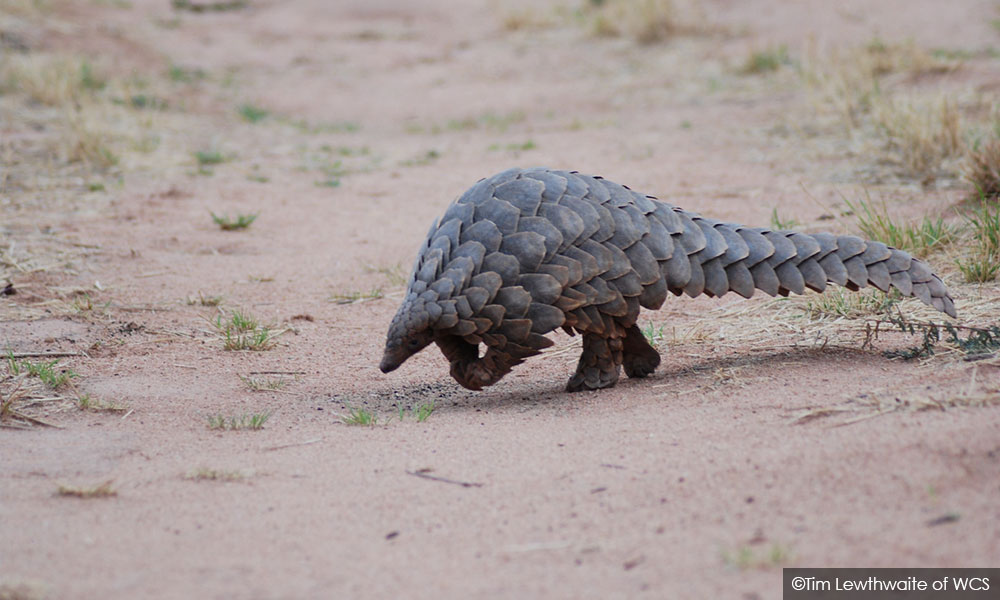
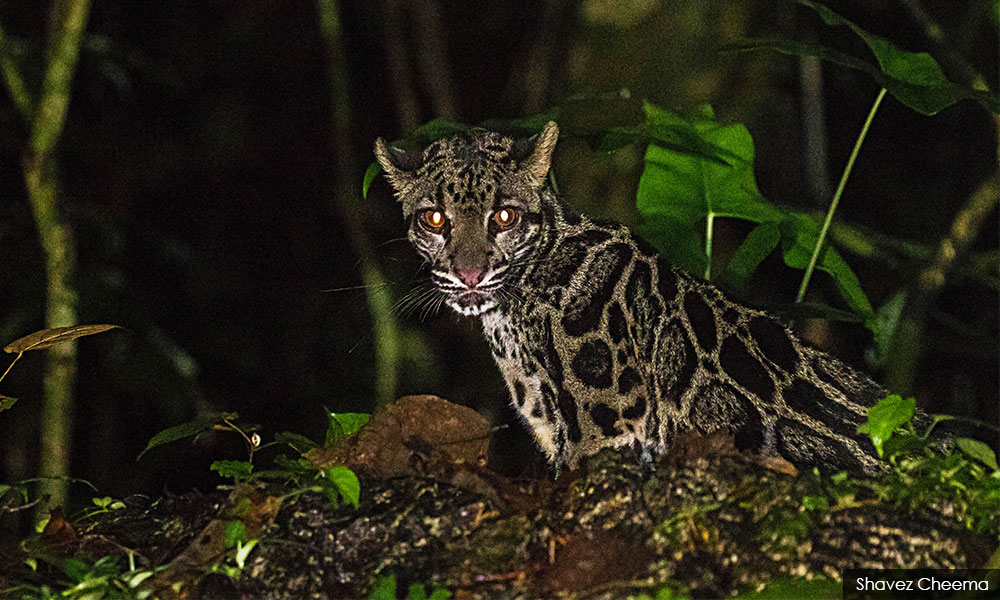
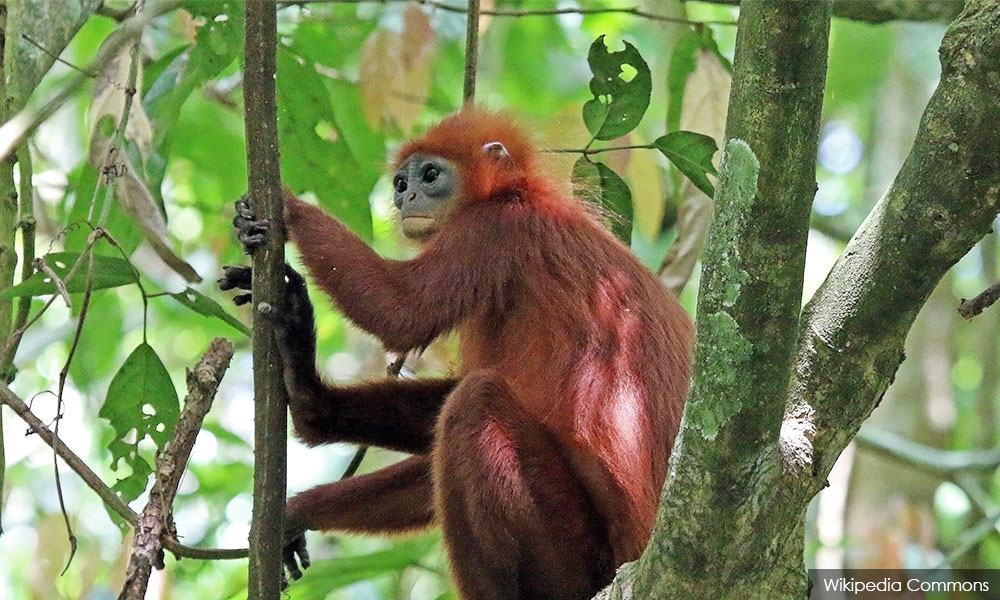
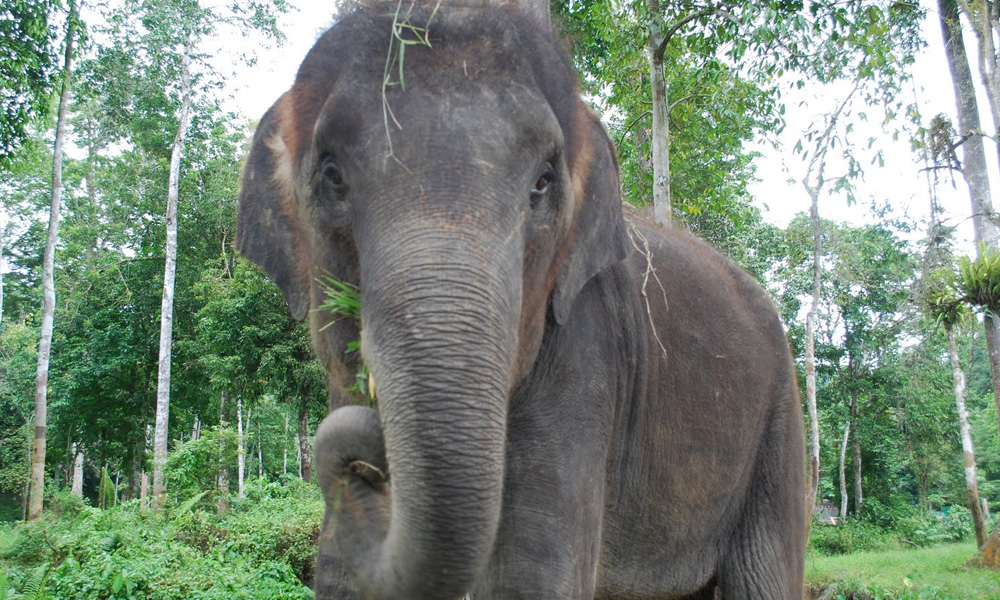
Endangered species such as elephants, pangolins, clouded leopards, proboscis monkeys, slow loris, and banteng were sighted along the sample road transects. These species are at risk of becoming roadkill, and alarmingly, human lives may be at stake if large animals such as elephants and banteng are involved in the collisions.
Endangered animal species were mostly sighted in Kinabatangan and Kalabakan regions and roadkill frequency was highest in the Kinabatangan area. Data from social media and literature supported the field observations as the deaths of similar species were reported.
Some of the largest natural habitats to be traversed by the PBH are Kinabatangan and Kalabakan which are integral to the Heart of Borneo. Thus, many endangered wildlife species, most notably nocturnal species, would be at risk on roads in and around those regions.
Not surprisingly, the road stretches built through prime habitats saw more roadkill. This reinforces the notion that building roads through or near forest reserves should be avoided.
Bearded pigs, leopard cats, and civets were frequently sighted along rural roads fringed by village houses, though roadkill in these areas mostly involved long-tailed macaques, monitor lizards, domesticated cats, and dogs.
Residents in rural areas often believe roadkill involve only domesticated cats - until they looked closer and discovered there are actually various kinds of wildcats (of which Sabah has five species).
Drivers may not be able to see small nocturnal mammals at night, therefore resulting in roadkill. Carcasses of such rare and beautiful wildcat species were found at night or early morning during the study.
UCSF researcher Regina Justinus said, “Since nocturnal animals were found to be likely killed at night, we suggest appropriate wildlife warning signs and rumble strips should be installed to control the speed of passing vehicles. Educational signage should also be installed to warn drivers and passengers not to discard food waste along the roads."
The study discovered food waste discarded along the roads by passing vehicles attracts wildlife. In Sook's sampling transect, for example, long-tailed macaques gathered along the roadsides and searched for food waste. This behaviour may be emulated by other species and poses roadkill risk.
This is the first state-wide roadkill study in Sabah. A total of 21 mammals, 10 birds, and five reptile species were identified as victims or potential victims of roadkill incidence. Their ecological behaviours and responses to roads can be used to inform the planning and designing processes of wildlife-friendly roads.
The study also calls for the application of wildlife signage, overpasses, underpasses, and canopy bridges to be explored. The structures are believed to allow wildlife to cross the roads with minimal risk of death.
In Sungai Yu, Pahang, and Aring in Terengganu, wildlife crossings have been built to mitigate roadkill risk, as is happening around the world. More studies are, however, needed to conclusively determine which types of crossing are suitable for wildlife in Sabah.
UCSF project supervisor Lawrence Alan Bansa said, “Good roads are urgently needed to drive socio-economic growth in Sabah. However, in certain regions which host high levels of biodiversity, careful road planning and design should be exercised."
LAND EMPOWERMENT ANIMALS PEOPLE (LEAP) works to increase transparency, build local conservation capacity, and develop effective and inclusive conservation partnerships and projects to protect and restore Sabah's remaining forests and wildlife populations.
The views expressed here are those of the author/contributor and do not necessarily represent the views of Malaysiakini.




Report this comment
Are you sure you want to delete this comment?
This action cannot be undone.