



COMMENT | S'wak, be prepared for the wrath of swirling waters
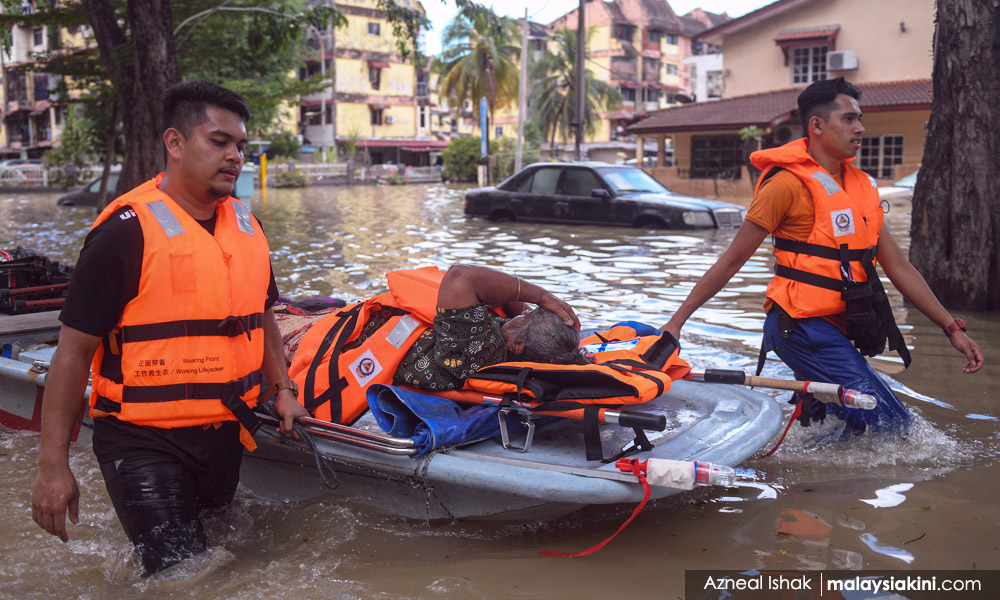
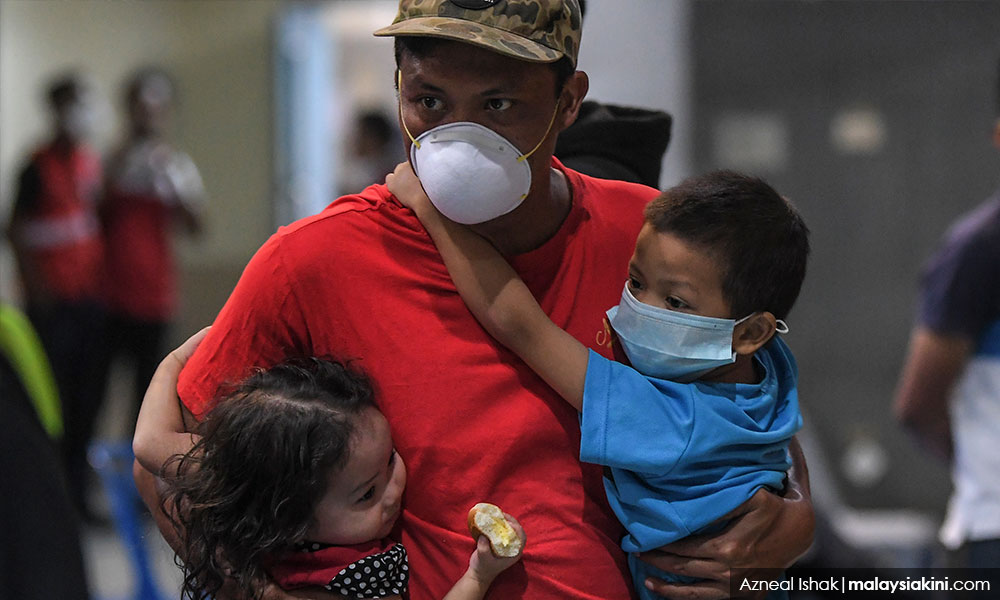
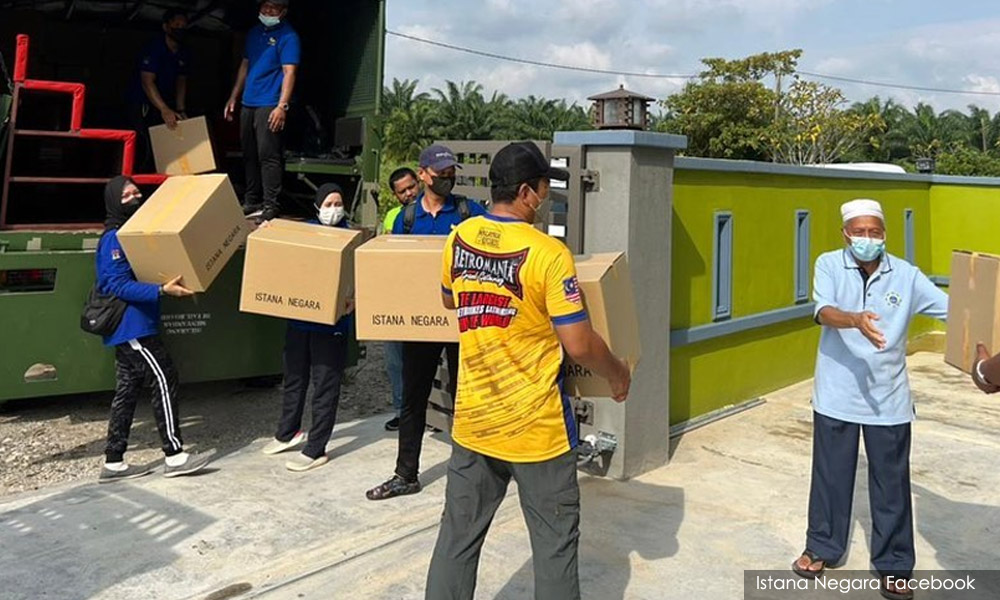
COMMENT | As I write this on Christmas Day, I feel joy and comfort to learn that 68 families from my homeland, Sarawak, affected by the flood disaster in Selangor have received food supplies and basic necessities from Sarawak Volunteers and the Sarawak Liaison Office in Kuala Lumpur (PPSKL).
This is the first time I’ve heard of PPSKL and I’m glad that my fellow Sarawakians in Malaya have an organisation to turn to for assistance during a natural disaster.
Forty-seven of the families lived in Taman Sri Muda, Shah Alam while 21 other Sarawakian families lived in Klang, Balakong, Dengkil, Cheras and several other areas around Shah Alam.
Kudos to Senior Works Minister Fadillah Yusof, who is also PPSKL patron, for directing that Sarawakians affected by the floods be identified and helped.
Flood is one of the most dangerous of natural disasters. It damages living conditions, carries a lot of harmful consequences, causes mass...
COMMENT | As I write this on Christmas Day, I feel joy and comfort to learn that 68 families from my homeland, Sarawak, affected by the flood disaster in Selangor have received food supplies and basic necessities from Sarawak Volunteers and the Sarawak Liaison Office in Kuala Lumpur (PPSKL).
This is the first time I’ve heard of PPSKL and I’m glad that my fellow Sarawakians in Malaya have an organisation to turn to for assistance during a natural disaster.
Forty-seven of the families lived in Taman Sri Muda, Shah Alam while 21 other Sarawakian families lived in Klang, Balakong, Dengkil, Cheras and several other areas around Shah Alam.
Kudos to Senior Works Minister Fadillah Yusof, who is also PPSKL patron, for directing that Sarawakians affected by the floods be identified and helped.
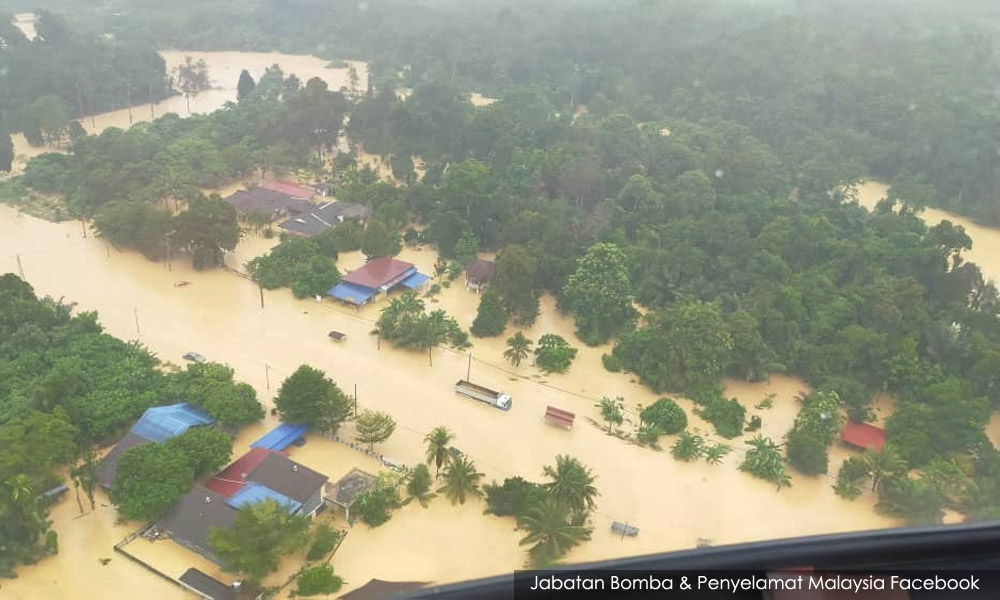
Flood is one of the most dangerous of natural disasters. It damages living conditions, carries a lot of harmful consequences, causes mass destruction and it takes a lot of time to recover from the disaster.
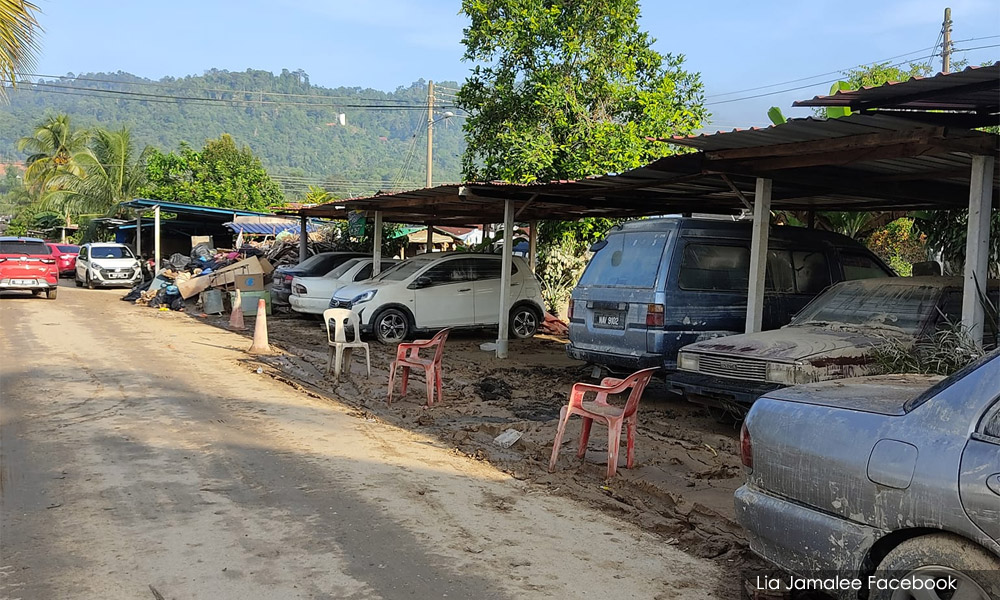
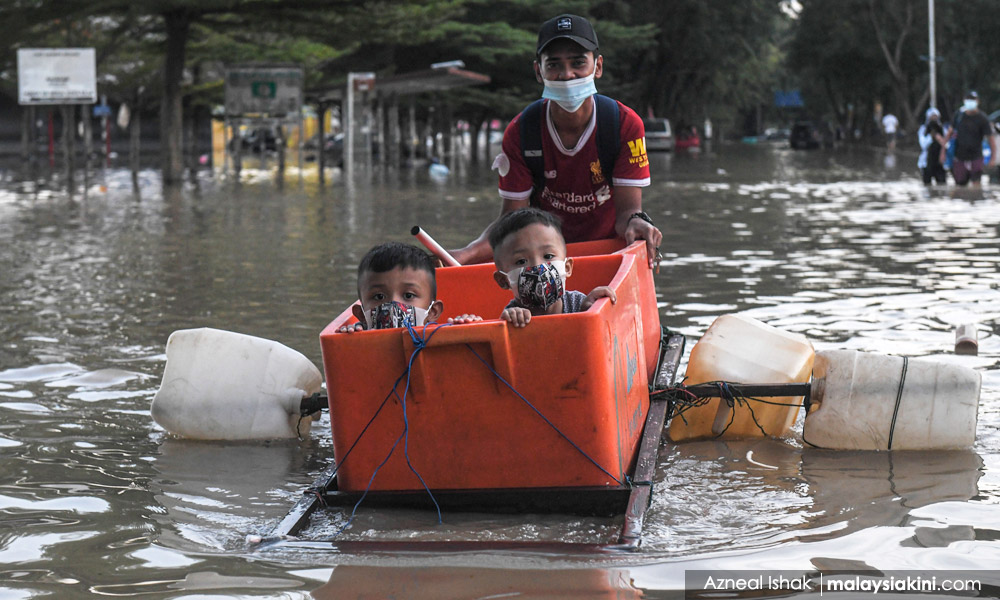
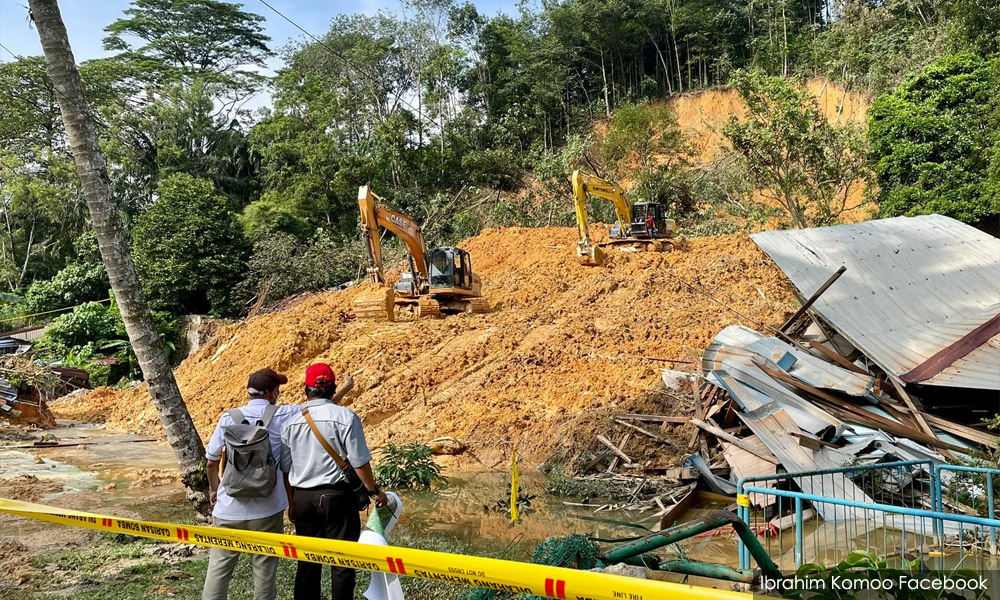
Cars, motorcycles, treasured belongings, precious souvenirs and documents, and in some extreme cases, total home structures, could not escape the wrath of the swirling waters.
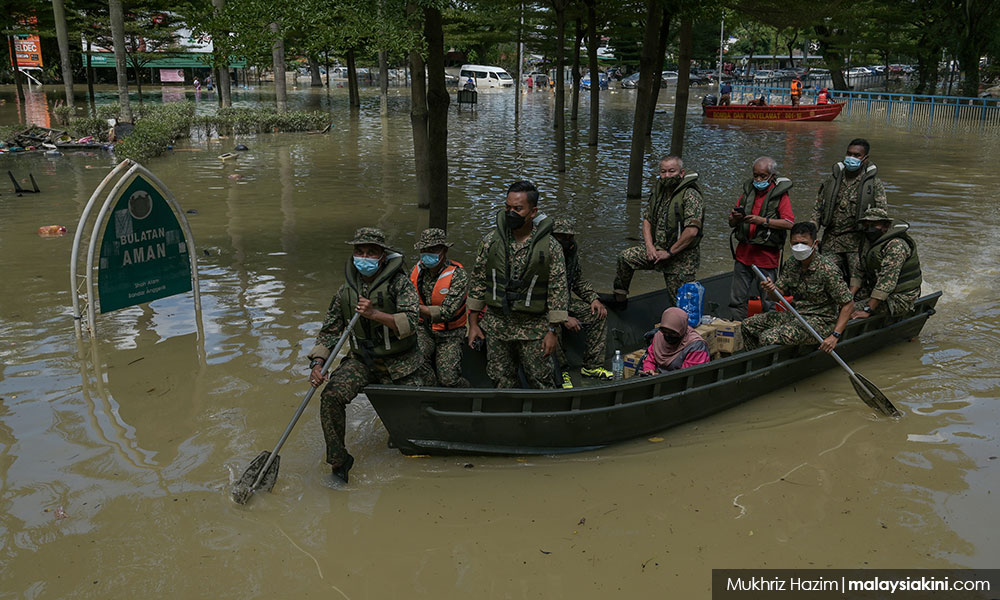
As happened in the Ulu Langat and Klang districts and the sprawling Taman Sri Muda housing area in Shah Alam, the floods interrupted the day-to-day functioning of the residents and also caused deaths.
Floods also hamper the environment; causing erosion and degrading the quality of the soil. Similarly, floods also damage crops, flora, fauna and trees.
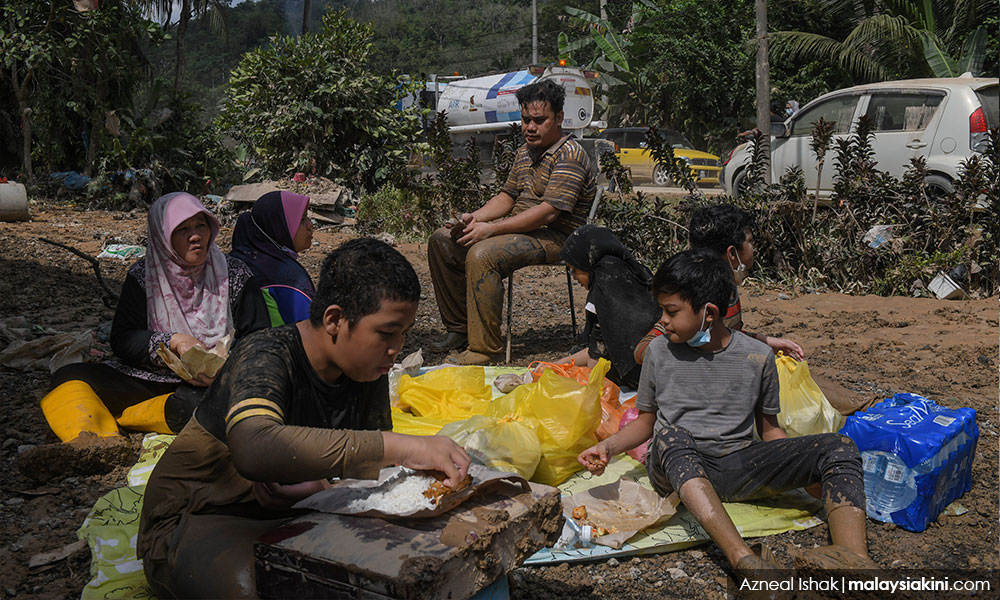
A dire result of the floods is the stricken supply of food and goods.
This creates a big problem not just for the common man in the affected areas, but also for consumers across the land and causes prices of even essential household needs to hike.
In one reported case in Shah Alam, the whole ground floor of a supermarket got flooded and the shelves of goods, vegetables, poultry and fish produce, all became deeply inundated.
The economic loss felt by the country is immense and extends also to the hefty resources needed to rescue people and tackle the disaster.
Usually, the news is that monsoon winds, torrent rains, swollen rivers and tidal waves had savaged the coastal towns and hinterlands of the east coast shores of the peninsula.
However, it is Selangor and the adjacent Federal Territories that have now drawn engineers and hydrological experts to in-depth discussions as to what could be realistically done to prevent and mitigate the effects of floods, wherever it occurs.
Already, it has been a hard battle to subdue Covid-19.
It would be easy for Keluarga Malaysia to only leave it to these authorities to review and carry out continuous planning in dealing with the occurrence of floods and extreme climatic changes.
But here we are not dealing with Covid-19, where citizens are told to just be good boys and good girls and only follow the orders and standard operating procedures (SOPs) set by the authorities.
With regard to the floods, the citizens cannot be shut up.
While they understand it is best to leave the technical and structural remedies to the experts, the common people want to be heard about their grouses of the human-interest follies that had added more blows to their peace of mind.
Who is at fault?
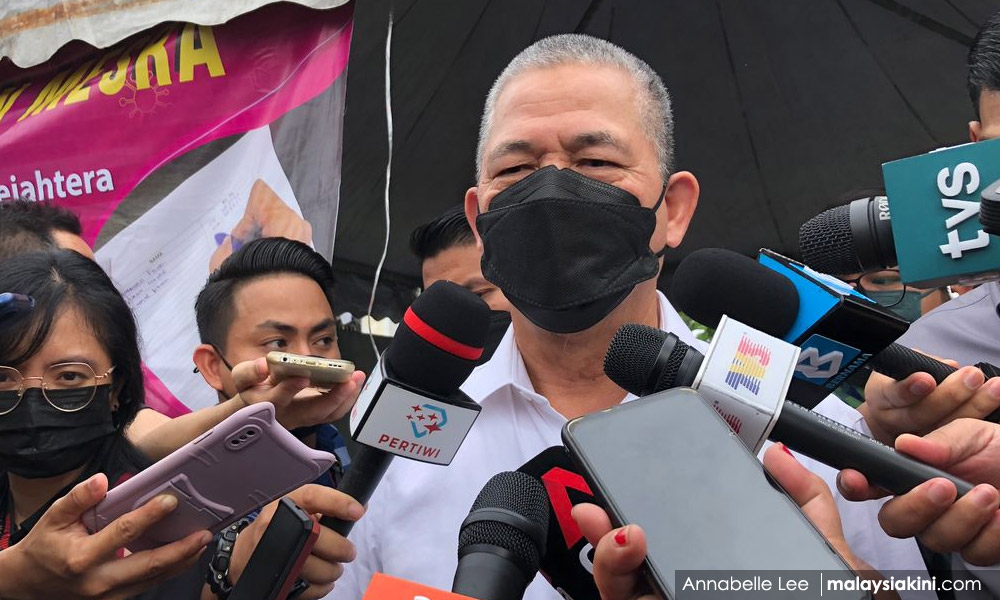
Every citizens’ group seems to have something to say about the government’s alleged lack of action to help stranded victims; not giving due regard to homes that needed urgent attention; delaying the deployment of help to affected areas; lethargic movement of troops and assets to priority locations; and wasting resources, such as in the now-notorious affair of the overloaded boat of newsmen and security people accompanying a senior minister on a supposed site visit.
Everyone thinks he or she has the answers and there is a lot of bickering as to who is at fault - if any - for the human errors and incompetence that had resulted in the massive losses of lives as well as the damage to property, environment, crops and livestock in the spate of the floods in the Klang Valley and outskirts.
How could this happen; in a region reputedly the most sophisticated and well-developed in the country?
After all, we have the Storm Management and Road Tunnel (SMART) - the world’s first stormwater tunnel with a built-in motorway - that opened to traffic in 2007.
The SMART use over four days from Dec 18, helped to divert five million cubic meters (or five billion litres) of floodwater from entering Kuala Lumpur.
When the merciless floods are over and the finger-pointing stops, that will be the time for the wakil rakyat and their constituents to sit down and talk about whether they will be prepared the “next time” when ravaging waters come close again to their homes.
I look forward to seeing, aside from the official decisions to effectively stop urban flooding, are some common sense civil actions; such as follows:
- keeping streets and sidewalks always clean
- cleaning and unclogging manhole and monsoon drains
- keeping houses in residential areas rainfall-free of branches and leaves to avoid clogging and, consequently, return of water
- putting garbage bags on the sidewalks only near the time the garbage collection truck will come, preventing them from being drawn into the manhole when it rains
- have a regular disposition of urban garbage and construction rubble, as well as expanding the river gutters
- create neighbourhood and business reservoirs, as well as expand green areas
- forbid loaded vehicles on high traffic roads when nearby rivers overflow
- implementation of roadsides covered by grass or vegetation that, in cases of overflowing rivers or streams, water would be absorbed by the pavement-free soil.
Is that too much to ask?
Sarawakians, too, must brace themselves for the monsoons and their consequences. We have been warned of the inclement weather ahead and must take lessons from what had happened in Malaya.
The authorities too must step up now and be prepared for the worst. Just don’t say that we have not been warned.
FRANCIS PAUL SIAH heads the Movement for Change, Sarawak (MoCS) and can be reached at sirsiah@gmail.com
The views expressed here are those of the author/contributor and do not necessarily represent the views of Malaysiakini.



Report this comment
Are you sure you want to delete this comment?
This action cannot be undone.