



MP SPEAKS | Social protection to shift plight of Orang Asli
MP SPEAKS | It’s really not a ground-breaking piece of information. We know the Orang Asli have lived in structural poverty for decades.
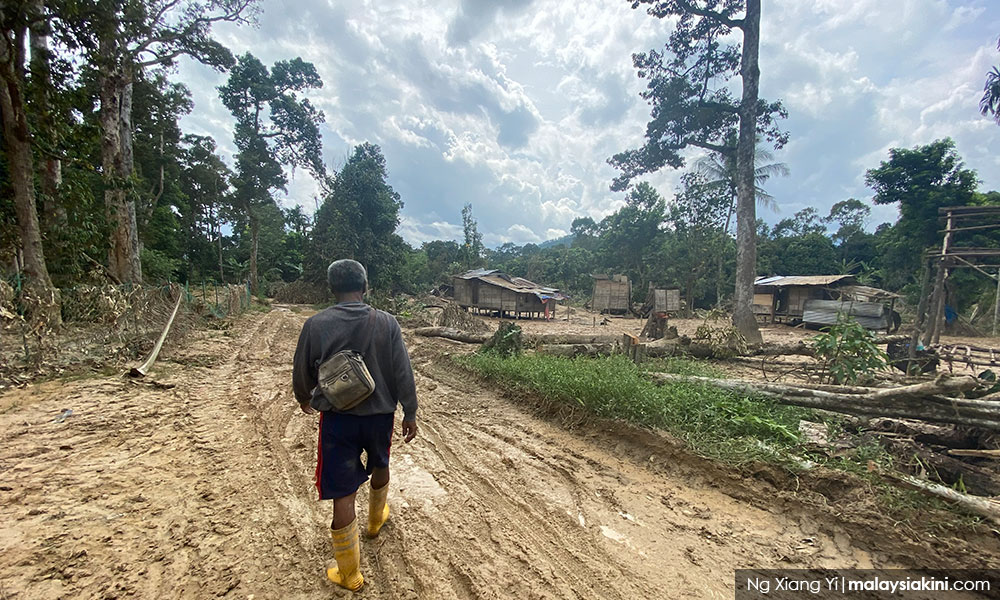
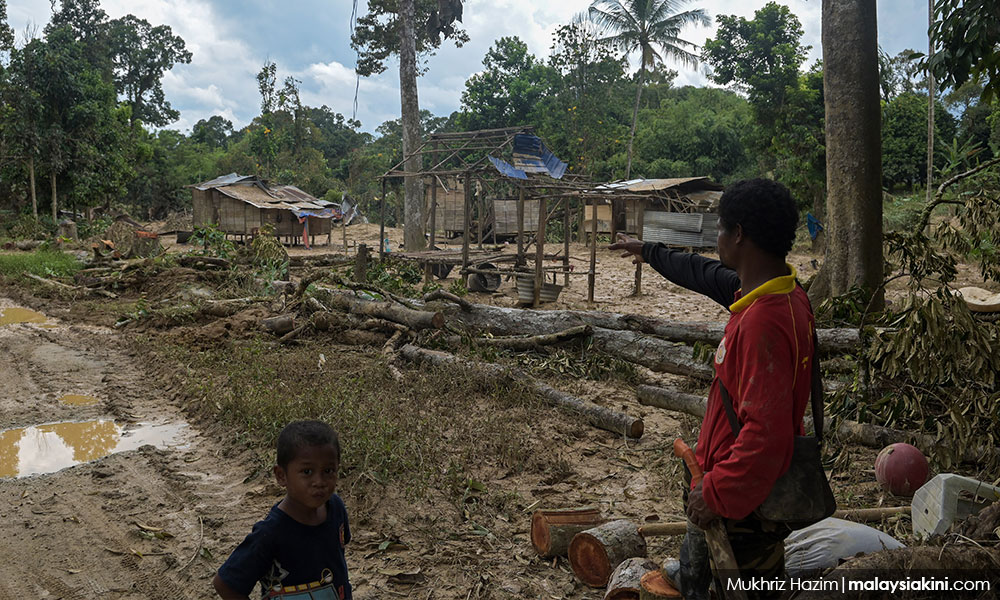
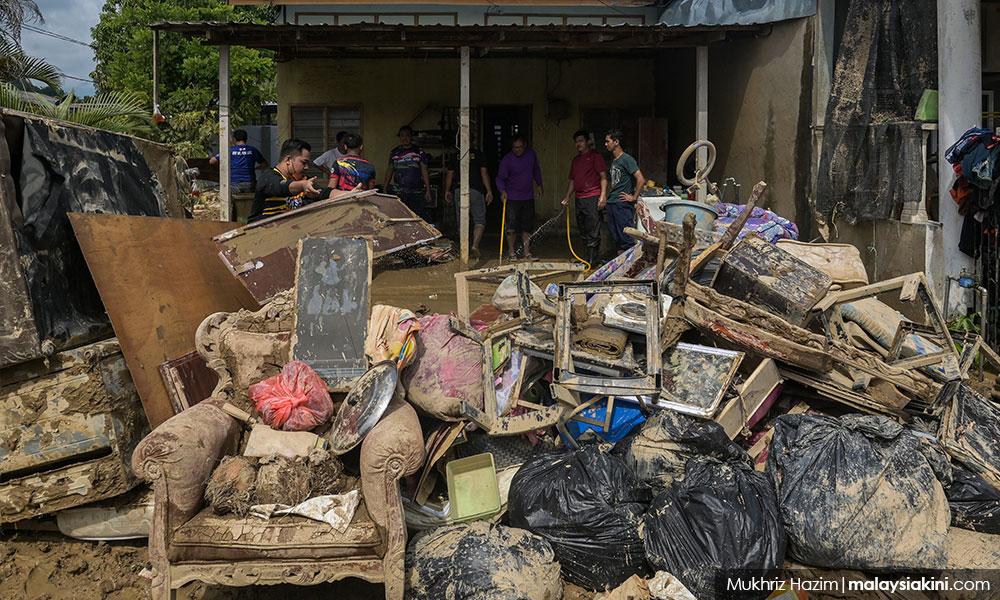
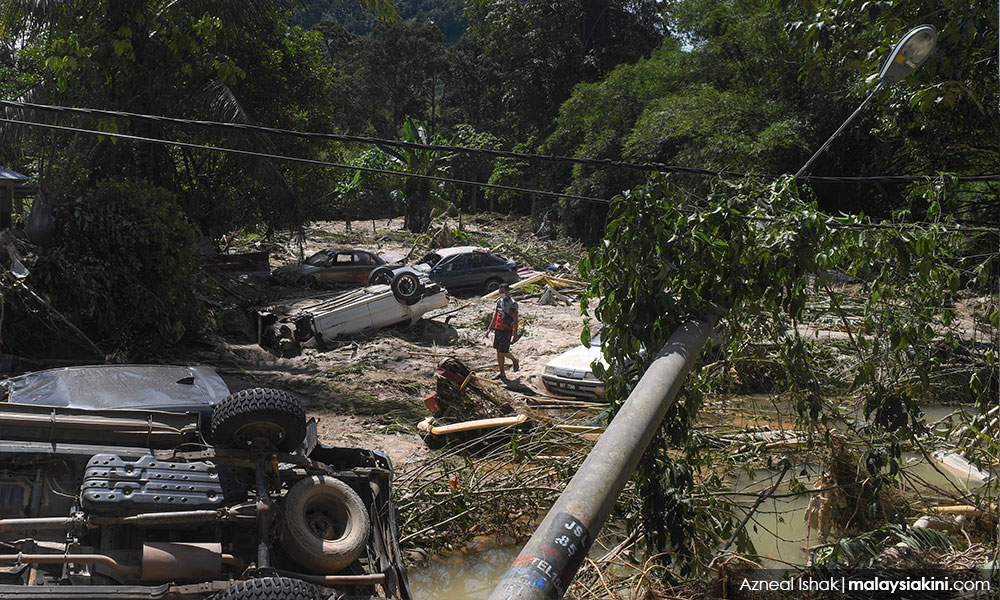
But the last two crises - the Covid-19 pandemic and the recent floods - have further impoverished the community, which survives on daily wages from fishing.
Their homes were badly damaged, and they suffered other devastating losses, valued at RM4,000 per household at the minimum.
Let’s look at how easy - or tough - it would be for them to recoup their losses. During the fishing season (January, March, June and September), they can earn up to RM100 per day after deducting the operational expenses, which are mostly the petrol for the engine.
During the normal season, the average income is around RM50 per day. There is zero income when it rains.
The community does not have savings to resist economic shock, be it from the pandemic or environmental disaster.
A community leader told us...
MP SPEAKS | It’s really not a ground-breaking piece of information. We know the Orang Asli have lived in structural poverty for decades.
But the last two crises - the Covid-19 pandemic and the recent floods - have further impoverished the community, which survives on daily wages from fishing.
Their homes were badly damaged, and they suffered other devastating losses, valued at RM4,000 per household at the minimum.
Let’s look at how easy - or tough - it would be for them to recoup their losses. During the fishing season (January, March, June and September), they can earn up to RM100 per day after deducting the operational expenses, which are mostly the petrol for the engine.
During the normal season, the average income is around RM50 per day. There is zero income when it rains.
The community does not have savings to resist economic shock, be it from the pandemic or environmental disaster.
A community leader told us that it’s not surprising to see a fisherman, who has worked for 40 years, having only RM2,000 in savings. A fisherman working for two years should have savings of RM200.
Women usually don’t own any savings or bank account.
The Orang Asli don’t have big boats, big nets and technology, leading to a lower turnover compared to the Chinese and Malay fishermen.
There is not much support from their children as they work in nearby factories and earn a minimum wage of RM1,200. After deducting Socso and EPF, their take-home salary is hardly enough to support the family.
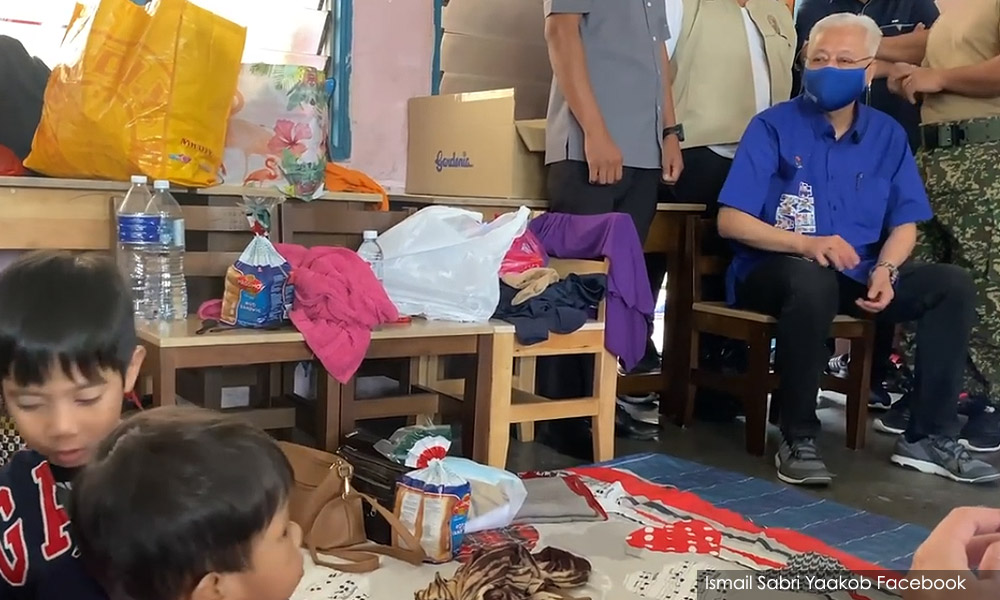
This last Sunday, my office distributed clothes, dry food including rice, medicine, face masks and saliva test kits to the Orang Asli community in Pulau Indah, Klang.
But this would only support them for a week if it’s a small family and three days for bigger families.
Many of the poverty issues arise from the fact that their income is rather low, and together with many children whom they can hardly support and therefore end up borrowing money or goods from their relatives in the neighbourhood, including sanitary pads because of period poverty, milk powder and dry foods.
And falling sick at night means forgoing food expenditure for a week as they would end up forking out RM50 to RM100 for consultation at private clinics.
These fishermen are self-employed and thus do not subscribe to Socso and EPF, further incurring weak social protection.
Clearly, the Orang Asli community needs an urgent social protection system to weather uncertainties and loss of income.
A new approach would be to get the government to provide a minimum wage of RM1,200 and to put in place a social protection system and safety mechanisms that are accessible to the community.
We have treated the Orang Asli like sub-humans for decades. It’s time to change the reality.
CHARLES SANTIAGO is Klang MP.
The views expressed here are those of the author/contributor and do not necessarily represent the views of Malaysiakini.


Report this comment
Are you sure you want to delete this comment?
This action cannot be undone.