


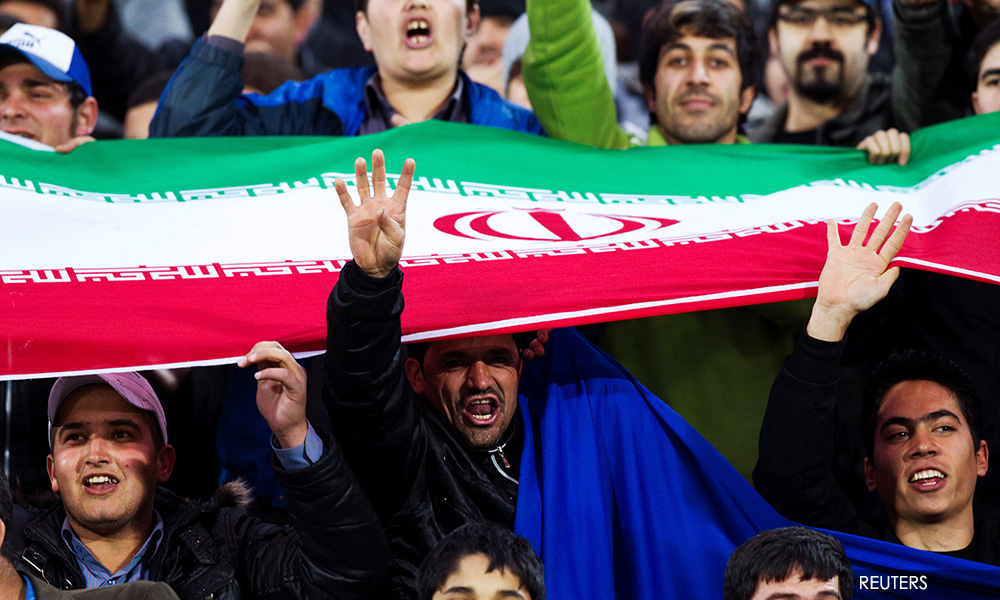

MP SPEAKS | Sanctions during the pandemic
MP SPEAKS | The Middle East is a complicated non-monolithic region ingrained with tribalism, characterized by differences and contention for land for as long as history could remember.
Middle Eastern civilisations have seen numerous rises and falls of societies ravaged by war and the greed of man, yet the tribal cultures survived through the ages. While the world advances with modernization into civilised societies, mankind must not resort to uncivilised methods in resolving perpetual conflicts in the Middle East.
For many years, the idea of the “American Dream” has dominated the world with the concepts and imaginations of a fair and just world where every human being is born with dignity and equal rights to strive lawfully upon this earth, free and equal.
Since the end of World War II, the US gained many unfair advantages, stamping its position as the world’s leading nation, reigning supreme both economically and in terms of its military might.
MP SPEAKS | The Middle East is a complicated non-monolithic region ingrained with tribalism, characterized by differences and contention for land for as long as history could remember.
Middle Eastern civilisations have seen numerous rises and falls of societies ravaged by war and the greed of man, yet the tribal cultures survived through the ages. While the world advances with modernization into civilised societies, mankind must not resort to uncivilised methods in resolving perpetual conflicts in the Middle East.
For many years, the idea of the “American Dream” has dominated the world with the concepts and imaginations of a fair and just world where every human being is born with dignity and equal rights to strive lawfully upon this earth, free and equal.
Since the end of World War II, the US gained many unfair advantages, stamping its position as the world’s leading nation, reigning supreme both economically and in terms of its military might.
As the US promotes its brand of democracy, equality and freedom to the world, unfortunately, it has done so repeatedly through abuse and violation, against the very ideals of freedom it advocates.
Take Iran for example. Iran is a country rich in oil and gas resources, with 10 percent crude and 15 percent gas reserves of the world’s total. In the modern era of the “great energy thirst”, Iran could easily be one of the richest nations in the world.
However, Iran had proven to be unlike other oil-rich nations in the region. Iran is staunchly stubborn to its principles, refusing to compromise on its beliefs and bowing to the demands of the US, or other world powers.
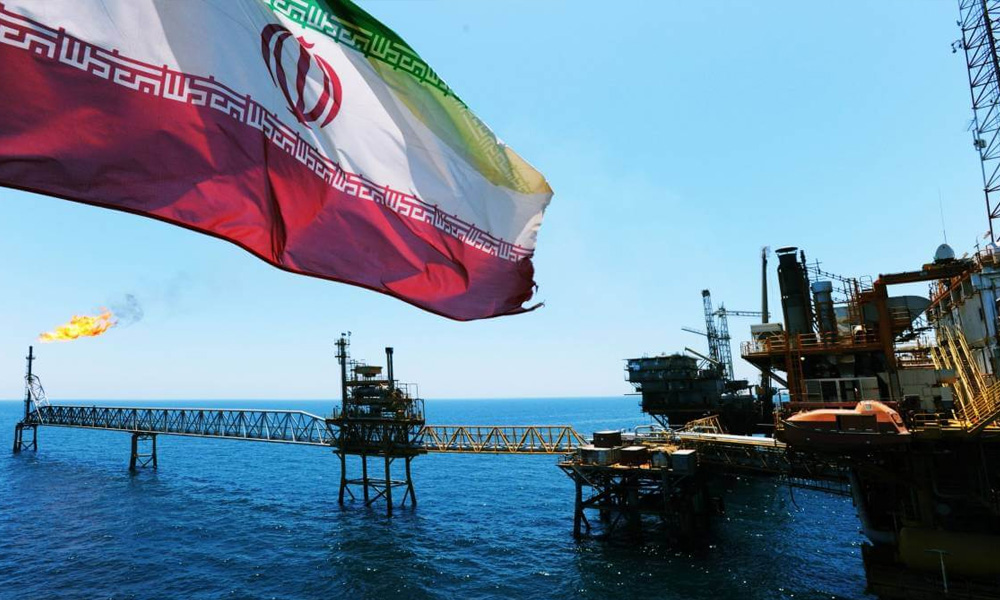
Iran stands proud, albeit as a sore thumb in the Persian Gulf, insisting on international diplomacy among equal partners, not as subjects to be talked down. Western nations stood together with the US to oppose Iran’s nuclear program, fearing a new member in the exclusive “Nuclear Club”.
Understandably, powerful nations would not risk an impending doom and destabilisation of capitalism that keep the rich, richer while poorer nations are enslaved into endless financial debts.
A fundamental question is why had the US reneged on the Joint Comprehensive Plan of Action (JCPOA) and instead imposed economic sanctions on Iran?
Very few would challenge the United Nation’s decision when Iran was sanctioned.
The unfortunate reality is that the economic sanctions by the US hits the common people in Iran, not the leaders or the elites, especially during the pandemic.
It is common knowledge that the US uses such sanctions to punish nations for choosing leaders unfavourable to Washington.
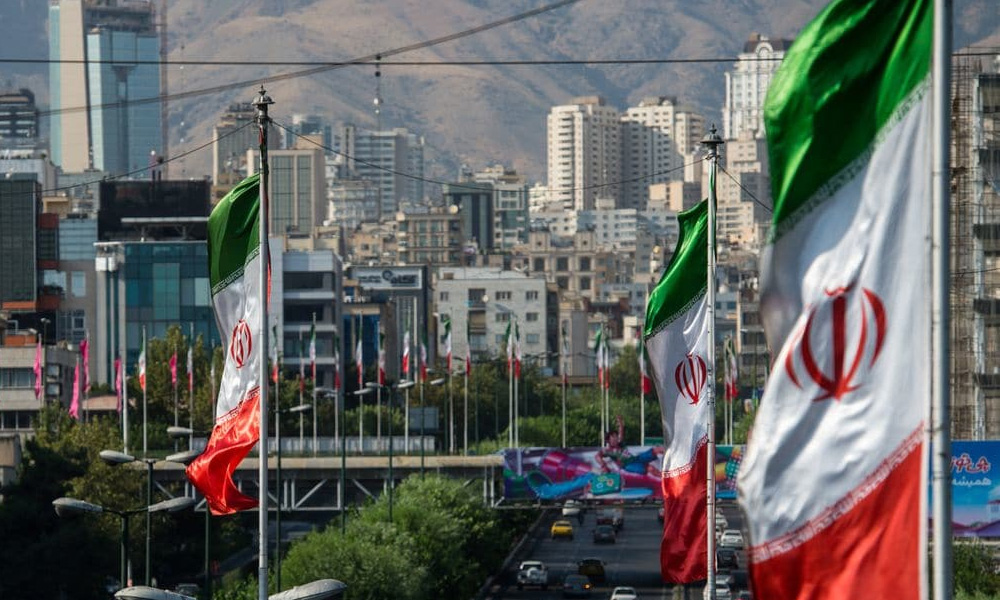
Previous sanctions drove people to overthrow governments undemocratically, only to be replaced by leaders aligned to Uncle Sam. In the end, the economic sanctions are just a means to force common folks to overthrow their government, even to their own detriment.
Preventing any form of weapon and proliferation of weapons of mass destruction is definitely justified for the peaceful co-existence of nations.
However, in reality, the economic sanctions is a form of oppression to the people, amounting to genocide employing deprivation of basic needs and starvation.
If the humanity of today truly existed in civilised times, the US should revisit its strategies and adopt a new approach to promote democracy, equality and freedom. If indeed humanity truly is alive, it is time to once and for all stop modernised oppression in the form of economic sanctions.
Preventing the development of militarized nuclear technology is a legitimate and wise objective. Nevertheless, various methods could be imposed for such prevention, including sanctions without punishing innocent citizens.
It is well established that there are only a few countries with the capacity to develop or provide nuclear technology to Iran. Further, with Iran located in the most sensitive region on earth, it is already under constant monitoring by both the UN and Washington.
If the US so wishes for the people of Iran to rise up and change the leadership, instead of oppressing and punishing its citizen, it would be much wiser to harness the friendship of the Iranian people.
Instead of an economic sanctions that leads to hardship and difficulties, the US could educate, engage and approach the people of Iran through various means, be it through social media, trade engagement, direct investments and tourism, to show the people of Iran that a better Iran could be created through the ideals of democracy and freedom.
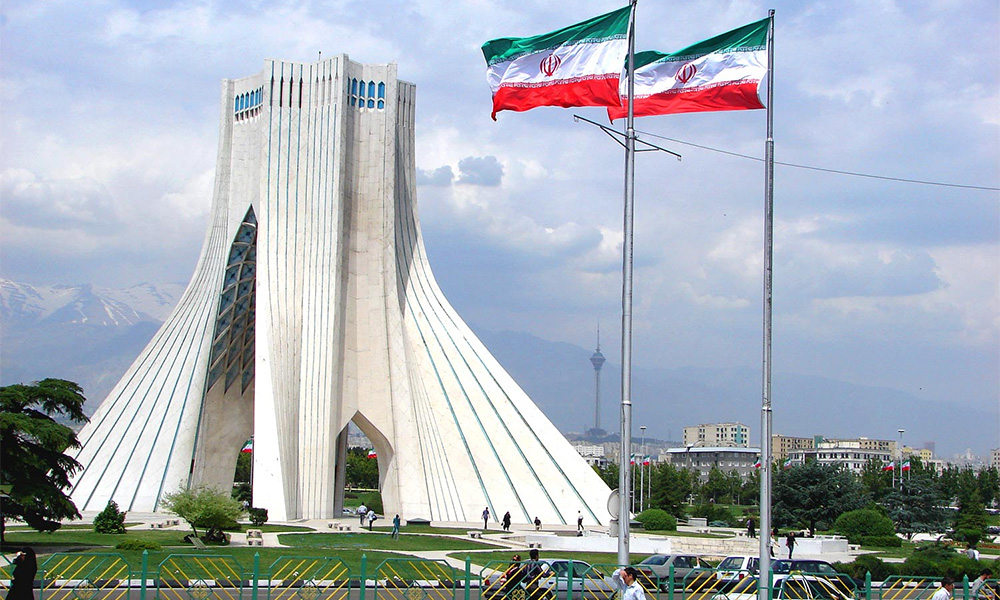
Even though such approaches need time and may even require an entire generation before any desired result is achieved, the end results are anticipated to create lasting peace and foster relationships in the long term.
Common folks in Iran would not take the path of crime and violence if there is a better way that allows legitimate and honest means to earn a living.
If the US, instead of sanctioning Iran economically, allows Iranians to develop commerce freely, a likely scenario could see Iranians from all walks of life achieving improved wellbeing while embracing the ideals of peace and freedom advocated by the US.
Much-needed motivation
The US leaders must understand that the Iranians hold on to the war and destruction mindset as a much-needed motivation to divert their attention away from the hardship resulting from the economic sanctions. Washington should ask its own citizens, if they are willing to hold a gun and go to the battlefield, after having tasted a good and peaceful life.
After years of economic sanctions, which resulted in untold misery to the Iranian people, it is time for the US to change its approach from oppression to friendship. By now, the US should realise the resilience of the people of Iran. Any form of sanction would not break them.
It is much easier for human beings who grew up in hardship to fall for the temptations of comfort than being broken by trials of hardship. Iranians, too, desire for a better life, to break free from oppression and to be a nation equal to others upon this earth.
Hasanuddin Mohd Yunus is the Member of Parliament for Hulu Langat.
The views expressed here are those of the author/contributor and do not necessarily represent the views of Malaysiakini.


Are you sure you want to delete this comment?
This action cannot be undone.