


/file/publisher-c1a3f893382d2b2f8a9aa22a654d9c97/2021/01/a871002353c16d6c8267239d8955c9b0.jpg)

COMMENT | Why is Penang govt obsessed with LRT?
COMMENT | Finally, with funding from the federal government, a tender will soon be called to bid for the first Penang LRT project which was proposed and pushed by the SRS consortium that will also reclaim the Silicon Island south of Penang Island.
It should be pointed out that the Penang Transport Master Plan formulated by Halcrow and approved by the Penang government in 2013 did not recommend LRT as a mode of public transport. What was recommended were trams and buses that were more flexible and economical.
Recently we witnessed discussions over the merits and demerits of LRT against other much cheaper systems currently available such as the hydrogen-powered autonomous rail transit (ART) that is currently implemented in Kuching, Sarawak.
Here, I would like to raise the fundamental question - why is the Penang government obstinately sticking to the LRT as the preferred mode of public transport? A bit of history is in order.
COMMENT | Finally, with funding from the federal government, a tender will soon be called to bid for the first Penang LRT project which was proposed and pushed by the SRS consortium that will also reclaim the Silicon Island south of Penang Island.
It should be pointed out that the Penang Transport Master Plan formulated by Halcrow and approved by the Penang government in 2013 did not recommend LRT as a mode of public transport. What was recommended were trams and buses that were more flexible and economical.
Recently we witnessed discussions over the merits and demerits of LRT against other much cheaper systems currently available such as the hydrogen-powered autonomous rail transit (ART) that is currently implemented in Kuching, Sarawak.
Here, I would like to raise the fundamental question - why is the Penang government obstinately sticking to the LRT as the preferred mode of public transport? A bit of history is in order.
In 2016, transport engineers at Universiti Sains Malaysia were engaged to do a technical peer review of the SRS proposals.
Unfortunately, the USM team was denied possession of the most critical multimodal transport planning software that contains the basic parameters and assumptions such as population projections, expected ridership etc to help justify why a particular transit system was recommended.
Other important reviews not carried out in 2016 were the financial viability study and the long-term operational and maintenance requirements for the three different transit systems proposed by SRS - LRT, monorail, and tram.
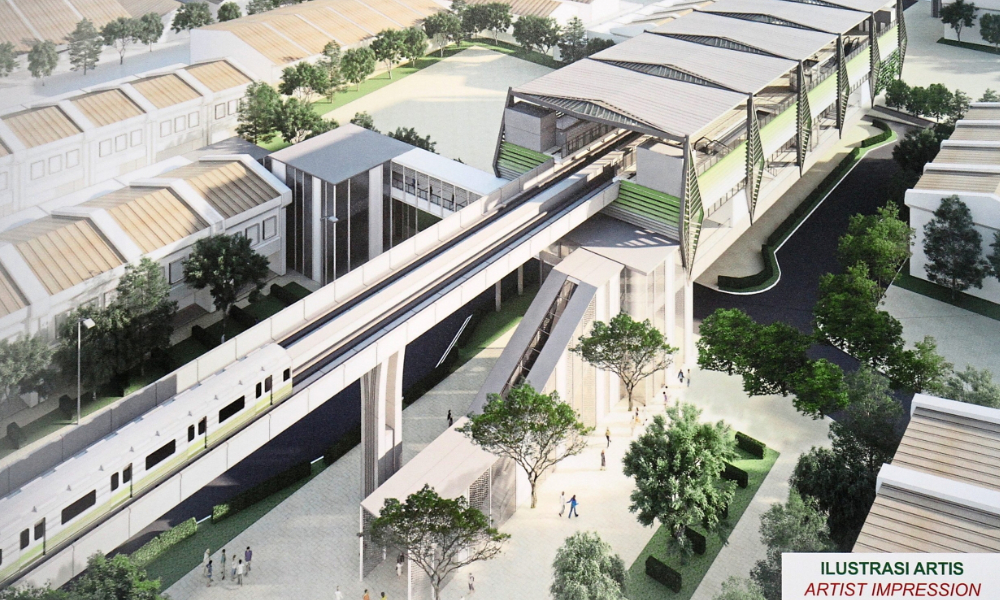
The Penang government - which claims competency, accountability, and transparency as its mantra - should have done what Singapore did in 1980, which is to encourage robust internal and public debates as well as feedback on its proposed MRT transit systems before implementing it.
Instead, the state government has insistently promoted the LRT as pushed by SRS. Why?
No reason or rhyme
For those in corporate businesses and familiar with how things work, let us review how and why some major projects got implemented in Penang.
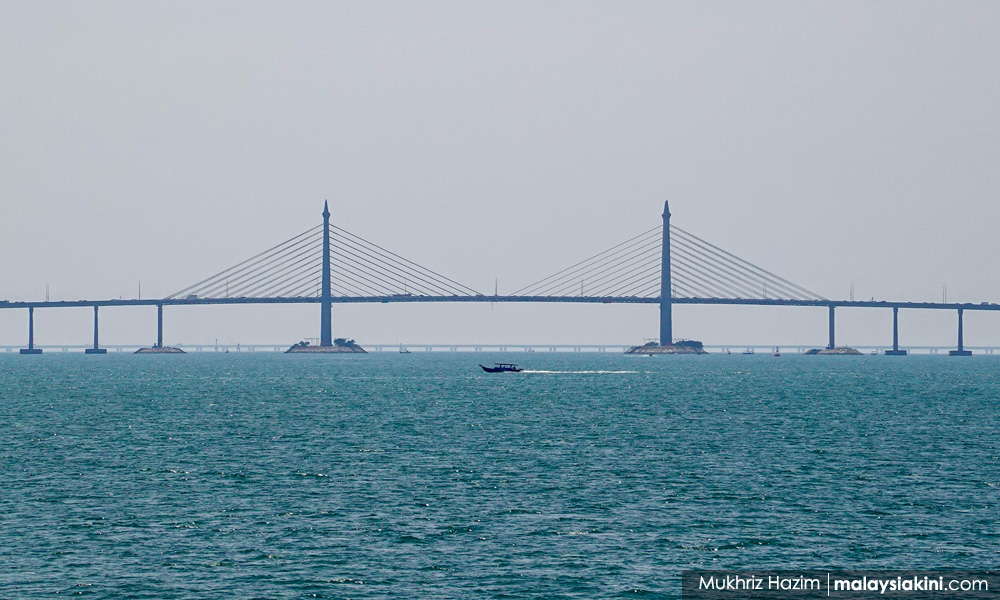
1) The first Penang Bridge was designed to last over a hundred years. Yet, barely 25 years later, its steel cables and box girders were all replaced by a French company for RM150 million because it claimed the original cables were overstressed beyond design limits.
2) Also the first Penang Bridge was already designed for widening from four to six lanes when required. Yet additional piles on both sides of the bridge were added to bring the contract sum to RM580 million.
3) The new multi-storey car park in the Penang Airport. Despite knowing that there are plans to locate a public transit system station adjoining the airport, this new car park was built beside the airport, preventing the transit station from being there next to the airport.
Furthermore, the car park was built without linking it to the airport. As an afterthought, a complicated undercarriage steel structure supporting the link bridge is now being constructed.
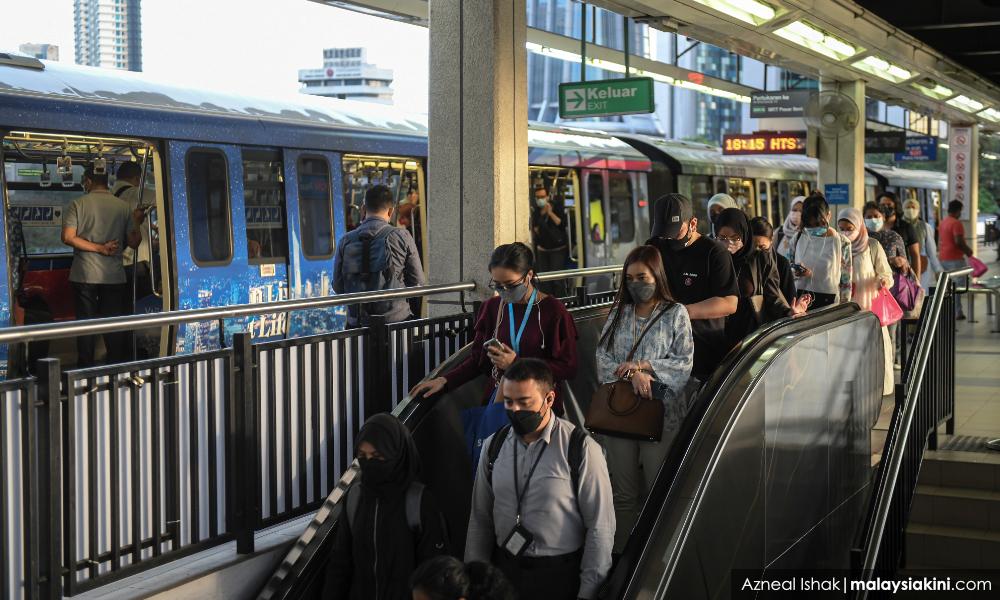
4) What about the costly lessons with all the Klang Valley transit systems eventually having to be bailed out by the government at the cost of billions of ringgit shouldered by Malaysian taxpayers?
Transport plan should be reviewed
We should all be very concerned with special projects like the above - costing millions or billions - getting prioritised and implemented while government bodies neglect to perform their due diligence competently and consultants fail to carry out their work with professional integrity.
Penang should have learned from both the Singapore and the Klang Valley experience. In fact, the Penang government should have used the lull period since 2016 to perform due diligence to have the PTMP reviewed by independent consultants in both the technical and financial aspects as pointed out above.
Now that we have the RM10 billion financing from the federal government, I strongly urge the Penang government to appoint independent consultants to review and recommend the most suitable transit system for the state.
Why would any right-thinking person object to such an independent review?
LIM THEAN HENG is former chief transport engineer of the Penang government.
The views expressed here are those of the author/contributor and do not necessarily represent the views of Malaysiakini.
/file/publisher-c1a3f893382d2b2f8a9aa22a654d9c97/2021/01/08b9272b243d922c85cdb7f2b6c3a30f.jpg)
/file/981/642798f67700e12741866b11ae3e4098.jpg)
/file/publisher-c1a3f893382d2b2f8a9aa22a654d9c97/2021/01/25a42e8af181f2ca3c96a2f9ffc613af.jpg)
/file/publisher-c1a3f893382d2b2f8a9aa22a654d9c97/2020/01/fecf931f178bfef000124747df2c5dee.jpg)


Are you sure you want to delete this comment?
This action cannot be undone.