


/file/publisher-c1a3f893382d2b2f8a9aa22a654d9c97/2023/10/3ef22a1c58e8997babbee24480ec6ea1.jpg)

COMMENT | What next for 5G deployment in Malaysia?
COMMENT | With Malaysia’s 5G outdoor coverage having reached the 80 percent target for coverage of populated areas at the end of 2023 and after the signing of the share subscription agreements by the five mobile network operators (MNOs) on Dec 1, 2023, what’s next for the next stage of 5G deployment in Malaysia?
The way forward is very much dependent on what will happen to Digital Nasional Berhad (DNB), the entity that has successfully deployed 5G under the single wholesale network (SWN), in terms of its operating and ownership structure and if there will be a deployment of a second wholesale network, which has been speculated about since the change in government after the 2022 general election.
COMMENT | With Malaysia’s 5G outdoor coverage having reached the 80 percent target for coverage of populated areas at the end of 2023 and after the signing of the share subscription agreements by the five mobile network operators (MNOs) on Dec 1, 2023, what’s next for 5G deployment in Malaysia?
The way forward is very much dependent on what will happen to Digital Nasional Berhad (DNB), the entity that has successfully deployed 5G under the single wholesale network (SWN), in terms of its operating and ownership structure and if there will be a deployment of a second wholesale network, which has been speculated about since the change in government after the 2022 general election.
One possible pathway which will allow DNB to remain as a wholesale network operating independently (but which is owned by the telcos) and to allow for more equipment vendors to participate in the 5G ecosystem would be to allow tenders for the remainder of the 20 percent of coverage of populated areas and 5G indoor coverage and enterprise solutions.
This will require a few policy decisions to be made.
Firstly, the government will have to decide whether or not to maintain a golden share and the power to appoint the chairperson for DNB. The golden share option makes sense so that there can be alignment among the telcos and to ensure that the debt obligations of DNB are made, without any financial burdens to the government.
This will also provide an additional check and balance (in addition to the Malaysian Communications and Multimedia supervision) to ensure that the existing 4G spectrum is not re-farmed out as a “5G spectrum” which would harm the already sub-par 4G performance in some areas.
Secondly, the government will have to decide to conduct an open tender for the three areas mentioned above - the remainder of the 20 percent of populated areas where 5G coverage has not yet been deployed, and most importantly, indoor coverage for 5G, which has not yet been deployed (except for a few selected sites) and for private networks.
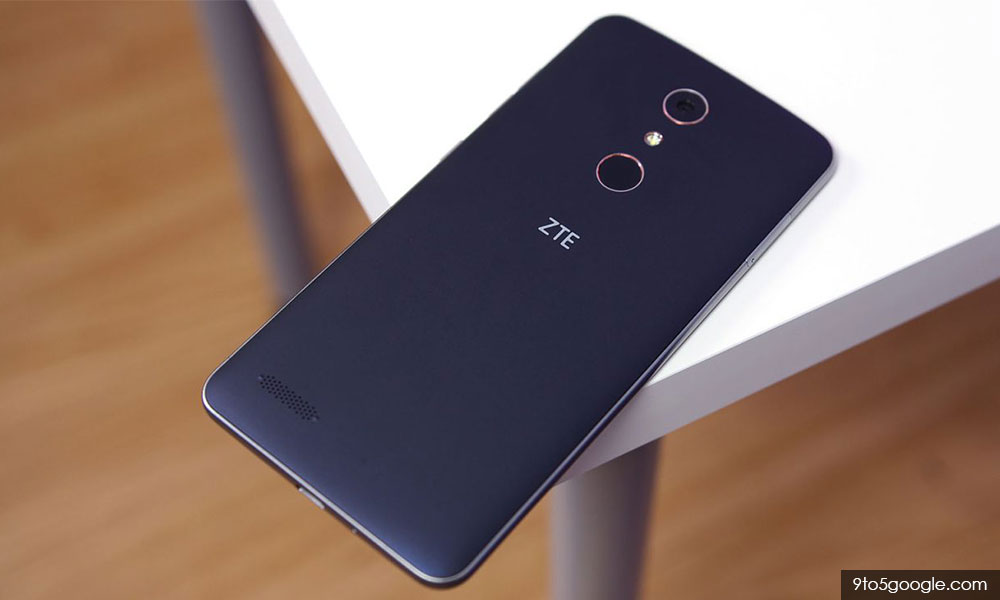
ZTE, another Chinese equipment vendor, is already partnering with DNB for indoor standalone 5G solutions and has rolled out trials with Telekom Malaysia and DNB. A thorough discussion of the various models must be put on the table such as whether these open tenders should be done separately or together, the financing model for each type of deployment, as well as the timeframe for deployment.
For example, should universal service provision funds be used to deploy 5G in the rural areas under the DNB SWN model rather than the current tendering system for such contracts under 4G deployment, which can be significantly improved from a transparency and cost-effectiveness perspective?
Possible pathways
One of the reasons why 5G has not been deployed indoors and for private networks is because of the high costs involved as well as the slow adoption of use cases in areas such as smart manufacturing, smart agriculture, telemedicine, integrated logistics, autonomous vehicles deployment, just to name a few.
It may be worth considering models for the indoor 5G coverage for key public areas such as government offices, airports, and private network deployment for industry-used cases such as Petronas’ private network at its regasification terminal at Sungai Udang in Malacca and Hong Kong International Airport’s private network for logistics and other related services.
DNB would be in charge of managing the deployment of wholesale networks for indoor coverage with one or more equipment vendors while the MNOs can manage the deployment of 5G private network for enterprise in collaboration with DNB, which is managing the spectrum.
The tendering of the indoor 5G network and private network would also allow other vendor equipment players including Huawei, ZTE, and Nokia to put in competitive bids for DNB (or an appointed consultant) to evaluate.
It is also worth pointing out that in today’s model, all operators are using their core systems which are provided by different vendors including Huawei and ZTE. This allows for differentiation and to mitigate the risk of a single point of failure.
An important point which needs to be made here is if the MNOs want to own and deploy a second 5G network, their immediate focus would be on providing outdoor 5G coverage first before focusing on indoor coverage.
But if the majority of 5G usage, including enterprise solutions, would likely occur indoors, why not focus on the indoor deployment of 5G under the successful DNB SWN model, rather than wait for a second 5G network to be deployed for outdoor urban coverage, where there is 80 percent coverage already existing?
A second possible pathway is if there is going to be a second wholesale network created, then DNB and the second network should remain as independent wholesale networks, owned by different sets of MNOs, but with a similar governance structure so that their key performance indicators including service level provisions are consistent with regulatory expectations.
The second network should not be allowed to “shortcut” its way to providing adequate 5G coverage by refarming some of the 4G spectrum and allowing this to be “passed off” as a 5G signal to consumers and the regulators.
Worst-case scenario
A third possible pathway - the worst case - would be if DNB were to be “emasculated” by the MNOs and have its current 5G network combined with the existing MNO network which was designed for older technologies (2G and 4G) instead of 5G and have a second network that is similarly structured.
We will end up with a situation not too dissimilar to what we have now under 4G where the MNOs will take their time in “sweating” their 4G and to a lesser extent, their 5G assets, to gain the most profit for their shareholders. The deployment of 5G on a second network will be slow and indoor deployment will be even slower.
When such a second network is approved, the pricing impact to the consumer should be the same as what is being delivered by DNB, with the same technical standards being imposed on this second network.
Policy clarity and consistency are needed on the part of the government as we anticipate important announcements regarding our nation’s 5G policy later this month or in early May.
In the absence of policy clarity, news articles invite unproductive speculations and unnecessary clarifications from the government agencies and the private sector, none of which is beneficial for the investment and policy climate in the country, especially in this sensitive area of government policy.
ONG KIAN MING is the former Bangi MP and former deputy international trade and industries minister.
The views expressed here are those of the author/contributor and do not necessarily represent the views of Malaysiakini.
/file/publisher-c1a3f893382d2b2f8a9aa22a654d9c97/2023/11/e898fde820b8587e559d3630d04e4251.jpg)
/file/publisher-c1a3f893382d2b2f8a9aa22a654d9c97/2024/04/17b89f0e7c49a6bd18159ce6fe3a57e1.jpg)
/file/1356/62070dfbb74a5450aeeed982c2cca86b.jpeg)
/file/publisher-c1a3f893382d2b2f8a9aa22a654d9c97/2023/09/068145590e4b387ec40dfc9cce66b224.jpg)
/file/publisher-c1a3f893382d2b2f8a9aa22a654d9c97/2019/04/70c0f87d36d18ffd69c5ca2ee48116c1.jpg)


Report this comment
Are you sure you want to delete this comment?
This action cannot be undone.