


/file/publisher-c1a3f893382d2b2f8a9aa22a654d9c97/2024/09/073d08f41fd85e886c7fb668b291525c.jpg)

COMMENT | Will we ever get to elect our local govt officials?
COMMENT | About 20 years ago, DAP MP Tan Kok Wai led a group to The Sun’s office to seek signatures on a campaign calling for local elections.
Most of us on the editorial floor enthusiastically signed it, having been involved in a series of exposés over the preceding months of the many shortcomings of the local governments in Selangor.
Local elections in Malaysia were suspended in the 1960s and later replaced by a system of appointed heads, with the state governments appointing mayors of city councils and presidents of municipal and district councils.
The licence-for-donations scandal related to outdoor billboards and the allocation of low-cost houses for ineligible staff of what was then the Petaling Jaya Municipal Council, the pest control monopoly in Subang Jaya, and much later, the infamous “palace” of former Umno assemblyperson Zakaria Md Deros in Klang were enough reasons to hold councillors responsible for their actions or inaction.
COMMENT | About 20 years ago, DAP MP Tan Kok Wai led a group to The Sun’s office to seek signatures on a campaign calling for local elections.
Most of us on the editorial floor enthusiastically signed it, having been involved in a series of exposés over the preceding months of the many shortcomings of the local governments in Selangor.
Local elections in Malaysia were suspended in the 1960s and later replaced by a system of appointed heads, with the state governments appointing mayors of city councils and presidents of municipal and district councils.
The licence-for-donations scandal related to outdoor billboards and the allocation of low-cost houses for ineligible staff of what was then the Petaling Jaya Municipal Council, the pest control monopoly in Subang Jaya, and much later, the infamous “palace” of former Umno assemblyperson Zakaria Md Deros in Klang were enough reasons to hold councillors responsible for their actions or inaction.
Above all, there were the excesses of the state to whom the council and councillors were subservient. Although the alienation of state land did not come under their purview, the councillors had the final say in planning approvals from developers.

The community needed representatives who had a conscience and could address the needs of their townships - not appointees who would dance to the tune of their political masters or those with business interests.
Above all, what was needed were people of integrity who would prioritise the people’s interests over all others, factual or imagined.
In an era where such issues are seen through communal or religious lenses, what was scarce were community leaders who scrutinised and debated income and expenditure conscientiously instead of the usual shouts of “setuju (agree)” to applications or proposals before them.
False hopes
When the BN government was defeated in Selangor in the 2008 general election, there was hope - not just a glimmer but expectancy - that people would be allowed to choose who represents them on community issues.
But then, there was a hitch, we were told. The laws had to be amended, but a formula was presented to the state in the interim period. Eight seats were allocated to political parties, professional bodies, and residents’ associations, but this was shot down.
Every coalition member (including PAS at that time) clamoured for seats, and politicians ultimately got their way, leaving the community with just three representatives.
The establishments have shot down the intermittent calls for local council elections, citing one flimsy excuse after another.
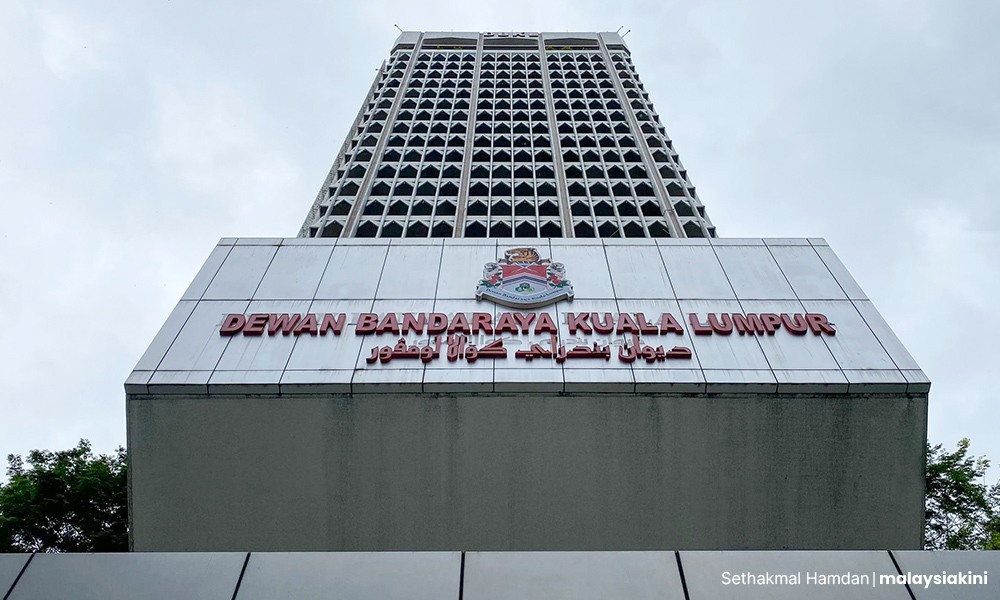
But when elections were called two years ago, Pakatan Harapan knew that it would be a drawcard and featured it in the manifesto: “… city councils like DBKL (Kuala Lumpur City Hall) are now seemingly run like private, for-profit companies that prioritise the interest of developers without taking any heed to the welfare and interest of residents.
“Therefore, we need more effective democratisation to protect the interests of the people. Malaysians have the right to participate in the democratic process at the local government level to ensure their welfare is safeguarded.
“The Harapan government will work hard to empower democracy and transparency in DBKL through systematic methods. This effort will ensure that all Malaysians can elect representation that is reliable, inclusive, and represents the interests of the people, not the developers.”
However, promises in manifestos are not legally binding, so the unity government conveniently forgot about it. Still, Cheras MP Tan re-ignited the issue last December by asking Putrajaya to first start local government elections in the capital city to bolster democracy.
Turned into racial issue, again
The response from Umno Youth was expected - anything DAP wants, we will oppose. But not those who came from within.
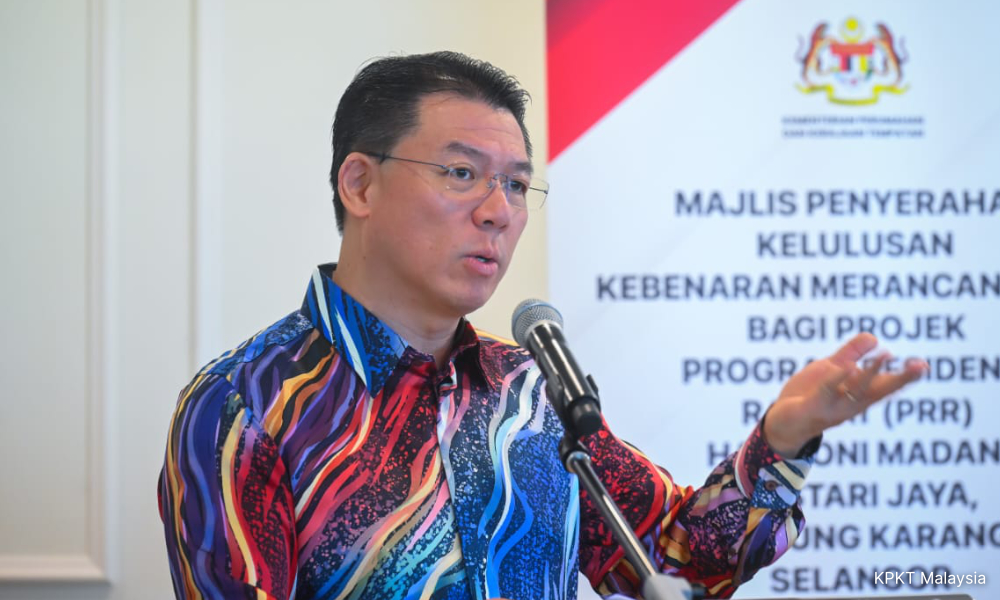
Housing and Local Government Minister Nga Kor Ming insisted the government is in no hurry to reintroduce local council elections and it is not a priority at the moment.
“My answer is always consistent when it comes to local council elections. Our country has just recovered from political upheaval, so now is the time to calm the political situation and focus on work that can benefit the public,” he said.
But Tan’s proposal was turned into a race issue by Federal Territories PAS Youth, with its chief Azmer Syazwan Ahmad Suparmin lodging a police report claiming that the suggestion had sparked racial tensions among the public.
“His statement has sparked the ire of many. There are a lot of arguments and debates on social media. This has led to disharmony among the people and has become a phenomenon,” he claimed.
But while we right-thinking Malaysians will dismiss this as a fib, he got his two minutes of fame on television and managed to use race yet again to suppress the people’s rights.
All said, don’t we, as ratepayers, have the right to choose who would represent our interests in local government matters and how our money is spent?
Yes, local government elections remain an illusionary undertaking given by politicians before general elections, only to vanish into thin air once they get elected.
R NADESWARAN is a veteran journalist who writes on bread-and-butter issues. Comments: citizen.nades22@gmail.com.
The views expressed here are those of the author/contributor and do not necessarily represent the views of Malaysiakini.
/file/publisher-c1a3f893382d2b2f8a9aa22a654d9c97/2019/01/759a1a5dfd328c649ba539161da6bbf1.jpg)
/file/publisher-c1a3f893382d2b2f8a9aa22a654d9c97/2024/10/08fe83753f5164d5cba2a7b98b84683e.jpg)
/file/publisher-c1a3f893382d2b2f8a9aa22a654d9c97/2024/10/129b988951709d4bdd75e9e38b435cd4.jpg)
/file/publisher-c1a3f893382d2b2f8a9aa22a654d9c97/2023/12/13722435bdc12467e40e9310da3ae31e.jpg)
/file/publisher-c1a3f893382d2b2f8a9aa22a654d9c97/2023/12/f192ce9cb09793e2ee71ab140c130196.jpg)
/file/publisher-c1a3f893382d2b2f8a9aa22a654d9c97/2024/03/ac93b23234c961d7fd41c0994fb96336.jpg)


Are you sure you want to delete this comment?
This action cannot be undone.