


/file/publisher-c1a3f893382d2b2f8a9aa22a654d9c97/2023/12/13722435bdc12467e40e9310da3ae31e.jpg)

COMMENT | Marhaen and Madani
COMMENT | Oct 17 is International Day for the Eradication of Poverty. This resolution was adopted on Dec 22, 1992, at the UN General Assembly.
Based on UN prediction, by the end of 2022, 8.4 percent of the world’s population (670 million people) were expected to be living in extreme poverty and as many as around 575 million people would still be trapped in extreme poverty by 2030.
This may have not taken into account the dire situation in Gaza, Lebanon and the Middle East.
Just a week ago, Malaysiakini columnist P Gunasegaram wrote a mind-disturbing article titled “When 1pct of population owns 50pct of wealth”. All this points to an unequal world that needs fairness.
Poverty is one of the greatest tragedies against equality and social justice. Is poverty natural or conditioned? In this age of AI, the human race has yet to resolve one of its oldest evils - poverty.
Since 2021, every Oct 17, the Gabungan Marhaen - a coalition of grassroots communities - uses the date to highlight and voice out the problems faced by the poor. We called Oct 17 “Hari Marhaen” - a day for the oppressed. This important date is dedicated to eradicating poverty.
Let me voice out some of the issues faced by the marhaen (the common people) in relation to the Madani government.
COMMENT | Oct 17 is International Day for the Eradication of Poverty. This resolution was adopted on Dec 22, 1992, at the UN General Assembly.
Based on UN prediction, by the end of 2022, 8.4 percent of the world’s population (670 million people) were expected to be living in extreme poverty and as many as around 575 million people would still be trapped in extreme poverty by 2030.
This may have not taken into account the dire situation in Gaza, Lebanon and the Middle East.
Just a week ago, Malaysiakini columnist P Gunasegaram wrote a mind-disturbing article titled “When 1pct of population owns 50pct of wealth”. All this points to an unequal world that needs fairness.
Poverty is one of the greatest tragedies against equality and social justice. Is poverty natural or conditioned? In this age of AI, the human race has yet to resolve one of its oldest evils - poverty.
Since 2021, every Oct 17, the Gabungan Marhaen - a coalition of grassroots communities - uses the date to highlight and voice out the problems faced by the poor. We called Oct 17 “Hari Marhaen” - a day for the oppressed. This important date is dedicated to eradicating poverty.
Let me voice out some of the issues faced by the marhaen (the common people) in relation to the Madani government.
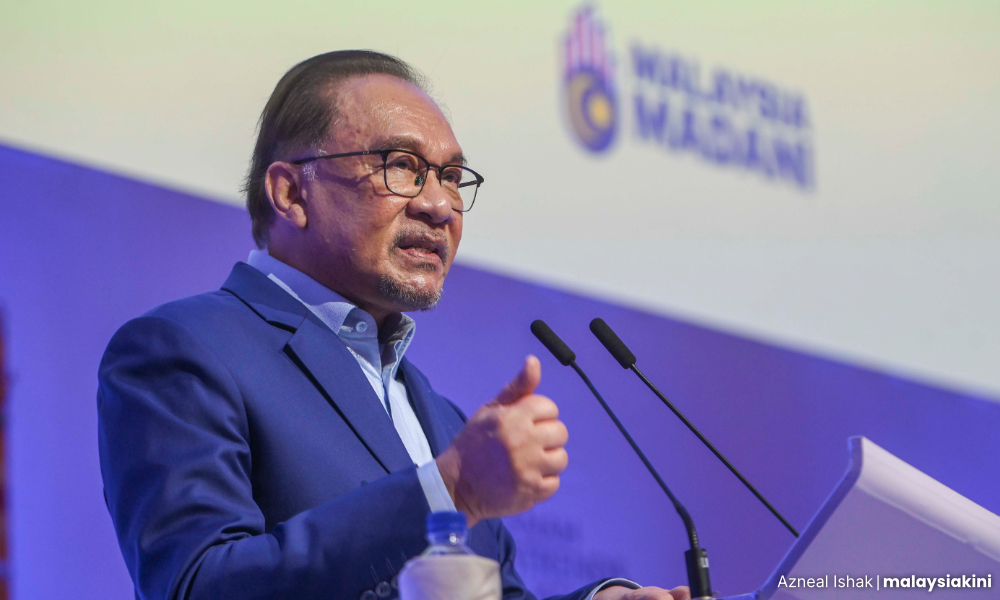
Anwar - the voice of marhaen?
Prime Minister Anwar Ibrahim said he will eradicate hard-core poverty by the end of 2023. This is a tall order which even many first-world countries grapple to solve. Now we are at the end of 2024. One wonders if there are any statistics on this.
I am sure hard-core poverty exists in every town and rural area in the country, more prevalent in the East Coast and East Malaysia.
Anwar’s rhetoric and oratory skills have always been pro-marhaen and the poor. He is the prime minister who has used the term “Maha Kaya” (super rich) compared to previous leaders. His government is called the Madani government, emphasising the need for a caring society and government.
Upon coming to power in late 2022, one of the first things Anwar did was call up tycoon Syed Mokhtar Al-Bukhary and make him allocate RM10 million to the poor paddy farmers.
Recently, he increased civil servant wages significantly and said that no government workers should be paid less than RM2,000. He asked the private sector to follow in the government's footsteps.
He praised Khazanah when it gave RM3,000 as its minimum wage. He declined his salary. He was pissed off with developers who were reluctant to share their space with the lower-cost apartments.
Anwar did say that he is not interested in building the tallest or biggest buildings but rather wants to do what needs to be done for the rakyat and uplift the poor.
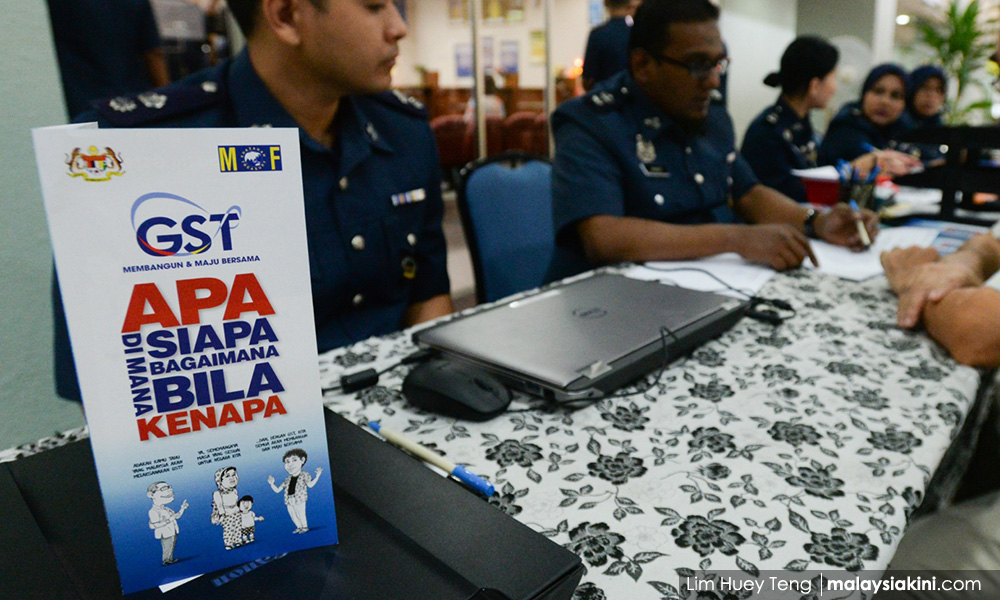
Recently at the Chinese Chambers of Commerce and Industry's (ACCCIM) 78th Annual General Meeting, Anwar said he will not implement the GST because GST will tax all the people including the poor and he doesn’t want to burden the poor with higher taxes unless their wages are raised.
When Anwar announced a subsidy rationalisation, PSM welcomed it, as subsidies should be used to help the poor. Why must the rich get subsidies as well?
Recently, Anwar talked about how education subsidies should not be for the rich. All this makes Anwar look like the Malaysian version of US senator Bernie Sanders.
Pension scheme
Now let me bring up the issues faced by the communities in Gabungan Marhaen and see if the Madani government have kept to their word.
Some say Anwar performs well on stage but not on the ground. Is Anwar’s rhetoric sheer rhetoric? Let me now talk about the flip side of these same arguments.
Two days ago, on Oct 15, more than 200 people gathered in flooded Kuala Lumpur outside Parliament carrying umbrellas asking the government to make a pension scheme for those above 65 years old.
The simple fact is we are an ageing society, there is hardly money left in EPF savings for those who have while the remaining ageing population are mostly not formal workers and are not even entitled to EPF.
It will only cost three percent of the total budget for the Madani government to start a pension scheme for those above 65.

On the other end, when we speak about the pension scheme, it is overburdened and seems unsustainable. Now who takes the bulk of the pension - the marhaen or the politicians? Huge pensions go to politicians who are entitled after serving for just five years.
Will the Madani prime minister have the will to reform these perks? If we say the rich are not entitled to cheap petrol and diesel, why then do pensions go to a selected group of people?
One of the Malaysian essential workers is cleaners and security guards in government hospitals and schools. These former permanent government workers are now insecure contract workers employed by government-paid contractors.
They are the victims of the 1996 privatisation project of Dr Mahathir Mohamad and today, one reason why the government does not want to absolve them is because it will strain our pension schemes.
Now here are the contradictions - where would the Madani government tilt to? The marhaen or their crony contractors?
Private and government healthcare
When the PSM supported the move to get rid of petrol subsidies for the rich, we expected the government to use the money to increase the health budget.
However, what we get is an announcement that the government wanted to open private wings in government hospitals.
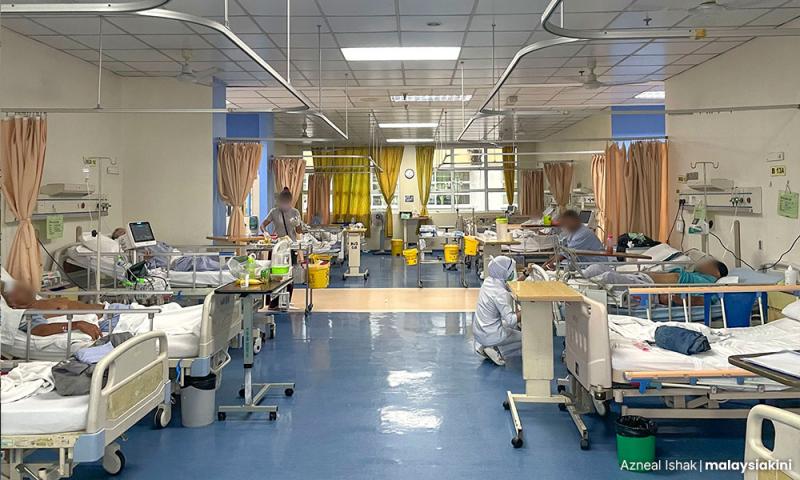
This will compromise the quality of time and healthcare for the marhaen. Yet, the Madani and its masters seem to be more inclined to build a private wing in the government hospitals; to take away government resources for higher-paying patients.
Why not the Madani government instead push for a public wing in private hospitals? The National Heart Institute, Subang Jaya Medical Centre, Prince Court, Gleneagles and KPJ are all GLC hospitals where the government holds the major shares.
Isn’t it ironic for the Madani government to further erode public healthcare while still making profits from its GLC-run private hospitals?
Zero-cattle policy and food security
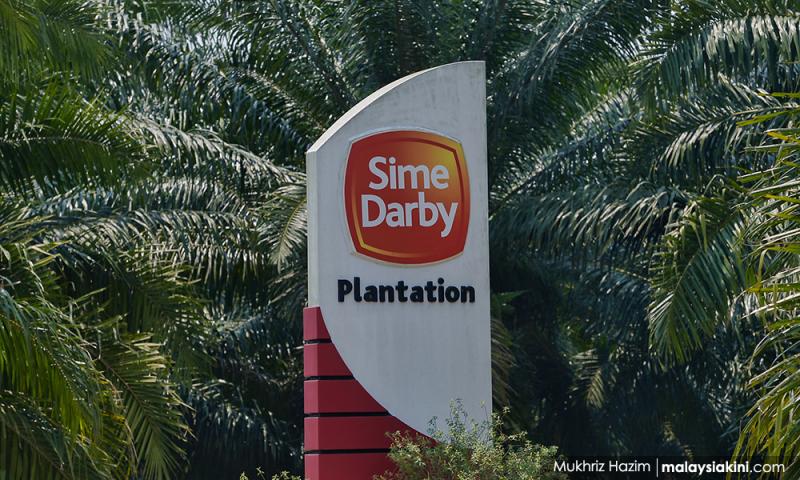
Talking about GLC, another GLC Sime Darby recently went into a zero-cattle policy and the victims were the cattle farmers, many of whom are plantation workers, and their families. This policy will uproot the livelihoods of those who have been rearing cattle for more than 60 years.
In the 1970s, second prime minister Abdul Razak Hussein encouraged plantation workers to rear cows on plantation land to sustain their income but today, Sime Darby is trying to evict these hard-working, independent farmers.
If the zero-cattle policy becomes successful, then it means that we need to import more milk and meat, our imports will increase, the price of goods will rise, local farms will lose their income and our food security will be seriously impacted.
Now if we zero in on the prime minister’s seat in Tambun, one will find hardworking farmers who have been farming for generations and producing huge food crops being evicted, bullied and displaced by the Perak state government.
When the farmers went to see Anwar’s aide, they said the prime minister had no power over state affairs.
Their land is grabbed by rich property owners and the fertile lands are converted to industrial and mining needs. The state government is instead suing the activist and the farmers while the MP who is the prime minister has closed his eyes on the plight of the marhaen.
Another marhaen community facing a sad situation is the Orang Asli community as they continue to face challengers from timber and Musang King plantations which have been given licences by the government. The plight of these communities continued to be ignored.
Today, there is going to be another public hearing as there are plans to develop the remaining 10.5ha where Ladang Bukit Jalil is; the last two remaining estates in Klang Valley. Plantation workers have toiled there for three to four generations. Today, they don’t have a home.
The Plantation Workers Support Committee is trying hard to get the government to enact a law to protect long-term plantation workers to secure at least low-cost homes. This legislation is not on the government agenda or priority.
The Kuala Kubu Baharu by-election in May saw workers from five estates being promised with construction of low-cost terrace houses, but they cannot just rely on by-elections for houses to be built.
Memorandums and draft laws have been presented to the government without much feedback.
E-hailing drivers and gig workers
In July last year, Anwar had an audience with a huge number of e-hailing drivers and gig workers. They spoke passionately about how low they were paid. Upset by this, Anwar promised to talk to the e-hailing companies. The dates were fixed.
Today, most e-hailing drivers and those on the platform say that they are worse off now than a year ago. They remain lowly paid.
Minimum and ceiling wages
The low-earning workers look up to Anwar and his government to raise their income. The premier has already said the private sector needs to emulate the public sector in giving a minimum wage of RM2,000.
However, as Mydin Boss Ameer Ali Mydin said, he had asked Anwar to force employers to pay higher minimum wage because, without force, they would not do it.
The Auditor-General report said wages for those in GLCs, which could go from RM100,00 to RM900,000 monthly for the CEOs, need to be looked and there must be a cap on this. These obscene figures are allowed while increasing the minimum wage seems to be an uphill task.
The government has also allowed the private sector to bring in cheap labour from abroad, and the processes have been made easy. These are policies that make only the employers happy. The wages for marhaen are further suppressed.
So, as we celebrate the International Day for the Eradication of Poverty today, will the prime minister live up to his pro-marhaen charm or will this hope be betrayed yet again?
PSM DEPUTY CHAIRPERSON S ARUTCHELVAN is hoping for a budget for the many and not a few.
The views expressed here are those of the author/contributor and do not necessarily represent the views of Malaysiakini.
/file/publisher-c1a3f893382d2b2f8a9aa22a654d9c97/2023/11/6eefa172692f5c9bf2b66c9ff0cecf47.jpg)
/file/publisher-c1a3f893382d2b2f8a9aa22a654d9c97/2020/11/f9fb2fee05dd63dd0673eb975e7fa8f4.jpg)
/file/1199/2f17fa3424480b55aacd84f7f1e57ec6.jpeg)
/file/1309/a243c3e17edada92e58bcedd712d316f.jpeg)
/file/publisher-c1a3f893382d2b2f8a9aa22a654d9c97/2022/04/e979277b74601a6d97eaa5a5de76d26b.jpg)


Report this comment
Are you sure you want to delete this comment?
This action cannot be undone.