


/file/publisher-c1a3f893382d2b2f8a9aa22a654d9c97/2021/06/6966be602205d8bffff5d66152fad3a9.jpg)

COMMENT | Online Safety Act necessary shield for digital era
COMMENT | In an era where digital connectivity is both a necessity and a vulnerability, Malaysia is taking bold steps to ensure its citizens are protected from the dangers of the online world.
The proposed Online Safety Act (Onsa), alongside amendments to existing legislation such as the Penal Code and Criminal Procedure Code, represents a cohesive effort to tackle the growing threats of cybercrime, harassment, and digital exploitation.
Complementing these efforts are updates to Malaysia’s cyber laws through the Communications and Multimedia (Amendments) Bill 2024 and the Malaysian Communications and Multimedia Commission (MCMC) (Amendment) Bill 2024, introduced by Communications Minister Fahmi Fadzil.
Together, these measures underline the government’s commitment to safeguarding its people while fostering trust and accountability in the digital ecosystem.
COMMENT | In an era where digital connectivity is both a necessity and a vulnerability, Malaysia is taking bold steps to ensure its citizens are protected from the dangers of the online world.
The proposed Online Safety Act (Onsa), alongside amendments to existing legislation such as the Penal Code and Criminal Procedure Code, represents a cohesive effort to tackle the growing threats of cybercrime, harassment, and digital exploitation.
Complementing these efforts are updates to Malaysia’s cyber laws through the Communications and Multimedia (Amendments) Bill 2024 and the Malaysian Communications and Multimedia Commission (MCMC) (Amendment) Bill 2024, introduced by Communications Minister Fahmi Fadzil.
Together, these measures underline the government’s commitment to safeguarding its people while fostering trust and accountability in the digital ecosystem.
Holding platforms accountable
At the heart of these legislative updates is the principle of accountability, especially among social media platforms and service providers.
The Online Safety Act seeks to address the misuse of these platforms, holding them responsible for monitoring and removing harmful content, reporting suspicious activities, and cooperating with law enforcement.
This approach is bolstered by the proposed amendments to Section 233 of the Communications and Multimedia Act, which expands its scope to include not just harassment but also fraud and dishonesty.

These updates reflect the government’s recognition of the evolving nature of digital threats and its determination to align legal frameworks with modern challenges. The amendments also introduce new provisions, such as Section 233A, which criminalises unsolicited commercial electronic messages.
Spam and unwanted marketing messages, which often serve as gateways for scams and fraud, will now be decisively curtailed under these measures.
By addressing these issues, the legislation aims to create a safer and less intrusive online environment.
Furthermore, the MCMC’s expanded role, including the auditing of service providers and an increased contract value limit, ensures greater oversight and efficiency in managing Malaysia’s digital infrastructure.
While these systemic measures focus on regulating platforms and service providers, the Online Safety Act and related Penal Code amendments directly target harmful online behaviours.
Addressing harassment and cyberbullying
The Online Safety Act and related Penal Code amendments represent a significant step forward in addressing harmful online behaviours in Malaysia. Recent proposals by Minister in the Prime Minister’s Department (Law and Institutional Reforms) Azalina Othman Said introduce targeted penalties for cyberbullying, doxxing, and malicious communication, tackling some of the most pressing issues in today’s digital landscape.

Sections such as 507B and 507E criminalise threatening, abusive, or insulting communication that causes harassment, distress, or harm, as well as the malicious circulation of personal information, commonly known as doxxing.
These provisions reflect the government’s acknowledgement of the severe psychological toll such actions have on victims, especially among youth and vulnerable groups.
Crucially, the amendments impose harsher penalties for actions that provoke self-harm or suicide, reflecting the government’s commitment to tackling the most devastating impacts of digital abuse.
For example, if a provocation leads to a suicide attempt, offenders could face up to 10 years in prison. This sends a strong signal that such behaviours will not be tolerated.
Victims now have a clear legal framework to seek justice, which serves both as a deterrent to offenders and a pathway to empowerment for those affected.
These laws, aligned with global best practices, dismantle the impunity often associated with online abuse.
By combining individual accountability with platform regulation, Malaysia is fostering a safer, more inclusive digital ecosystem that prioritizes user safety and societal well-being.
Protecting vulnerable groups
Another critical element of this legislative package is the protection of vulnerable groups, particularly children.
The digital space, while offering opportunities for education and connection, can also expose minors to exploitation and grooming.
Recent investigations into child grooming groups operating on social media highlight the urgent need for robust safeguards.
Malaysia’s approach, however, remains balanced - unlike Australia’s proposed ban on social media access for children under 16 without parental consent.
Instead, Malaysia opts for more practical measures, such as parental controls, age verification systems, and stricter platform accountability, ensuring safety without overly restricting access.
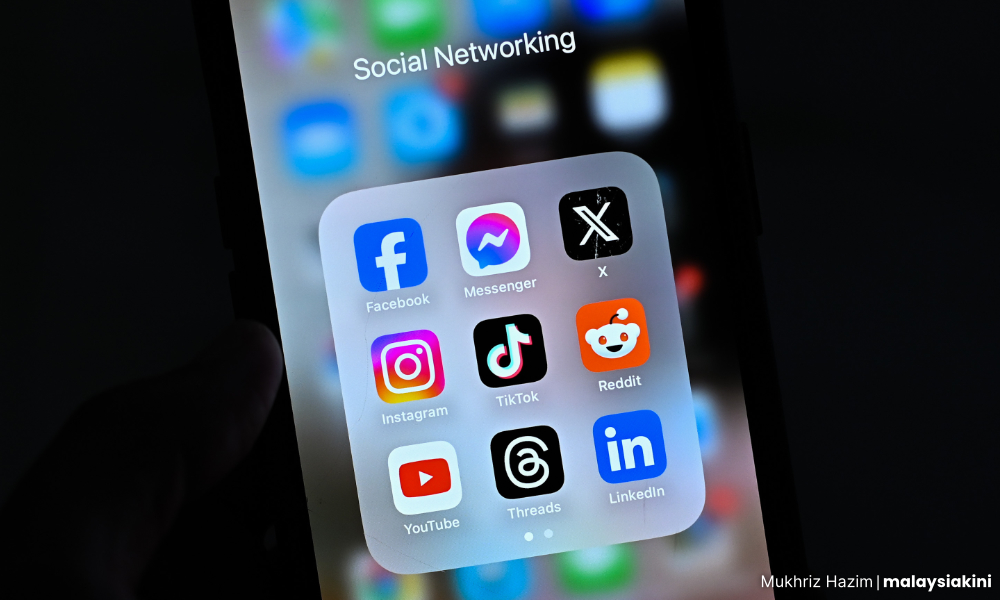
The Madani government’s emphasis on online safety also reflects its broader commitment to protecting users and strengthening digital innovation.
By updating Malaysia’s cyber laws through amendments to the Communications and Multimedia Act and the MCMC Act, the government is addressing gaps in the regulatory framework that have allowed cybercrimes to proliferate.
The expansion of MCMC’s auditing authority ensures transparency in service providers’ operations, enhancing trust among users.
Tackling financial impacts of cybercrime
Cyberbullying and harassment are not the only pressing issues in Malaysia's digital landscape; financial scams remain a significant concern. The nation recorded staggering losses of RM1.224 billion to online scams in 2024 alone, emphasising the urgent need for enhanced measures to combat this pervasive threat.
The proposed Online Safety Act, with its emphasis on platform accountability, combined with amendments empowering law enforcement, represents a unified approach to tackling such crimes.
Prime Minister Anwar Ibrahim highlighted the gravity of the situation, stating, “These crimes, including e-commerce fraud, love scams, and non-existent investments, are causing significant financial losses and emotional distress to our people. The government will not tolerate such exploitation and will ensure the perpetrators are brought to justice.”

He also underscored the importance of technological tools in prevention, noting that the Semak Mule portal, which has intercepted countless fraudulent transactions, is a vital component in the fight against financial crime.
Malaysia can draw inspiration from the UK’s mandatory reimbursement policies, which hold banks accountable for fraud-related losses caused by negligence.
“We need to incentivise financial institutions to adopt stricter security measures, ensuring that consumers are adequately protected,” Anwar added.
Balancing regulation and freedom of speech
The Online Safety Act has drawn attention to the delicate balance between regulation and freedom of speech. Critics often express concerns that increased oversight could lead to censorship or the curtailing of legitimate discourse.
However, the Act has been carefully designed to ensure that freedom of expression is preserved while safeguarding the public from the dangers of harmful content.
This balanced approach demonstrates that safety and freedom can coexist in the digital age.
Anwar has emphasised that protecting freedom of speech does not mean allowing harmful behaviour to flourish unchecked.
“Freedom of speech is not absolute; it must be exercised with responsibility. Our primary duty is to protect the people, especially the vulnerable, from harm,” he remarked during a recent parliamentary session.
The Act, therefore, targets actions like cyberbullying, disinformation, and fraud, which pose real threats to individuals and society, without encroaching on the public’s ability to engage in open and meaningful dialogue.
By incorporating transparent enforcement mechanisms and judicial oversight, the Act ensures that the enforcement of online regulations is fair and proportional.
These safeguards are vital to building trust among users and stakeholders, reinforcing the idea that the Act is a tool for protection, not oppression.
In an era where misinformation spreads quickly, protecting the masses must take precedence over unchecked freedom.
Freedom must be paired with accountability to ensure that the digital space remains inclusive, constructive, and safe for everyone.
Public awareness and advocacy
Organisations like Pertubuhan Sukarelawan Siber Selamat (CyberSafe) play an essential role in supporting the objectives of the Online Safety Act and related legislative measures.
CyberSafe’s mission to promote safe and ethical online practices complements the government’s efforts to create a safer digital environment for all Malaysians. By focusing on raising awareness about online scams, combating misinformation, and addressing cyberbullying and harassment, CyberSafe acts as a bridge between policy and public understanding.
Through education and advocacy, CyberSafe empowers individuals and communities to navigate the complexities of the digital world with confidence and resilience.
Public awareness campaigns, workshops, and collaborative initiatives ensure that users are not only informed about the risks of the online space but also equipped with tools to protect themselves and others.
These efforts foster a culture of accountability and shared responsibility, ensuring that legal protections are amplified by informed and engaged communities.
The organisation's commitment to advocacy extends beyond education, serving as a vocal proponent of policies that enhance cybersecurity and online ethics.
By uniting communities, government agencies, and industry stakeholders, CyberSafe exemplifies the power of collective action in addressing digital challenges.
In doing so, it ensures that the principles of the Online Safety Act reach every corner of society, fostering trust and safety in Malaysia’s digital ecosystem.
A vision for a safer cyberspace
The introduction of the Online Safety Act, alongside amendments to existing laws and the MCMC’s proactive initiatives, represents a transformative moment in Malaysia’s digital journey.
These measures form a comprehensive and cohesive strategy to address the multifaceted challenges of cybercrime, harassment, and exploitation, ensuring that the digital ecosystem remains a space of opportunity, innovation, and safety for all.
By combining legal accountability, industry collaboration, and active public involvement, the government has crafted a forward-thinking framework to protect its citizens while fostering trust in the digital space.
This approach not only mitigates immediate threats but also lays the groundwork for a sustainable, inclusive digital future.
Malaysia’s commitment to these initiatives sets a regional benchmark, demonstrating how robust laws and community engagement can harmonise to build a secure, empowering, and ethical digital environment for generations to come.
RAZIZ RASHID is a strategic communications consultant and chairperson for Pertubuhan Sukarelawan Siber Selamat (CyberSafe).
The views expressed here are those of the author/contributor and do not necessarily represent the views of Malaysiakini.
/file/publisher-c1a3f893382d2b2f8a9aa22a654d9c97/2024/12/58921f6117e3ce2cb140cd32b2ed85cf.jpg)
/file/1157/17266b8b2c1c6f306ef5e588df1867c8.jpeg)
/file/publisher-c1a3f893382d2b2f8a9aa22a654d9c97/2024/08/6cabe2b4853cdb163548e95613113034.jpg)
/file/publisher-c1a3f893382d2b2f8a9aa22a654d9c97/2024/08/589df61d5177c5d06306afcb888a56cc.jpg)
/file/publisher-c1a3f893382d2b2f8a9aa22a654d9c97/2022/08/5032a84dc32ef0c22c26a44dffeb91d9.jpg)


Report this comment
Are you sure you want to delete this comment?
This action cannot be undone.