


/file/publisher-c1a3f893382d2b2f8a9aa22a654d9c97/2024/08/589df61d5177c5d06306afcb888a56cc.jpg)

Online safety laws must protect rights, prevent overreach, group says
The Online Safety Advocacy Group (Osag) has voiced concern about the government’s proposed Online Safety Bill and amendments to the Penal Code aimed at combating cyberbullying.
While welcoming efforts to address online harms, the group cautions that the laws must balance the need for protection with the fundamental right to freedom of expression.
The Online Safety Advocacy Group (Osag) has voiced concern about the government’s proposed Online Safety Bill and amendments to the Penal Code aimed at combating cyberbullying.
While welcoming efforts to address online harms, the group cautions that the laws must balance the need for protection with the fundamental right to freedom of expression.
In a recent memorandum to the Prime Minister’s Department, Osag outlined its concerns about the government’s approach to regulating online safety.
The group emphasised the need for a thoughtful, inclusive process that takes into account the voices of all key stakeholders, particularly those representing children, women, and persons with disabilities.
“We are also waiting to receive and provide consultation on the final version of the government’s amendment bills before they are tabled in Parliament,” it said.
More transparency, consultation needed
Osag argues that the government’s process of drafting the Online Safety Bill and cyberbullying amendments has been rushed, leaving key groups underrepresented.
Previously, the government indicated that the Online Safety Bill and amendments to the Penal Code were aimed at curbing criminal activities on social media instead of restricting freedom of expression.
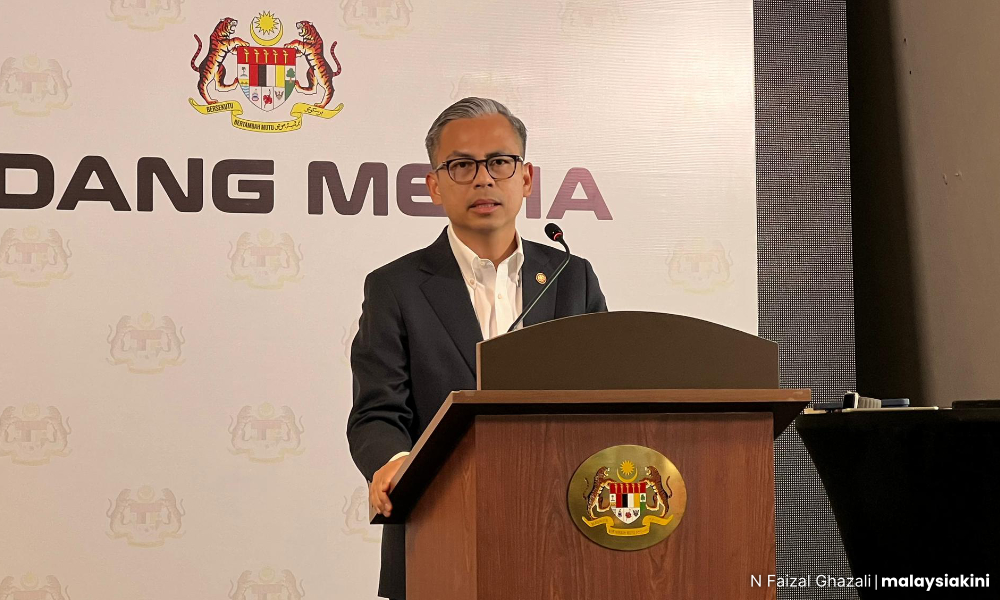
Communications Minister Fahmi Fadzil explained that it will also ensure that social media platform operators are more proactive in curbing criminal activities on their respective platforms to avoid facing action.
Notably, there has been no indication that children - the primary victims of online abuse - have been consulted.
Osag calls for a delay in the introduction of the legislation until a more comprehensive consultation process is conducted, ensuring that the laws reflect the needs and concerns of all affected parties.
“The urgency of addressing online safety cannot justify bypassing a thorough and inclusive consultation process,” the memorandum states.
“Only through an inclusive approach can the government ensure that the laws effectively address the real needs of all affected parties while balancing and protecting our fundamental rights.”
One of Osag’s key concerns is the lack of transparency regarding the full scope of the government’s legislative agenda on online harms.
The group said it has not been informed of other laws the government plans to amend or introduce, raising concerns about the potential for overlapping or contradictory regulations.
“Stakeholders must be informed of all legislation and regulations that the government intends to enact,” Osag asserts, emphasising the need for a clear understanding of how different laws will intersect and impact the public.
Bullying, harmful content, and scams
Osag also criticised the government’s plan to include anti-cyberbullying offences within the Penal Code, suggesting that this could result in the duplication of existing offences, such as criminal intimidation.
Instead, the group advocates for a separate, specialised law to address cyberbullying, which should distinguish between children and adults in terms of liabilities, sanctions, and enforcement.
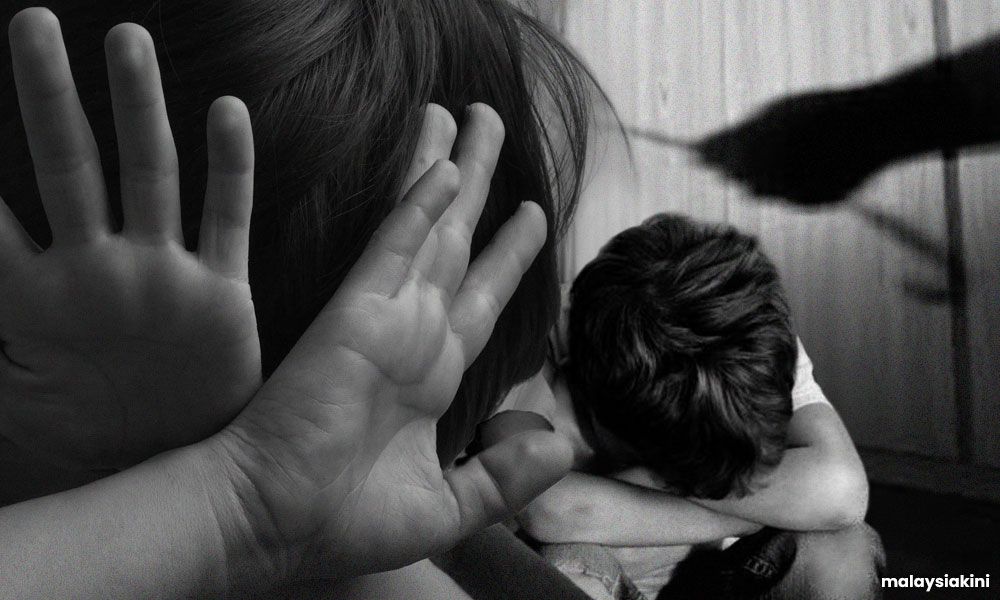
“The law should not criminalise children for peer-to-peer bullying,” Osag argues, advocating for non-punitive, educative, and restorative measures to address the issue.
The group also calls for clearer definitions of harmful content, particularly in cases of cyberbullying, to avoid broad or vague language that could lead to misuse and censorship.
On online scams, Osag warns against including them in the Online Safety Bill as these offences are better suited to existing cybercrime laws.
The group highlighted that recent amendments to the Penal Code already addressed online financial scams and should not be conflated with online safety concerns, which involve different regulatory authorities.
Osag also raised alarms about the potential misuse of the Online Safety Bill to restrict freedom of expression, citing Malaysia’s history of using laws to stifle free speech.
Instead, the group said, the government should establish clear and precise definitions of “harmful content” that adhere to international standards.
Osag said any restrictions on free speech should also meet a “three-part test” - that it was explicitly provided for by law, serves a legitimate purpose such as national security or public health, and is necessary and proportionate in a democratic society.
Safety by design
On the growing concern about online harms, Osag proposes that online service providers focus on “safety by design.”
This would involve creating platforms that anticipate, detect, and eliminate harmful content before it spreads, particularly material such as child sexual abuse images and non-consensual intimate content.
The group also calls for child-friendly reporting mechanisms to ensure victims can easily report abuse without fear of retribution.
Finally, Osag stresses the need for an independent body to oversee the enforcement of the Online Safety Act.
It argues against placing the responsibility in the hands of the Communications Ministry or the Malaysian Communications and Multimedia Commission, which lacks the necessary independence and expertise.
“We recommend that an independent, multi-stakeholder commission be established to ensure fair and transparent enforcement,” the group concludes, suggesting that such a body would be better equipped to balance online safety with the protection of human rights.
Finally, Osag called on the government to craft a regulatory framework that protects children and society at large from online harms, while safeguarding fundamental freedoms like freedom of expression, privacy, and access to information.
Achieving this balance, the group argued, is essential for creating a safe and open digital environment in Malaysia.
/file/publisher-c1a3f893382d2b2f8a9aa22a654d9c97/2022/08/5032a84dc32ef0c22c26a44dffeb91d9.jpg)
/file/publisher-c1a3f893382d2b2f8a9aa22a654d9c97/2024/11/84488ab856c5333dddcc88ad3e08c039.jpg)
/file/publisher-c1a3f893382d2b2f8a9aa22a654d9c97/2024/11/fe35970561c23c81671a1614e28ecbee.jpg)
/file/publisher-c1a3f893382d2b2f8a9aa22a654d9c97/2024/11/f41fbb3cc6470f661c1f3946829088df.jpg)
/file/publisher-c1a3f893382d2b2f8a9aa22a654d9c97/2024/11/2cc174332046f5ffaa5109a9fccb245d.jpg)
/file/publisher-c1a3f893382d2b2f8a9aa22a654d9c97/2024/11/7ca22c3e87dff1378e9b9a6e0651eaa8.jpg)


Report this comment
Are you sure you want to delete this comment?
This action cannot be undone.