


/file/publisher-c1a3f893382d2b2f8a9aa22a654d9c97/2019/07/7e0a3da7e01db042697fa2b69d55f492.jpg)

COMMENT | A comprehensive review of sexual harassment in M'sia
COMMENT | Sexual harassment is a pervasive and deeply entrenched issue that transcends geographical, cultural, and professional boundaries, manifesting across diverse industries and social strata.
In Malaysia, the gravity of this issue has been starkly underscored by recent high-profile cases, such as the allegations involving a professor at the prestigious Universiti Malaya.
These incidents have cast a glaring spotlight on the alarming prevalence of sexual misconduct and its profound emotional and psychological toll on victims, often leaving them grappling with trauma, shame, and isolation.
Additionally, they highlight significant gaps in Malaysia’s legal frameworks, enforcement mechanisms, and public awareness efforts, which often fail to provide victims with adequate support or a pathway to justice.
The lack of robust preventative measures and institutional accountability has perpetuated a culture of silence, where victims are hesitant to come forward, fearing stigma or retaliation.
COMMENT | Sexual harassment is a pervasive and deeply entrenched issue that transcends geographical, cultural, and professional boundaries, manifesting across diverse industries and social strata.
In Malaysia, the gravity of this issue has been starkly underscored by recent high-profile cases, such as the allegations involving a professor at the prestigious Universiti Malaya.
These incidents have cast a glaring spotlight on the alarming prevalence of sexual misconduct and its profound emotional and psychological toll on victims, often leaving them grappling with trauma, shame, and isolation.
Additionally, they highlight significant gaps in Malaysia’s legal frameworks, enforcement mechanisms, and public awareness efforts, which often fail to provide victims with adequate support or a pathway to justice.
The lack of robust preventative measures and institutional accountability has perpetuated a culture of silence, where victims are hesitant to come forward, fearing stigma or retaliation.

This growing crisis demands a comprehensive reevaluation of societal attitudes, systemic responses, and legal protections to ensure a safer and more equitable environment for all individuals.
Current legal framework in Malaysia
Malaysia’s legal response to sexual harassment is primarily governed by the Employment Act 1955 (amended in 2022) and the Penal Code.
The Employment Act now obligates employers to investigate complaints of sexual harassment promptly and imposes penalties for failure to act, signifying progress in workplace protections.
Similarly, Section 509 of the Penal Code criminalises actions intended to insult the modesty of an individual, punishable by imprisonment of up to five years, a fine, or both, thereby addressing certain forms of misconduct.
Despite these measures, the legal framework was previously fragmented, leaving many victims unprotected, particularly in public spaces or educational institutions, where workplace laws do not apply.
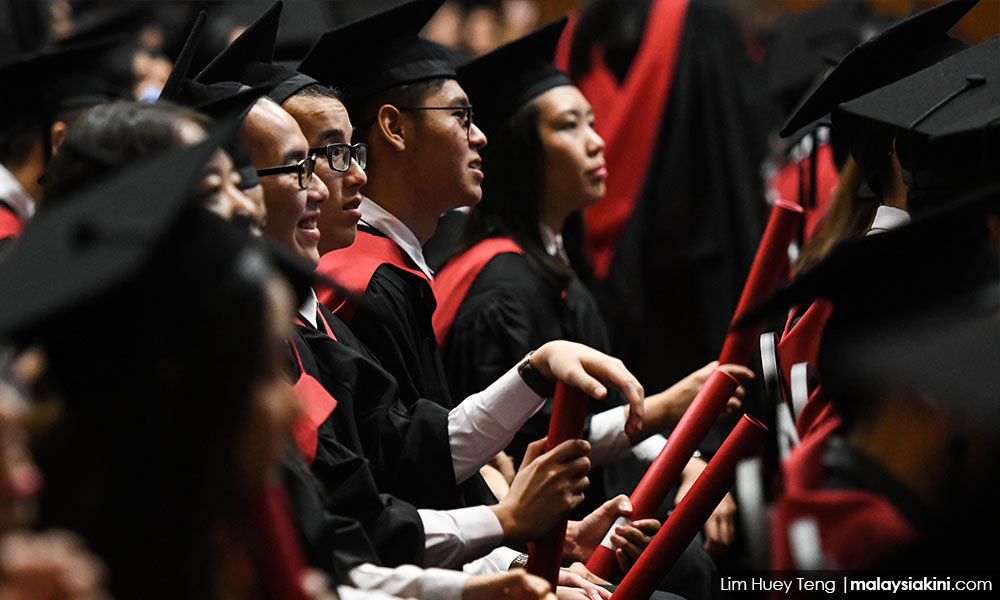
The introduction of the Sexual Harassment Act 2022 marked a significant milestone, expanding protections beyond workplaces and improving mechanisms for victims to report incidents without fear of reprisal.
However, glaring gaps persist, especially in addressing same-sex sexual harassment. The absence of explicit provisions for LGBTQ+ individuals within existing laws reflects societal and legislative hesitancy, leaving victims of same-sex harassment with limited legal recourse.
This inadequacy underscores the urgent need for inclusive reforms to ensure comprehensive protection for all.
Comparing Malaysia with other nations
When compared to countries like the United States and Sweden, Malaysia’s legal infrastructure still lags significantly in terms of inclusivity, clarity, and enforcement.
In the US, Title VII of the Civil Rights Act of 1964 explicitly prohibits sexual harassment in the workplace, and landmark court rulings have broadened this scope to include same-sex harassment, setting a precedent for comprehensive protection.
Similarly, Sweden’s Discrimination Act offers robust safeguards, addressing harassment based on gender identity, gender expression, and sexual orientation, reflecting the country’s progressive stance on equality and human rights.
In stark contrast, Malaysia’s legal framework does not explicitly recognise or address same-sex harassment, leaving a critical gap in protection for LGBTQ+ individuals.
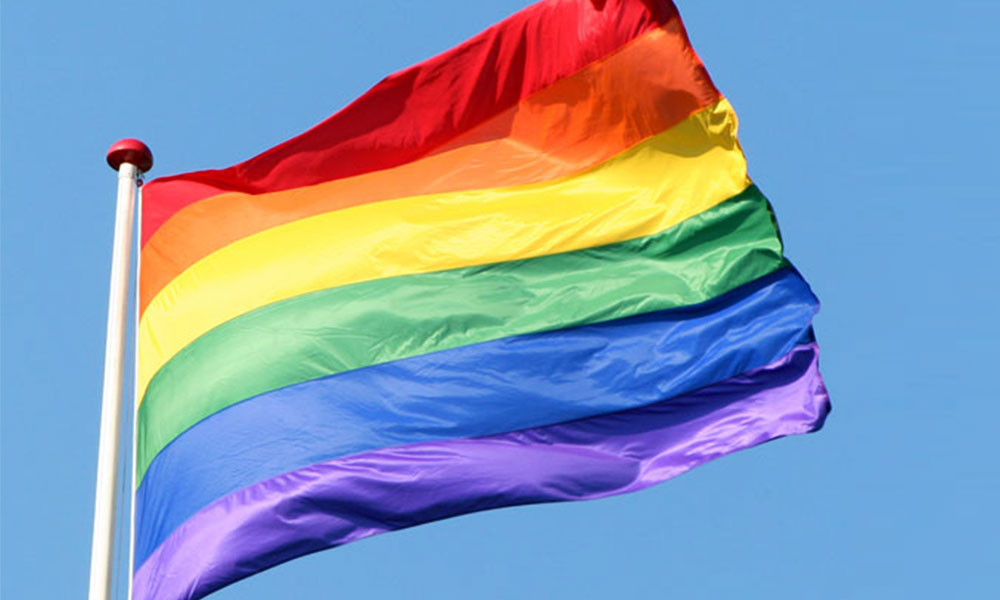
This omission can be attributed to prevailing cultural and religious conservatism, where issues related to non-heteronormative identities remain highly sensitive and often marginalised.
Consequently, the absence of clear legal provisions for same-sex harassment fosters systemic barriers to justice, deterring victims from coming forward due to fear of stigma or dismissal.
Malaysia’s reluctance to adopt an inclusive approach perpetuates inequality, underscoring the need for reforms that align with international standards of justice and human rights.
Setbacks in law enforcement
Law enforcement on sexual harassment in Malaysia continues to grapple with significant challenges, undermining the protection and justice victims deserve.
1. Stigma and silence: Societal attitudes often discourage victims from reporting incidents.
Deeply ingrained cultural norms and fears of judgment or ostracism compel many to remain silent, allowing perpetrators to act with impunity.
Victims also worry about retaliation or further harassment, especially in professional and academic settings, where power dynamics are skewed in favour of the aggressor.
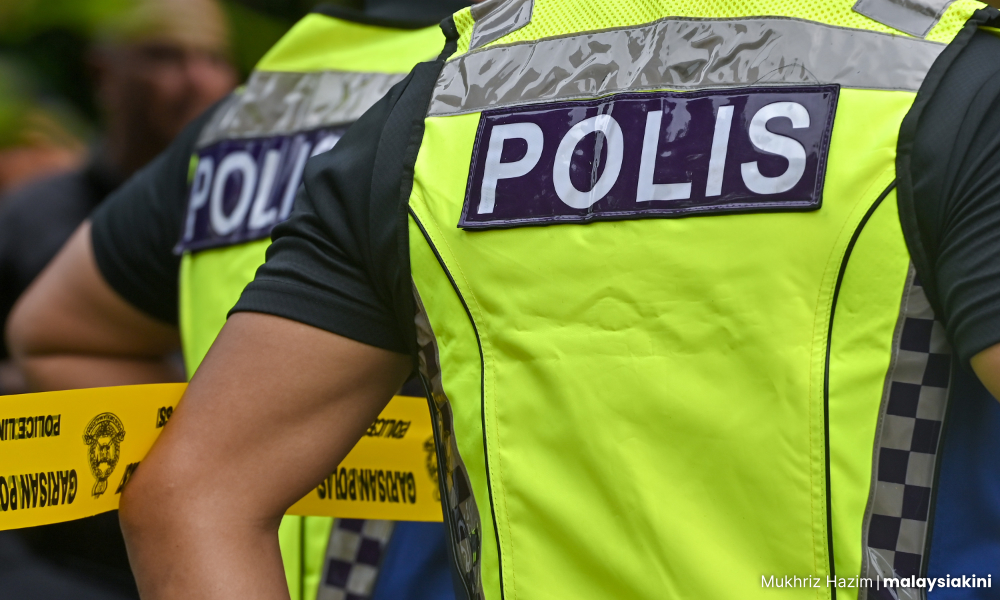
2. Insufficient training: Law enforcement personnel and judicial authorities often lack the requisite training to handle sexual harassment cases with sensitivity and expertise.
This results in mishandled complaints, victim-blaming, and, in extreme cases, secondary trauma for survivors during legal proceedings.
3. Legal ambiguities: The absence of explicit provisions addressing same-sex harassment in Malaysian law leaves a significant gap in protection.
LGBTQ+ individuals face an uphill battle, as their cases are often ignored or dismissed due to societal taboos and a lack of legal clarity. This legislative gap fosters a culture of impunity among perpetrators targeting LGBTQ+ individuals.
4. Prolonged legal processes: Delays in investigations and trials deter victims from pursuing justice.
The drawn-out nature of these proceedings further compounds victims’ trauma, making it difficult for them to move forward with their lives.
Emotional toll on victims
Sexual harassment and same-sex harassment exact a profound emotional and psychological toll on victims.
Survivors often experience severe mental health challenges, including anxiety, depression, and post-traumatic stress disorder (PTSD).

News reports have highlighted cases where victims faced career derailment, public humiliation, and even suicidal thoughts due to the harassment they endured.
For example, high-profile cases in corporate and educational settings have shown that victims are frequently shamed, disbelieved, or left unsupported by their communities.
The humiliation and isolation caused by these incidents often create a cycle of silence, where victims internalise their suffering and hesitate to seek help.
Solutions and recommendations
1. Legislative reform: Amend the Penal Code to explicitly recognise all forms of sexual harassment, including same-sex harassment, ensuring comprehensive protection for all individuals regardless of gender or orientation.
Strengthen punitive measures to create a deterrent effect and establish clear, enforceable guidelines for addressing harassment in various settings, including workplaces, public spaces, and online platforms.

2. Public awareness campaigns: Launch extensive, nationwide campaigns to foster awareness about harassment laws, the significance of consent, and available reporting mechanisms.
Incorporate educational initiatives in schools and workplaces to challenge stereotypes, reduce stigma, and encourage victims to come forward.
Media platforms can play a pivotal role in disseminating these messages to reach diverse demographics effectively.
3. Victim support systems: Establish accessible and well-funded support networks for survivors, offering counselling, legal aid, and helplines operated by trained professionals.
Create safe spaces where victims can share their experiences confidentially without fear of reprisal or judgment.
Expand collaboration with NGOs and advocacy groups to ensure survivors receive holistic support tailored to their unique needs.
4. Training for law enforcement: Implement rigorous sensitivity training programs for police officers, prosecutors, and judiciary personnel to equip them with the skills and empathy necessary to handle cases effectively.
These programmes should focus on victim-centred approaches, cultural competency, and strategies for minimising secondary trauma during investigations and trials.
5. Swift legal proceedings: Streamline the judicial process by allocating more resources to reduce case backlogs and expedite investigations.
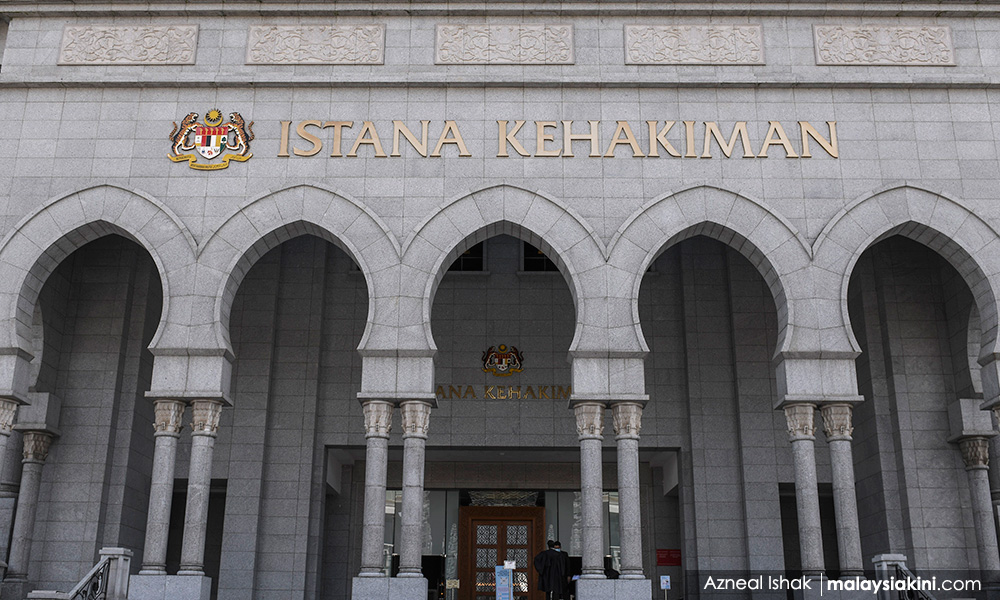
Introduce specialised tribunals or fast-track mechanisms for sexual harassment cases to ensure that justice is not delayed.
Prompt resolutions empower victims to begin their recovery journey and reinforce trust in the legal system.
Conclusion
Sexual harassment and same-sex harassment are not only pervasive but deeply ingrained societal challenges that require both legislative reforms and cultural shifts.
While Malaysia has taken an important step with the introduction of the Sexual Harassment Act 2022, significant gaps remain in ensuring that the law is inclusive and effectively enforced, particularly concerning same-sex harassment.
By drawing lessons from international best practices, such as robust legal frameworks and victim support systems, Malaysia can implement more comprehensive measures.
Cultivating empathy, dismantling societal stigmas, and addressing systemic barriers are key to creating a safer, more just, and equitable society for all citizens, where victims feel empowered to seek justice and healing.
REED FLUTE is a teacher who likes reading, writing, and travelling.
The views expressed here are those of the author/contributor and do not necessarily represent the views of Malaysiakini.
/file/publisher-c1a3f893382d2b2f8a9aa22a654d9c97/2022/09/00ace9b07f487d0cd1926a280832cb8c.jpg)
/file/publisher-c1a3f893382d2b2f8a9aa22a654d9c97/2019/03/87e219449450bee7cd1147ecd37acf04.jpg)
/file/1355/1895762f5f7d6db3ddc02240004b9091.jpeg)
/file/publisher-c1a3f893382d2b2f8a9aa22a654d9c97/2022/06/fb6d6161d629dbd7f94ec769e31a5561.jpg)
/file/publisher-c1a3f893382d2b2f8a9aa22a654d9c97/2024/12/d9cfb2e0b1f647e10826726e949e2c79.jpg)


Report this comment
Are you sure you want to delete this comment?
This action cannot be undone.