


/file/publisher-c1a3f893382d2b2f8a9aa22a654d9c97/2021/03/66445c953098ddaa72a9a3af0200ff5b.jpg)

COMMENT | Media freedom in Malaysia: Rhetoric or reality?
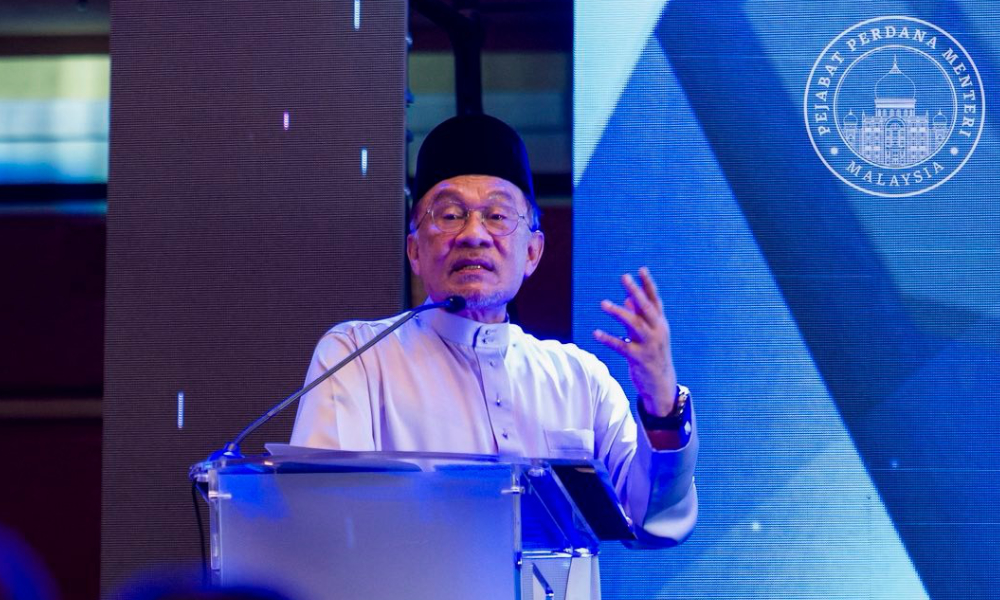
COMMENT | At the heart of Prime Minister Anwar Ibrahim’s speech during the National Journalists’ Day 2025 was a powerful message: media freedom is a pillar of democracy that must be preserved.
His words resonated with the ideals of press liberty, echoing the philosophies of Noam Chomsky and Thomas Jefferson on the perils of “manufacturing consent” and “tyranny of the majority”.
But beyond the grandeur of the podium and the eloquence of democratic aspirations, one must ask: Is there real media freedom in Malaysia? Or is it still a freedom carefully rationed, enjoyed only within the invisible lines drawn by power?
COMMENT | At the heart of Prime Minister Anwar Ibrahim’s speech during the National Journalists’ Day 2025 was a powerful message: media freedom is a pillar of democracy that must be preserved.
His words resonated with the ideals of press liberty, echoing the philosophies of Noam Chomsky and Thomas Jefferson on the perils of “manufacturing consent” and “tyranny of the majority”.
But beyond the grandeur of the podium and the eloquence of democratic aspirations, one must ask: Is there real media freedom in Malaysia? Or is it still a freedom carefully rationed, enjoyed only within the invisible lines drawn by power?
The Malaysian media tightrope
Malaysia’s media environment has long been a tightrope walk between progress and control.
Anwar’s call for journalists to remain professional and avoid becoming pawns of vested interests is valid.
Yet, history reminds us that the problem in Malaysia has not been a lack of professionalism among journalists - it has been the restriction of their ability to perform their duties freely.
Pattern of harassment, intimidation
Let’s not forget the cases that continue to stain our media freedom record.
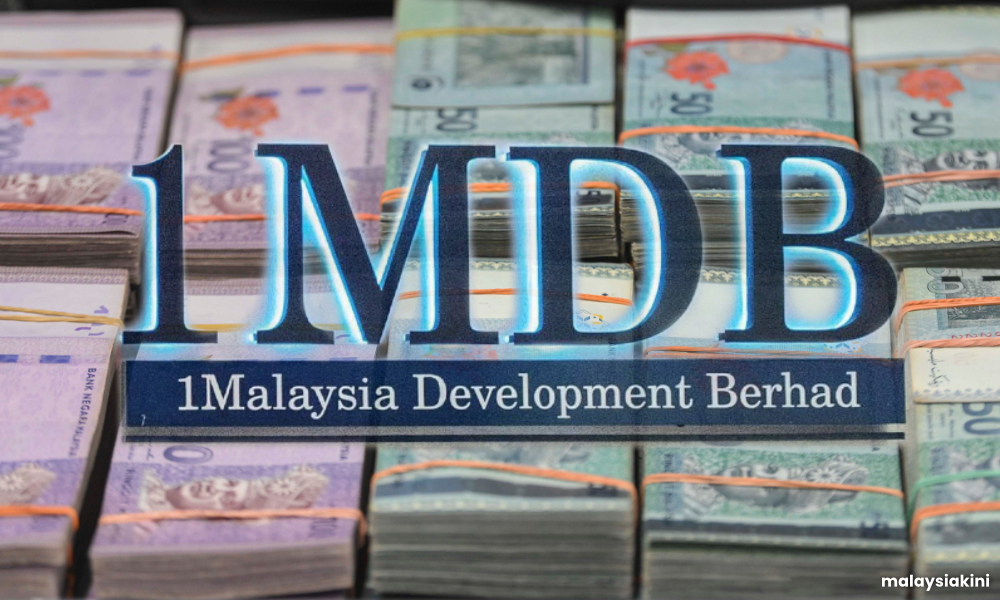
Clare Rewcastle-Brown, editor of Sarawak Report, faced relentless harassment and was banned from entering Sarawak for her investigative reporting on the 1MDB scandal.
Even after the global exposure of the scandal, legal threats against her persisted.
The Edge had its publishing licence suspended in 2015 by the Home Ministry for its bold reporting on 1MDB. The move sent a chilling message to other media houses.
Malaysiakini, one of the most respected independent news portals, was fined RM500,000 in 2021 over reader comments deemed offensive to the judiciary - a penalty widely seen as punitive and excessive.
Astro Awani journalist Hilmi Malik was summoned by police in 2022 for his reporting on the Shah Alam floods, merely for highlighting residents’ frustrations.
These are not isolated incidents. They are part of a systemic pattern where the line between “freedom” and “censorship” is often drawn based on political convenience.
Where does Malaysia stand globally?
According to the 2024 World Press Freedom Index by Reporters Without Borders, Malaysia ranked 107 out of 180 countries, slipping from 73rd in 2022.
The report cited concerns over self-censorship, government influence over mainstream media, and legal harassment of journalists.
While the environment is less repressive compared to Malaysia’s darker media history under previous regimes, the country still struggles to break free from the shadows of old-style media control.
For comparison:
Norway (Rank 1) is the gold standard for media freedom.
Indonesia (Rank 111) is close to Malaysia, but is showing signs of improvement.
Singapore (Rank 126) remains heavily restricted.
Thailand (Rank 115) also struggles with tight government control over the press.
Malaysia, despite having a new government, remains stuck in the middle tier - neither fully free nor entirely shackled.
Going beyond speeches
Anwar is right to warn against the manipulation of narratives, but this caution must apply across the board, including the government’s own machinery.
Media freedom cannot mean freedom only when the reporting is favourable.
The prime minister’s reminder to guard against “manufactured dissent” should not become a euphemism for stifling legitimate criticism. Healthy dissent is the lifeblood of democracy.
The line between slander and uncomfortable truth is often blurred in authoritarian environments. Malaysia must resist that temptation.
If the prime minister truly believes in press freedom, the government must ensure:
An end to arbitrary investigations and legal intimidation against journalists.
Immediate reform of laws such as the Printing Presses and Publications Act and the Sedition Act, which have historically been used to muzzle the press.
Protection for whistleblowers and investigative journalists.
A clear separation between government media and independent journalism.
The social media dilemma
Anwar is right to flag the unregulated wildfires of social media, where misinformation thrives, but traditional media must not be constrained in the name of regulating the digital space.
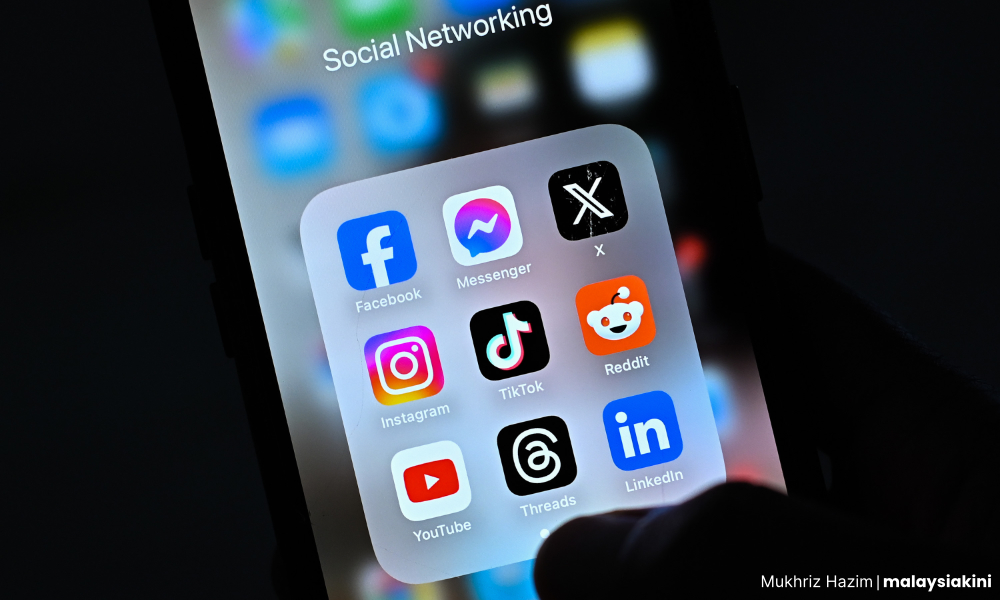
Freedom in the press should set the standard, not be traded away because social media is messier.
The real solution is not to clamp down on either space but to empower the public with media literacy and to allow professional journalists to operate without fear or favour.
Malaysia has taken steps forward, but the road to true media freedom remains long.
It will not be paved by speeches alone but by policies, protections, and the political will to let journalists tell the truth, even when it is inconvenient.
Until then, media freedom in Malaysia remains conditional - a promise not yet fully delivered.
JOSEPH MASILAMANY is a veteran journalist and long-time observer of Malaysia’s socio-political landscape. With over three decades of experience in newsrooms and the field, he writes passionately about human rights, interfaith relations, and the moral duty of the press to hold power accountable. Joseph believes that media freedom is not a privilege, but a democratic necessity.
The views expressed here are those of the author/contributor and do not necessarily represent the views of Malaysiakini.
/file/publisher-c1a3f893382d2b2f8a9aa22a654d9c97/2025/06/1e9cd5daca4624363ab26e99e49eb82f.jpg)
/file/publisher-c1a3f893382d2b2f8a9aa22a654d9c97/2025/04/9e25924758c34224e318a13225cc07dc.jpg)
/file/publisher-c1a3f893382d2b2f8a9aa22a654d9c97/2025/06/60da0d283c0ef5da0fb4ab6121633379.jpg)
/file/publisher-c1a3f893382d2b2f8a9aa22a654d9c97/2025/06/822fe6b4753bde28260f6b5ca75364fb.jpg)
/file/publisher-c1a3f893382d2b2f8a9aa22a654d9c97/2025/05/d0dac9cdb89a6f6beb66c1475b758c73.jpg)
/file/publisher-c1a3f893382d2b2f8a9aa22a654d9c97/2021/03/58dd5731dcc748b69e81c7e4aa29ce1e.jpg)


Report this comment
Are you sure you want to delete this comment?
This action cannot be undone.