


/file/publisher-c1a3f893382d2b2f8a9aa22a654d9c97/2026/05/001e4e941e1b99097b1f88de23ebcbf0.jpg)

COMMENT | Bersama: Better to cling to hope than despair
However, it is a much better thing than despair. Especially the despair of knowing that even the ballot box can come to nought; that the DNA of our politics is rabidly racist and corrupt to the core.
To that despair, add fear. The fear that we are fast going downhill, like crickets on a fallen branch floating downriver, still chirping merrily.
And it’s we, the rakyat, who will have to...
COMMENT | Hope came recently in the form of Parti Bersama Malaysia (Bersama). Yes, I know politicians almost always over-promise but end up under-delivering.
However, it is a much better thing than despair. Especially the despair of knowing that even the ballot box can come to nought; that the DNA of our politics is rabidly racist and corrupt to the core.
To that despair, add fear. The fear that we are fast going downhill, like crickets on a fallen branch floating downriver, still chirping merrily.
And it’s we, the rakyat, who will have to push uphill the rock sitting at rock-bottom, like poor Sisyphus condemned to perform this grim task for all eternity.
This hope also reminded me of the story of a Jewish family hiding out in the underground sewers of Nazi-occupied Paris.
Their luck eventually ran out. Baruch, an elder, comforted them as they were transported to a concentration camp: “For so long we lived in fear; now we must live in hope.”
‘Game on’
Returning to our shores, the Pakatan Harapan convention was in full swing down in Johor. Then came the thunder-stealing moment when Rafizi Ramli and Nik Nazmi Nik Ahmad announced that it was “game on”!
Revenge, they say, is a dish best served cold, but in this case, it was served piping hot and spicy.
And how we were left stranded at the platform of “Reformation Station” studying our tickets as the “Pakatan Harapan” train sped past us, belching clouds of black smoke.
It is a long story, best explained as a signal failure caused by politicking and deal-making of the old kind.
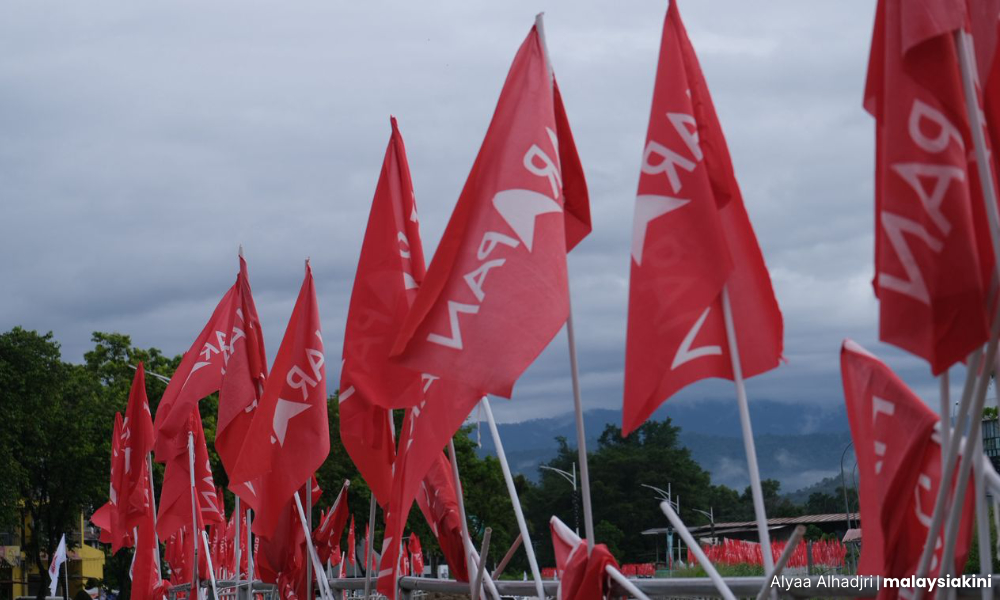
Among the 12 items in Bersama’s agenda, these three gave me hope: limiting migrant workers to five percent of the national workforce; eliminating rent-seeking and elevating SMEs as the backbone of the economy; and Malaysia becoming the “battery” of Southeast Asia.
Let’s take a quick look at each of them. Wages and employment in Malaysia are still heavily influenced by this century-old colonial mindset of the plantation and mining industry: an Asian worker, and the more the merrier, is lucky to have three meals a day, a roof over his head, and rudimentary healthcare.
We had a B80 migrant workforce then, not a B40 one, and they were literally worked to death. Then came the unions and labour militancy.
Incremental gains in wages and better working conditions were fought for tooth and nail against mostly reluctant and unprogressive employers. Abuses were rife.
Labour rights
This is not mere exaggeration. Consider this little-known event: in 1937, in the Batu Arang coalmine, hundreds of workers rebelled against their bosses and seized control of the mines.
Along the way, they declared a “Worker’s Soviet”, the first in Asia. They were put down bloodily by our fledgling army.
Labour’s share of our income is now 34 percent. The 12th Malaysia Plan target was 40 percent. We need greater mechanisation and robotics.
With the right tax breaks and incentives, our companies can do it, even the SMEs. Instead, we have made importing migrant labour a multi-billion-ringgit industry, rife with corruption and patronage.
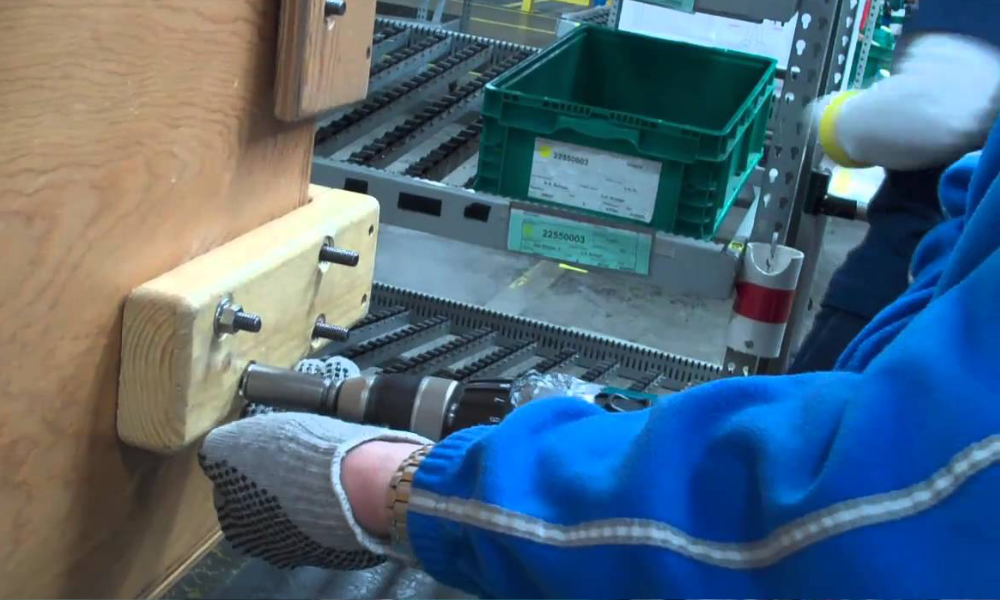
Raw, unskilled workers are flooding our labour market. Should we be surprised by the poor quality of our newly-built houses or that we are seen as a centre for human trafficking?
Or that undocumented workers probably outnumber documented ones. Or that our industries are labour-intensive?
Minimum wage, SMEs
Minimum wages without being tied to minimum monthly days of work is populism. To raise productivity, we must improve labour turnout.
Compared to the Japanese, Koreans, and the Chinese, our work ethic is a shame. Our workers need constant supervision and monitoring. Let’s not sugarcoat these things.
Now to the second point: eliminating rent-seeking and making SMEs the backbone of the economy. Countries with a robust and resilient industrial economy also have a strong and innovative high-end SME sector.
Germany, Japan, Korea, and Taiwan come immediately to mind.
Although German industry is being lapped in key sectors - solar panels, semiconductors, and even cars - its mid-sized businesses aren’t losing their edge.
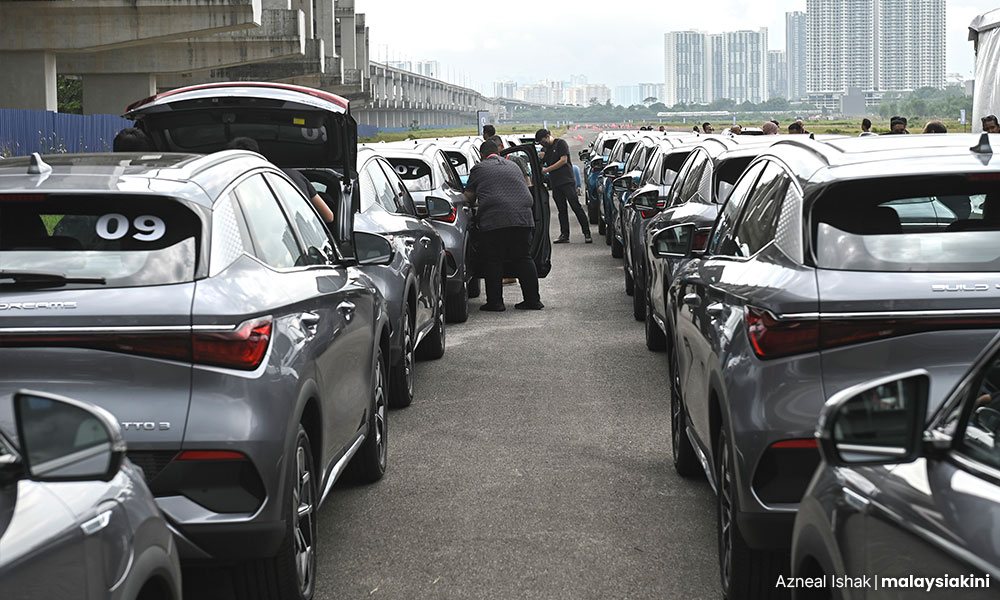
For example, the mid-sized firm Ottobocks. It still provides almost all the athletes at the Paralympics with prostheses, orthoses, and wheelchairs.
They are the “hidden champions” of Germany, and they make up 99 percent of all their companies and account for 50 percent of net value added.
The Germans do it by having a unique dual-track education system, high technical expertise, and exceptionally reliable but flexible processes. Ditto the other three countries.
The third point of becoming the “battery” of Southeast Asia is a bit of a puzzle. Perhaps they mean motor. That train too has long left the station.
But if it means semiconductors and chips, we too can be a global chip powerhouse like Taiwan. Their success is a brilliant story of innovation, application, and hard work.
But whatever, we simply cannot go on like this, mired in the past of a “kenduri state” (nation of freebies) of padded contracts, patronage, and politics as usual.
Like Rafizi said in his maiden address, we are on the cusp of a new 30-year political cycle where every Malaysian must count for the good of all.
For the sake of the future generations of Malaysians, I wish him and his party well. Bring on the snap elections! Bersama gets my vote.
I like to believe the “Bersama Kamikaze Express” will stop at every station, allowing us to board it with our tickets. No delays or dodgy announcements. And no thick black smoke.
Bersama sejahtera!
MURALE PILLAI is a former GLC employee. He runs a logistics company.
The views expressed here are those of the author/contributor and do not necessarily represent the views of Malaysiakini.
/file/publisher-c1a3f893382d2b2f8a9aa22a654d9c97/2026/04/fa4cde5cad7db18c286cee11618c9712.jpg)
/file/publisher-c1a3f893382d2b2f8a9aa22a654d9c97/2026/05/8e504c76680b1283419b0be3c26e827b.jpg)
/file/publisher-c1a3f893382d2b2f8a9aa22a654d9c97/2026/05/d4cc452cc8a8575fabf2442e10cb272e.jpg)
/file/publisher-c1a3f893382d2b2f8a9aa22a654d9c97/2026/05/9d310afe4034c36a82aa74e0080101f0.jpg)
/file/publisher-c1a3f893382d2b2f8a9aa22a654d9c97/2024/09/5ad44ef9b2564677624acdc9668993b7.jpg)
/file/publisher-c1a3f893382d2b2f8a9aa22a654d9c97/2026/05/740d597ae991ce2552fb37db9243d267.jpg)


Report this comment
Are you sure you want to delete this comment?
This action cannot be undone.