



Flash floods, landslides and Mother Nature
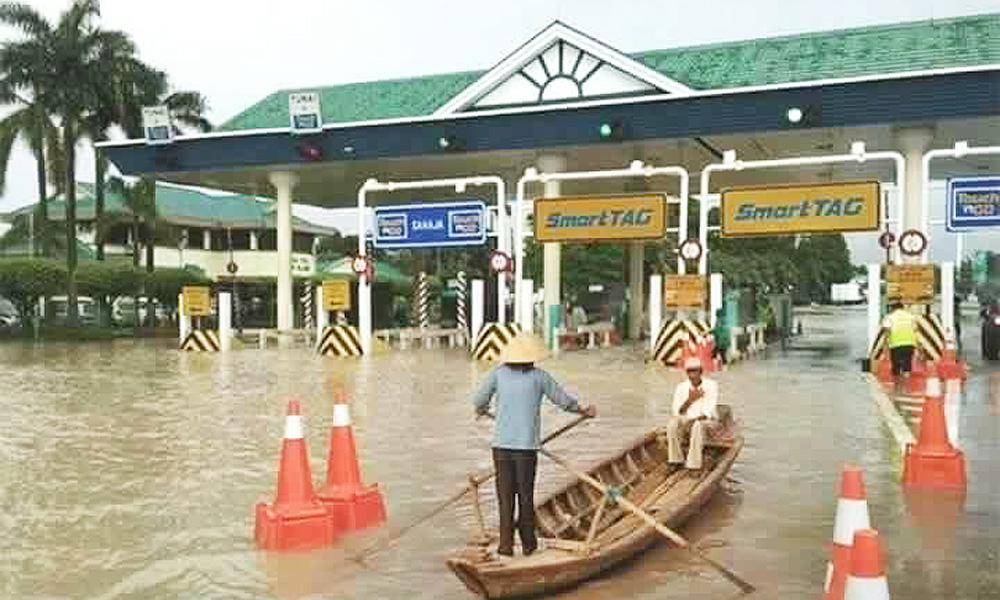
COMMENT A photograph of a flash flood near a toll plaza showing someone on a sampan which has gone viral may have been digitally altered, but it certainly speaks volumes.
Although Malaysia is relatively disaster-free, most disasters are man-made rather than being acts of God. As a nation, if we do not take good care of the environment, I cannot imagine the backlash that we will experience.
COMMENT A photograph of a flash flood near a toll plaza showing someone on a sampan which has gone viral may have been digitally altered, but it certainly speaks volumes.
Although Malaysia is relatively disaster-free, most disasters are man-made rather than being acts of God. As a nation, if we do not take good care of the environment, I cannot imagine the backlash that we will experience.
Mother Nature has a way of returning with a vengeance when we disturb the ecological balance too much in any particular area. We have seen this happening with the huge devastation that was caused by the floods in Kelantan barely a year ago.
The reasons are obvious. When logging is done indiscriminately, the soil that used to hold tonnes of water can no longer retain the amount of water; as a result, soil erosion happens and when the water is released downhill, it causes flash floods and landslips during the monsoon season.
This is what is happening in the Cameron Highlands, with landslips happening from time to time. It is also probably one of the reasons why the landslip occurred recently at the Km52.4 of Kuala Lumpur-Karak Highway near Lentang-Bukit Tinggi area.
Face the facts, not deny or threaten to sue
According to Pertubuhan Pelindung Khazanah Alam Malaysia (Peka), the Karak Highway incident could be due to uncontrolled logging activities in the Lentang Forest Reserve area , but Pahang Menteri Besar Adnan Yaakob immediately denied it and blamed the mudslide on natural causes.
 Adnan (
photo
), however, did not deny that there were
logging activities
in the vicinity. Evidence of rubbish, timber logs and boulders been swept away proved Adnan may have failed to understand the impact caused by an overflow of water resulting from the logging activities.
Adnan (
photo
), however, did not deny that there were
logging activities
in the vicinity. Evidence of rubbish, timber logs and boulders been swept away proved Adnan may have failed to understand the impact caused by an overflow of water resulting from the logging activities.
With the denial, one can only wonder whether Adnan has instructed the logging concessionaires to stop immediately pending further investigations, but the damage done cannot be reversed. It could only lead to more tragedies waiting to happen.
Deforestation is still being carried out indiscriminately despite concerns raised by the non-governmental organisations such as the Malaysian Nature Society and, in some cases, the affected residents themselves.
Yet, from what I see, developers continue to clear away the hills, and the authorities are doing nothing about it. This has led to the people suspecting that some "donations" could have exchanged hands, because they have become frustrated after lodging complaints with the authorities.
In Perak, Menteri Besar Zambry Abdul Kadir has threatened to sue Aulong assemblyperson Leow Thye Yih over such an allegation, but if Zambry cares to understand the reasons why people accused him of corruption, he would have acted on the complaints immediately.
It is only when complaints are raised, but the response is never forthcoming, that people do become restless and suspicious. A good example is the Tambun forest reserve, after it was highlighted more than 10 days ago that land clearing done for a housing project may have encroached into the green belt of Ipoh, but neither Zambry as menteri besar nor the Ipoh City mayor Zambri Man has acted on the residents’ complaints.
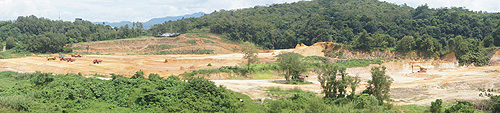 According to feedback received, work is still ongoing on the ground. What residents fear most, which is the gradual loss of their green belt, and along with it all the unique and mesmerising flora and fauna, may happen within the next six months, unless a stop-work order is immediately issued by the authorities if indeed the authorities agree that the forest reserve land has been encroached into.
Conflict of interest
DAP state assemblyperson Ngeh Koo Ham has alleged that 10,000 acres of land in Perak has been assigned to the Menteri Besar Incorporated (MB Inc) which MB Inc’s chief executive officer Aminudin Hashim has denied .
Ngeh can only depend on some surveys carried out, but the major concern is transparency in the manner which land has been allocated.
If Ngeh’s allegations were true, then, who is involved in the selection of the developers and how is the process being carried out? Such questions have to be asked, as there is always a potential that it may lead to a conflict of interest, especially when there is a lack of transparency in the selection process.
According to a world-renowned professor whom I have interviewed, the government should not be involved in businesses or invest in real estates, where they crowd out the private sector.
“If government firms are so successful, then centralised planning would have become the most successful economic model there is; and the Soviet Union would still be around today,” he argued.
The professor himself said that the government should instead be involved only in large physical infrastructure projects that cannot be undertaken by the private sector; otherwise, the state would be guilty of killing the private industry through unlevelled competition.
If the government agencies themselves are involved in a certain project, who then will be able to provide the check-and-balance and stop the illegal activities that it is involved in? This is the question that I would like to raise and be debated in both the parliament and state assemblies.
The people in the corridors of power cannot blame Mother Nature should another major disaster hit again, or like the Highland Towers which collapsed in 1993.
Or, someday, instead of driving our cars through the toll gates, we may have to cruise along with a motor boat or a sampan when our roads are turned into muddy rivers.
A point therefore has to be made about the cause of frequent flash floods and landslips in our relatively free-from-natural disasters country: Do we ever learn from our mistakes in the past?
STEPHEN NG is an ordinary citizen with an avid interest in following political developments in the country since 2008.


Are you sure you want to delete this comment?
This action cannot be undone.