




Vaiko voices grievances of Sri Lankan Tamils
The parliamentary caucus on Sri Lanka yesterday heard a denunciation of the country’s evasion of global pressure to convene hearings on crimes against humanity committed in the final phase of the civil war that ended in 2009.
V Gopalsamy, popular known as Vaiko, delivered an eloquent denunciation of moves employed by the Sri Lanka authorities to evade calls by international bodies to convene an inquiry into crimes committed by both sides in the final phase of military's campaign to extirpate the Tamil Tigers, the separatists who waged a battle a 26-year-old battle for an independent state in the north and east of the country.
Vaiko is an Indian parliamentarian from Chennai in Tamil Nadu who has been campaigning for justice for Tamil minority in Sri Lanka.
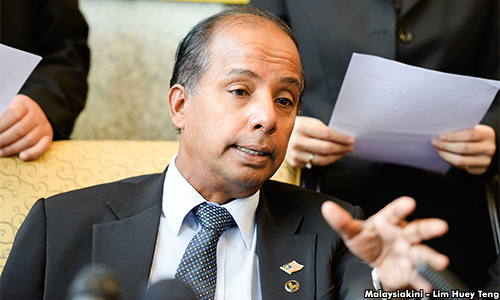 Convenor of the parliamentary caucus M Kulasegaran (
photo
), DAP MP for Ipoh Barat, had to seek the good offices of Deputy Prime Minister and Home Minister Ahmad Zahid Hamidi to obtain for Vaiko a visa to address a public forum in Penang last Saturday and to meet and speak to the Sri Lanka caucus in Parliament yesterday.
Convenor of the parliamentary caucus M Kulasegaran (
photo
), DAP MP for Ipoh Barat, had to seek the good offices of Deputy Prime Minister and Home Minister Ahmad Zahid Hamidi to obtain for Vaiko a visa to address a public forum in Penang last Saturday and to meet and speak to the Sri Lanka caucus in Parliament yesterday.
Kulasegaran attributed Vaiko’s difficulty in obtaining a visa in Chennai to visit Malaysia to the interjections by Sri Lankan diplomatic counselors to restrict the Indian politician’s international movements.
“Thanks to the quick action by Zahid, Vaiko was able to address a forum on Sri Lanka in Penang on Saturday and to speak to the caucus here today,” said Kulasegaran after yesterday’s appearance by Gopalsamy at the Dewan Rakyat.
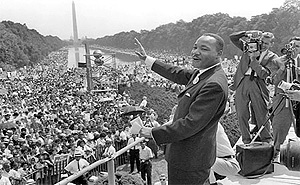 Echoing a refrain made famous by African American human rights exponent Martin Luther King, Jr (
photo
), Gopalsamy told the caucus that “Injustice anywhere is a threat to justice everywhere”.
Echoing a refrain made famous by African American human rights exponent Martin Luther King, Jr (
photo
), Gopalsamy told the caucus that “Injustice anywhere is a threat to justice everywhere”.
He said the fate of those brutalised in the closing stages of the Sri Lankan civil war was tied to the fates suffered by all victims of crimes of humanity committed the world over in recent years, a destiny that he added depicted all humankind as tied in a “single garment of destiny”.
The phrasing here again was an echo of the famous letter from the Birmingham penitentiary that an incarcerated Martin Luther King, Jr wrote to rouse the conscience of the American people in the early 1960s to the demand of his people for civil rights.


Are you sure you want to delete this comment?
This action cannot be undone.