



Control of Senate, not just next US president, at stake on Nov 8
The confrontation between Democrat Hillary Clinton and Republican Donald Trump is just the tip of the iceberg as the two major parties battle for power in the United States' political system.
The heated presidential contest could shake up control of the US Congress and decide the next president's ability to push forward a governing agenda.
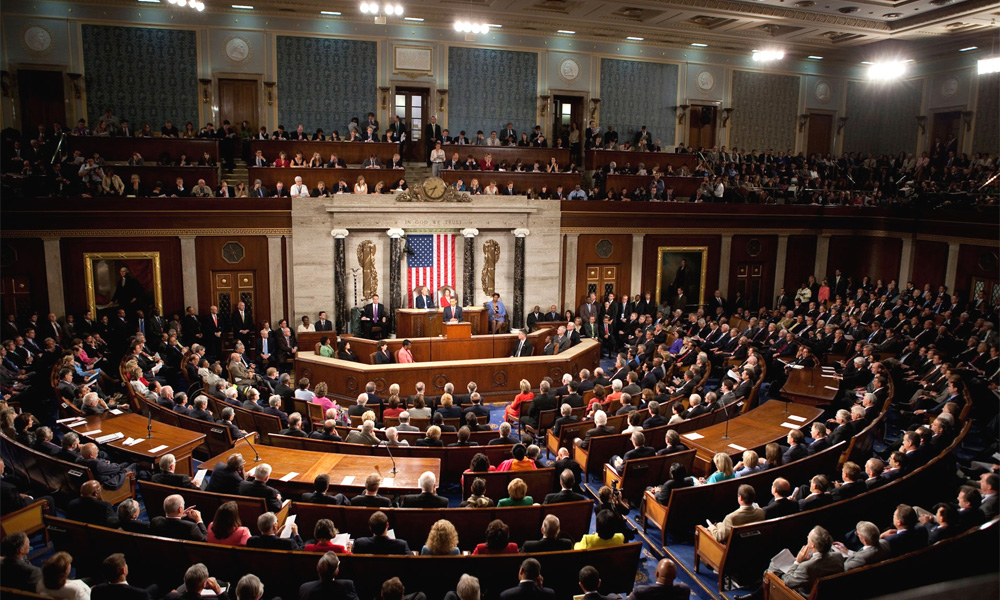
US voters on Tuesday will elect 34 members of the 100-seat senate and all 435 members of the lower House of Representatives.
Both chambers are currently controlled by Republicans, who have blocked President Barack Obama on several political issues and hope to provide a check to Clinton if she is elected.
Embattled Republicans are defending their seats in the key presidential swing states, giving Democrats hope they can win the five they would need to take definitive control of the upper chamber.
The House of Representatives is expected to remain in Republican hands: The conservative party's majority in the lower house is large, and only a handful of races appear to be in doubt.
Democrats have been spending heavily in states that are key in both the presidential election and the Senate, including Florida, Ohio, Pennsylvania and New Hampshire.
An analysis by University of Virginia analyst Larry Sabato puts six states as toss-ups in the Senate - New Hampshire, Pennsylvania, North Carolina, Indiana, Missouri and Nevada.
"All of these candidates have crossover appeal, but Clinton's coattails could doom them," Sabato wrote last week.
Obama has spoken out vocally for Democratic challengers in those key states during Clinton rallies, tying them to Trump and noting Clinton will "need allies" in the Senate.
Attacking prominent Florida Senator Marco Rubio, who was defeated by Trump in the Republican primary and has held himself at arm's length from the presidential candidate, Obama painted Rubio as two-faced.
"For some voters, Marco Rubio will say, I think that what Donald Trump said is terrible. And then, in front of other voters, he'll say, well, I'm still supporting Donald Trump," Obama told a Florida rally. "You know what, you can't have it both ways here."
Many Republican senators were already considered vulnerable after being elected in an anti-Obama wave in off-year 2010 congressional elections and now appearing on the ballot during a presidential election year when more Democrats historically cast ballots.
But Trump's candidacy has heightened worries about maintaining control of the chamber among Republicans, prompting lawmakers like New Hampshire Senator Kelly Ayotte to walk a fine line in distancing herself from the man at the top of the party ticket.
Ayotte last month withdrew her endorsement of Trump, while saying she would still vote for him. She later drew fire for saying he could be considered a "role model" before backtracking to say that neither Trump nor Clinton could be role models.
In a nod to Trump's posssible damage to other Republicans, Speaker of the House Paul Ryan said last month he would no longer defend Trump and instead focus his energy on helping his party's congressional candidates.
Ryan on Tuesday said he had voted for "our nominee" and "we need to support our entire Republican ticket," but pointedly did not mention Trump by name.
Many television ads for Republican candidates in recent days have focused on the need for Republicans to provide a check on Clinton's agenda, appearing to concede that Trump might not win the presidency. Meanwhile, Democratic ads are attempting to tie Republicans to Trump.
- dpa


Are you sure you want to delete this comment?
This action cannot be undone.