



Report: Malaysia's human rights situation 'markedly deteriorated'
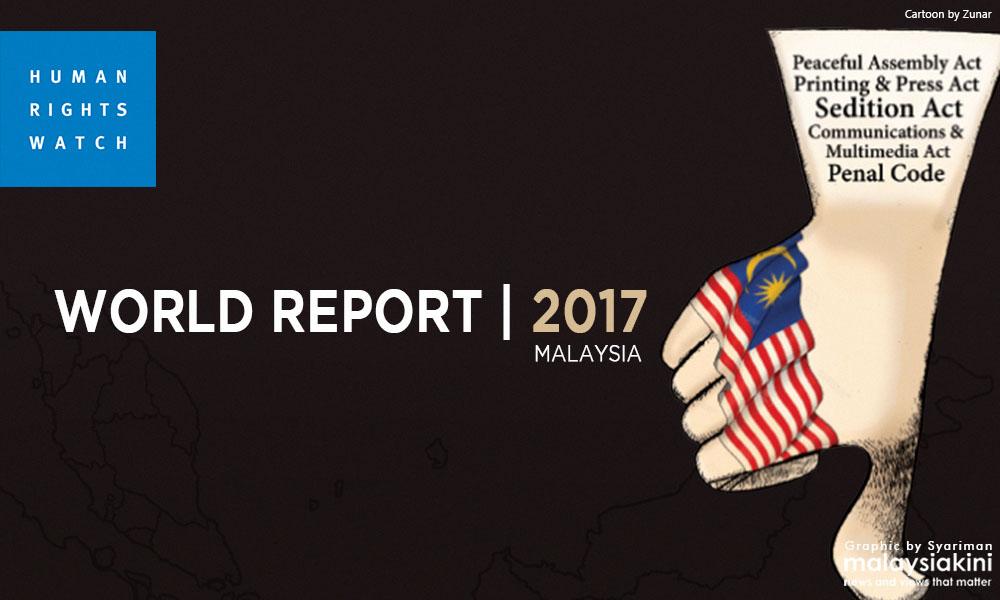
Malaysia's human rights situation "markedly deteriorated" over the past year, according to Human Rights Watch's (HRW) World Report 2017.
"The Malaysian government has responded to corruption allegations by throwing respect for rights out of the window.
"The downward slide in rights protections that started after the 2013 election and accelerated during the past year as the number of tough questions increased about Najib's alleged involvement in the 1MDB scandal.
Malaysia's human rights situation "markedly deteriorated" over the past year, according to Human Rights Watch's (HRW) World Report 2017.
"The Malaysian government has responded to corruption allegations by throwing respect for rights out of the window.
"The downward slide in rights protections started after the 2013 election and accelerated during the past year as the number of tough questions increased about Najib's alleged involvement in the 1MDB scandal.
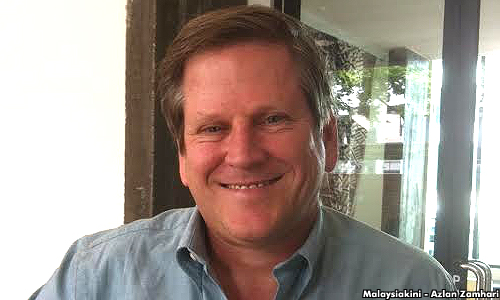
"By bringing a slew of prosecutions against those expressing dissenting views or peacefully protesting, the government is seriously undermining democratic institutions and the rights of all Malaysian citizens," said HRW deputy Asia director Phil Robertson.
 The 687-page report, which reviewed the human rights practices in over 90 countries, was released tonight.
The report said amid the deterioration of human rights in Malaysia, those criticising Prime Minister Najib Abdul Razak's government or its handling of the 1MDB scandal have been "particularly targeted".
Politically-motivated charges
It also noted at least a dozen of criminal prosecutions over social media posts allegedly insulting the Johor royal family, including the case of Amirul Azwan Mohammad Shakri, who was jailed a year after he pleaded guilty to 14 counts of insulting the Johor Sultan on Facebook.
It noted that activist Khalid Ismath was also slapped with 11 counts under Section 233 of the Communications and Multimedia Act 1998 (CMA) and three counts under the Sedition Act 1948 for comments on a Facebook page supporting Kamal Hisham Jaafar, a former legal adviser to the Johor royal family.
Among other prosecution it described as "politically motivated" included:
- Parti Amanah Negara Youth vice-chief Mohd Fakhrulrazi Mohd Mokhtar who was sentenced to eight months' jail under the Sedition Act 1948 for calling for Anwar Ibrahim's freedom;
- Activist Haris Ibrahim who was sentenced to eight months' jail under the Sedition Act 1948 for a speech challenging the results of the 13th general election;
- Graphic artist Fahmi Reza charged under Section 233 of the Communications and Multimedia Act for posting an online image of the prime minister in clown make-up; and
- PKR vice-president Rafizi Ramli sentenced to 18 months' jail under the Official Secrets Act 1972 for disclosing parts of the auditor-general's report on 1MDB.
Internet censorship
The report also noted increasing internet censorship in the country, including the blocking of Sarawak Report, Medium, Malaysia Chronicle, Asia Sentinel and at least four political blogs.
This was on top of the blocking of news portal The Malaysian Insider after it published a report on corruption allegations involving the prime minister.
The report said authorities continued to routinely arrest, call for questioning or charge those organising street rallies such as the "TangkapMO1" rally.
Apart from the passing of the National Security Council Act 2016 which granted the prime minister sweeping security powers, detention without trial also continued under the Prevention of Crime Act 1959, Prevention of Terrorism Act 2015 and Security Offences (Special Measures) Act 2012, it said.
However, allegations of torture in custody, including by six complainants while under Sosma detention as highlighted by human rights group Suaram, was not addressed, it added.
It noted that the Enforcement Agencies Integrity Commission (EAIC) which found that N Dhamendran, who died in police custody in 2013, had recommended action against the officers responsible, but they were instead cleared.
It added death sentences remained in place with little transparency on how they are executed.
Refugees still in limbo
The report raised concerns over a planned amendment to the Legal Profession Act 1976 which would allow the government to interfere in the Bar Council's affairs.
The report said discrimination against the lesbian, gay, bisexual and transgender (LGBT) community was still pervasive while child marriages remained a problem.
"The government's failure to collect data on the age of marriage of women and girls presents an obstacle to even discussing the problem," it said.
The report noted that legal rights for asylum-seekers and refugees remained elusive as Malaysia was not a party to the 1951 Refugee Convention.
"Over 150,000 refugees and asylum-seekers, the vast majority of whom come from Myanmar, have registered with the United Nations High Commission for Refugees in Malaysia but are unable to work, travel or enrol in government schools," it said.
The report said there had also not been much progress in the investigation into suspects involved in the death of over 100 alleged victims of human trafficking found on the Thai-Malaysian border in 2015.
"The Malaysian government should step back from its repressive course, bring its law into line with international standards and start respecting fully the rights of everyone in Malaysia," said Robertson.


Are you sure you want to delete this comment?
This action cannot be undone.