


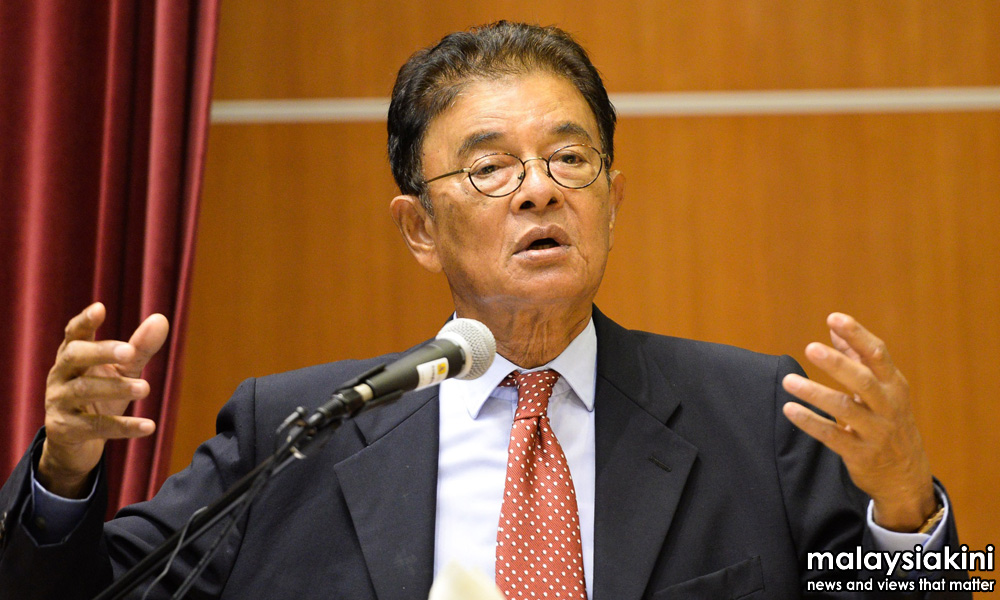

Suhakam proposes an inquest into detainee K Parthiban's custodial death
The Human Rights Commission (Suhakam) found that little improvement has been made in police procedures dealing with those in need of medical attention while in police custody, following their probe into the custodial death of Parthiban Karuthani.
“Although there have been a plethora of previous reports, recommendations and proposals from Suhakam to assist the authorities to protect the health and safety of detainees with an aim to minimising incidences of death in police custody, we regret that many of these have not been implemented or have been ignored,” Suhakam chairperson Razali Ismail said in a statement today.
Parthiban was a detainee at the Melaka Tengah police lock-up, who died at the Malacca Hospital on May 22 this year while receiving treatment.
Suhakam, who recorded 24 statements during this investigation, identified unresolved issues with providing medical attention in lockup in custodial death cases, Razali said...
The Human Rights Commission (Suhakam) found that little improvement has been made in police procedures dealing with those in need of medical attention while in police custody, following their probe into the custodial death of Parthiban Karuthani.
“Although there have been a plethora of previous reports, recommendations and proposals from Suhakam to assist the authorities to protect the health and safety of detainees with an aim to minimising incidences of death in police custody, we regret that many of these have not been implemented or have been ignored,” Suhakam chairperson Razali Ismail said in a statement today.
Parthiban was a detainee at the Malacca Tengah police lock-up, who died at the Malacca Hospital on May 22 this year while receiving treatment.
Suhakam, who recorded 24 statements during this investigation, identified unresolved issues with providing medical attention in lockup in custodial death cases, Razali said.
Based on their probe, the commission found that Parthiban was not in good health but was initially refused medical treatment at the police station.
At the same time, the police were not immediately aware that he was a diabetic patient, though they were informed by him later, Razali said.
He added that Suhakam also found out that there was an order for the deceased to receive treatment at the Malacca Hospital, but the police escorts believed that the order was only for more serious medical cases.
“Suhakam observed that there were gaps in communication, with consequences, between the management of the Malacca Tengah police station and escort unit,” he said.
The police are responsible for providing medical attention to any detainee who requires it, he reminded, and that police procedure further requires regular cell checks to ensure the safety of detainees.
“Suhakam re-emphasises that if there are doubts concerning the health, welfare or medication for a detainee, the police are obliged to seek a professional medical opinion.
“Suhakam has reportedly highlighted these issues in response to previous deaths in custody,” he said.
Based on their findings in Parthiban’s case, he said Suhakam has the following recommendations to make:
i. That an inquest under Section 334 of the Criminal Procedure Code (CPC) be conducted to identify the cause of death and whether negligence contributed to the death.
ii. That the Home Ministry and the police, together with the Health and Finance Ministries, ensure that Regulation 10 of the Lock-Up Rules 1953 is implemented by providing adequate budget, manpower and equipment, as well as to establish custodial medical teams in all lockups.
iii. That the death, be promptly, independently and effectively investigated and appropriate action is taken, whether disciplinary or criminal, based on evidence.


Report this comment
Are you sure you want to delete this comment?
This action cannot be undone.