



Dewan Rakyat still needs 'outsider' as speaker for now, says Bersatu leader
Pakatan Harapan can only fulfil its election manifesto to appoint a Dewan Rakyat speaker from among elected lawmakers after the parliamentary institution has been reformed, a Bersatu leader said today.
Bersatu strategic and policy bureau deputy director Wan Saiful Wan Jan said that until then, Parliament must be led by an "outsider" like former Court of Appeal judge Mohamad Ariff Md Yusof who was appointed as speaker on Monday...
Pakatan Harapan can only fulfil its election manifesto to appoint a Dewan Rakyat speaker from among elected lawmakers after the parliamentary institution has been reformed, Wan Saiful Wan Jan said today.
The Bersatu strategic and policy bureau deputy director said that until then, Parliament must be led by an "outsider," like former Court of Appeal judge Mohamad Ariff Md Yusof, who was appointed as speaker on Monday.
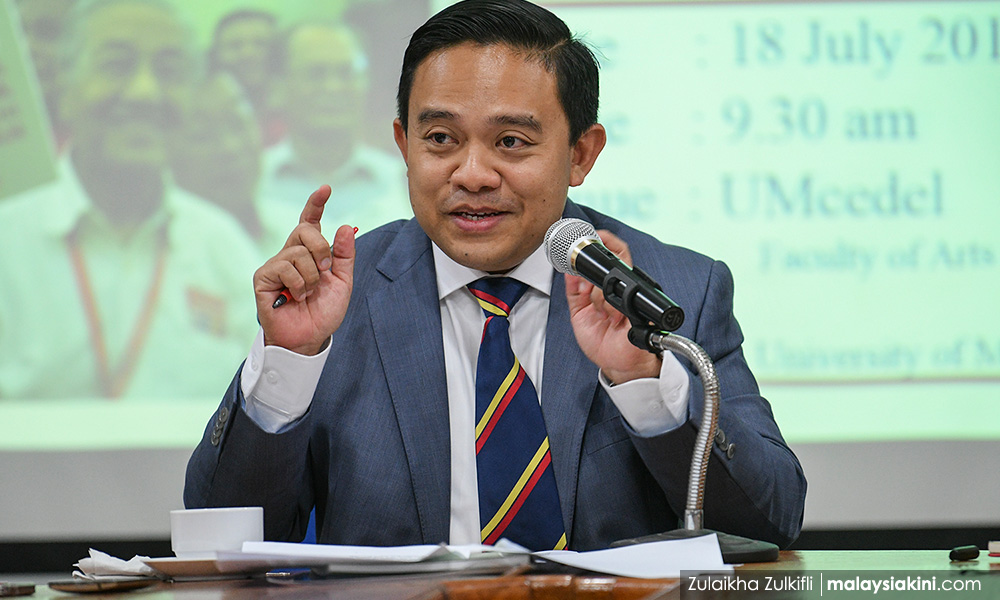
"In order to reform the parliamentary institution, we need someone like that (Ariff), until Parliament is ready to maintain a culture of people (MPs) not shouting, not walking out," Wan Saiful told reporters after a seminar on Harapan's manifesto organised by the Universiti Malaya Centre for Democracy and Elections this morning.
"Once all that has been reformed, only then can a speaker from a more mature group of MPs be appointed.
"Until then there is a need to appoint an outsider," he noted.
Ariff, who presided over the Dewan Rakyat session this afternoon, had ruled to eject Bukit Gelugor MP Ramkarpal Singh for refusing to retract his statement describing Umno Youth members as "samseng (gangsters)" in a heated argument with Kinabatangan MP Bung Moktar Radin.
Wan Saiful, meanwhile, also pointed out that the promise to appoint a speaker from among MPs is listed as a long-term goal for Harapan's first five years in office.
"This (choice of speaker) is not part of Harapan's 100-day promise," he said.
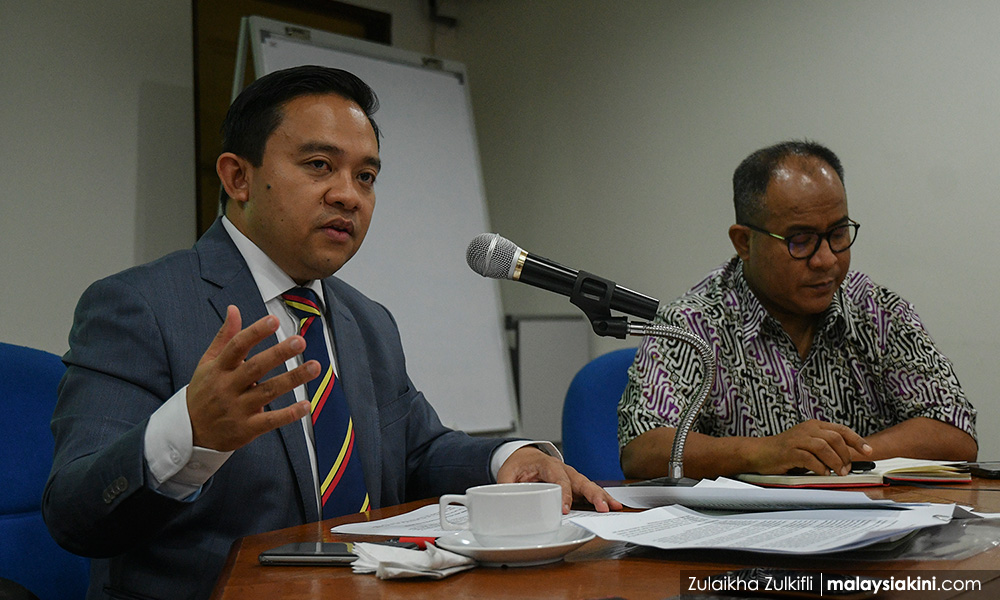
Wan Saiful had earlier refuted the notion that the appointment of non-Malays and non-Muslims as attorney-general and chief justice was carried out based on the "spirit" of Harapan's manifesto.
Instead, he said Harapan's priority was to ensure that the most qualified individuals are appointed to the positions.
"The spirit of the manifesto is to find the best person to fill the position.
"'Maybe the appointments had shocked the existing system, but sometimes the shocks are necessary to reform the institution," he said.
Critics had claimed the appointments of Tommy Thomas as attorney-general, followed by Richard Malanjum as the chief justice signalled that the rights of Malay-Muslims in Malaysia would now be jeopardised, particularly in relation to the role of syariah law.


