


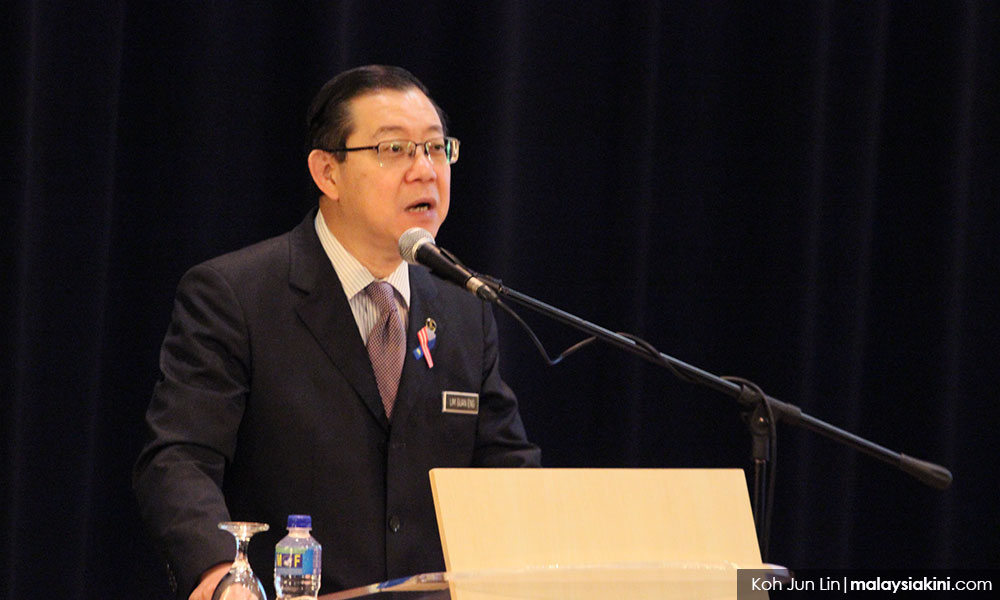

Finance minister hopes inflation rate will drop to 2pct after SST begins
Finance Minister Lim Guan Eng has projected that the inflation rate will moderate to approximately two percent this year as compared to 3.7 percent in 2017 after the implementation of the sales and service tax (SST).
"If we can keep it around two percent, I think that will be good enough," he said at a media briefing on SST at his ministry today...
Finance Minister Lim Guan Eng has projected that the inflation rate will moderate to approximately two percent this year as compared to 3.7 percent in 2017 after the implementation of the sales and service tax (SST).
"If we can keep it around two percent, I think that will be good enough," he said at a media briefing on SST at his ministry today.
He is also optimistic that the inflation rate may drop to below two percent.
Lim reiterated that the government will collect RM21 billion under SST as compared with RM44 billion collected under the previous goods and services tax (GST).
A total of 5,443 items will be exempted from the new sales tax, while 793 items and 5,612 items will be taxed at a rate of five percent and 10 percent respectively.
As for service tax, a total of 25 categories of services will be taxed at a rate of six percent.
Lim said a recent study conducted by RHB Research Institute Sdn Bhd had shown how GST impacted the people.
"According to RHB, we recorded the lowest inflation rate in history at 0.9 percent in June and it later dropped to 0.8 percent in July. And our core inflation was recorded at -0.2 percent.
"This shows how big the impact of GST was," he said, adding that there would be inflation even with no taxation due to factors such as supply and demand.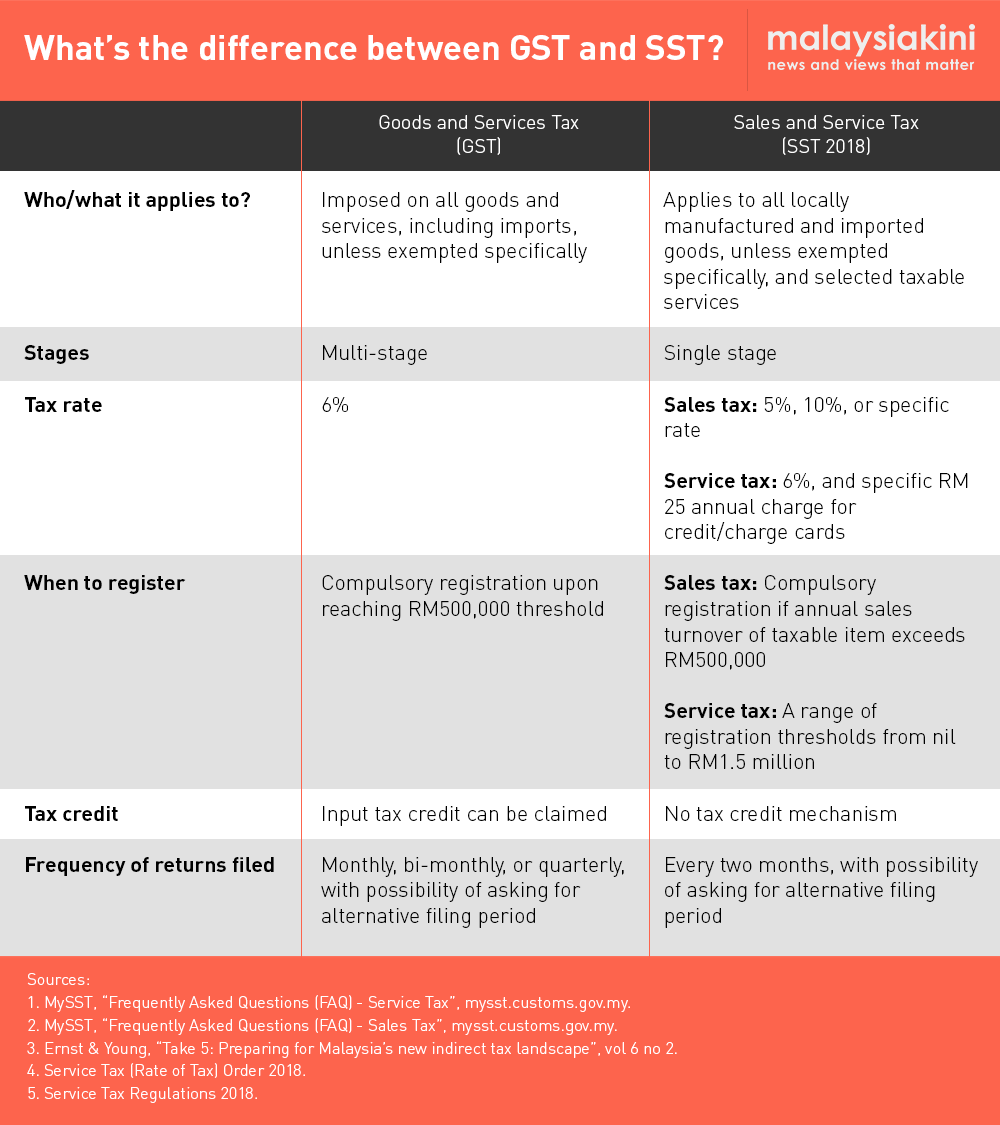
The government halted GST collection from June onwards.
The same report first estimated that inflation for 2018 would drop to 1.9 percent, but later revised it to 1.2 percent.
"Whether that (1.2 percent) can be achieved or not, I don't know as that depends on how the impact of SST is absorbed by the economy and whether there is any illegal profiteering," Lim said.
Meanwhile, Royal Customs Department director-general Subromaniam Tholasy explained how the government would curb SST evasion through transfer pricing, which had been a weakness in the SST system that the previous government had sought to overcome by introducing GST.
Among others, Subromaniam said the new Sales Tax Act 2018 contains special rules for manufacturers and importers selling their goods to “connected persons”, such as the price of the goods must reflect the manufacturer's cost structure.
He said that the law provides a specific list that includes material cost, labour cost, development cost, royalties and licensing fees, overhead, depreciation, and others.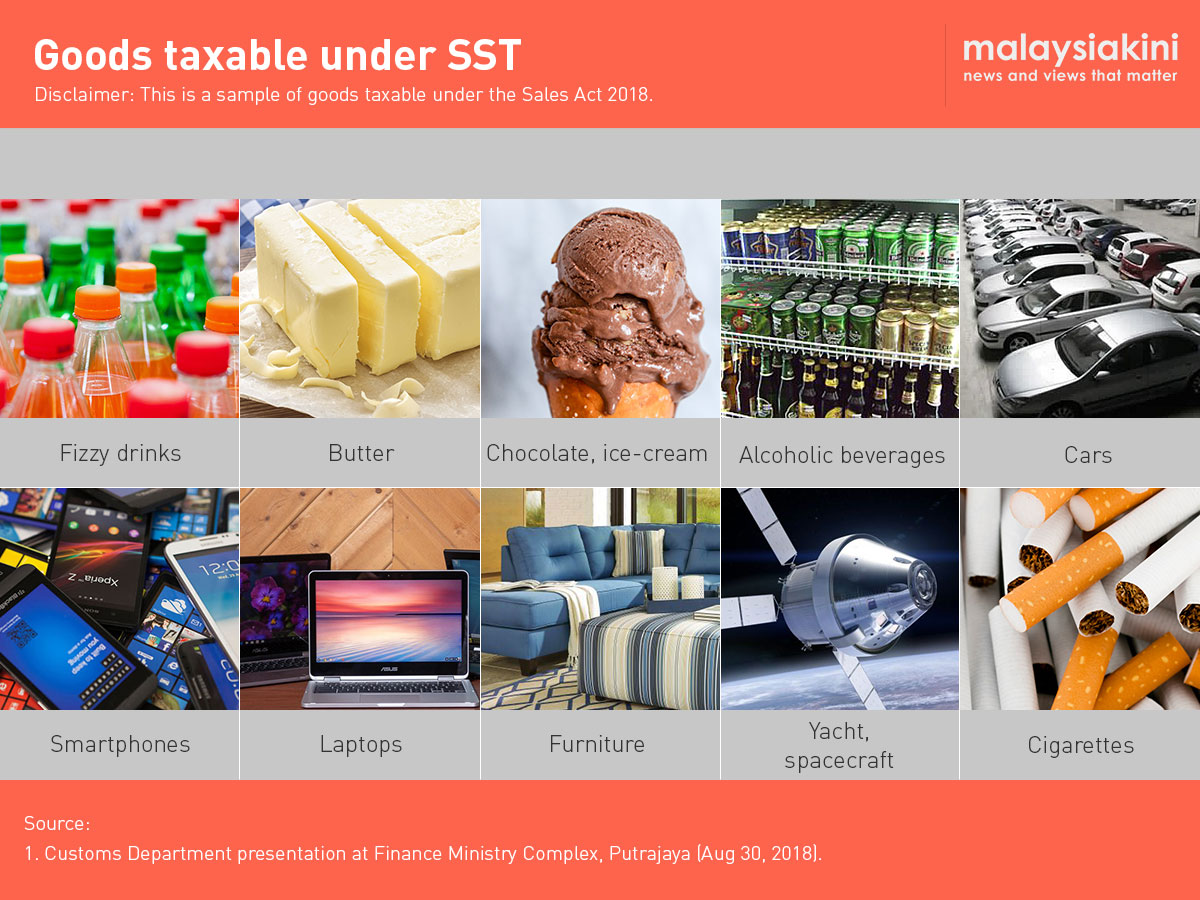
It would also take account of profit margins reported by others in the same industry.
In contrast, he said the previous implementation of SST was vague and did not specify these items.
This is to prevent manufacturers and importers from “selling” their goods at an artificially low price to a related company in order to lower the amount of taxes paid.
Lim added that there will also be better monitoring, thanks to data collected under the GST scheme and data-sharing between the Customs Department and the Internal Revenue Board.
RELATED REPORTS
Guan Eng: SST implementation rushed to avoid operating deficit
SST threshold for eateries increased to RM1.5 m, decision is final


