


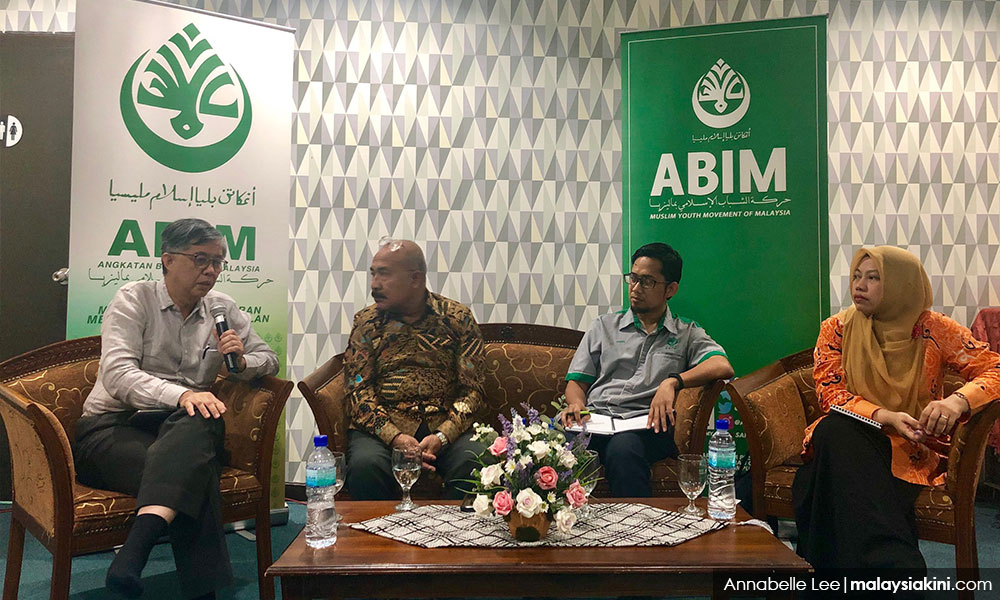

Changing electoral system will see rise of extremists: Tian Chua
PKR vice-president Tian Chua believes that changing Malaysia’s electoral system to a proportional representation system will give a voice to extremists.
Speaking at the “Reforming the Electoral System and Strengthening Democracy” forum in Kuala Lumpur last night, he contended that such a system was unsuitable for the country...
PKR vice-president Tian Chua believes that changing Malaysia’s electoral system to a proportional representation system will give a voice to extremists.
Speaking at the “Reforming the Electoral System and Strengthening Democracy” forum in Kuala Lumpur last night, he contended that such a system was unsuitable for the country.
“The proportional (electoral) system seems more democratic because it is not limited by constituencies, but it will make racial relations in Malaysia worse.
“It is true, extreme Muslim, chauvinist Chinese and chauvinist Indian groups will give a voice to parties who are able to represent their extreme voices.
“[...] And when they enter Parliament, these lawmakers will not have any national consciousness. Changing to a proportional electoral system is not a desirable option,” he said.
Malaysia currently adopts the First Past The Post (FPTP) system, which Tian Chua said was what helped keep national politics centrist.
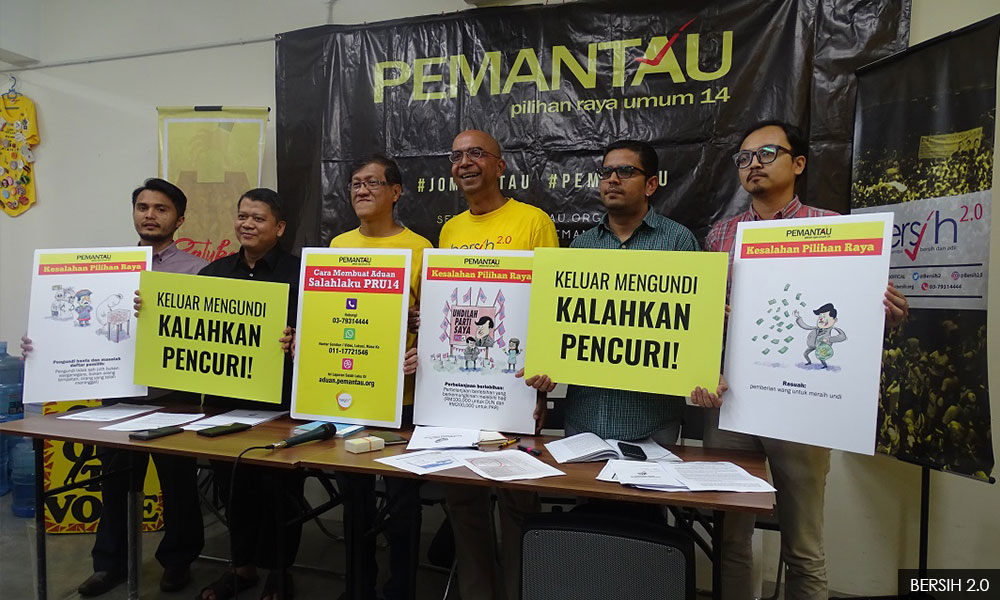
Bersih previously proposed that the “rigid” FPTP system be replaced with the proportional representation system, in particular, the “Mixed Member Proportional” (MMP) system.
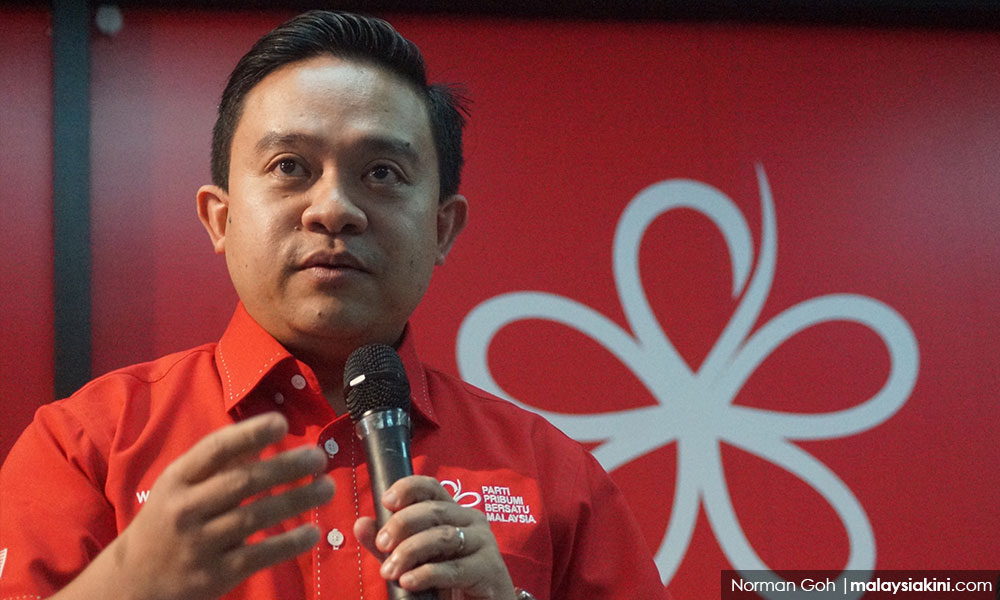
Penang Institute political studies director Wong Chin Huat and Bersatu’s Wan Saiful Wan Jan have made similar calls, with the latter saying that MMP would better represent voters’ preferences and allow smaller political parties to have a voice in Parliament.
The Electoral Reform Committee is studying such proposals.
More tolerant society
Rather than electoral systems, Tian Chua, whose full name is Chua Tian Chang, opined that it was society’s tolerance to different opinions that needed to be improved upon.
He lamented that different groups have recently been calling upon the Pakatan Harapan government to ban elements they did not agree with, like how there were calls for the recent rally against the International Convention on the Elimination of All Forms of Racial Discrimination (Icerd) to be disallowed.
“The issue now is not that the government is oppressing the people or ignoring these groups, but that it is facing demands from groups to stop or restrict the rights of others [...]
“Reformasi should not only be about the government giving more freedom but also include how we can educate our society so we are more tolerant when facing challenges, and less sensitive,” he said.
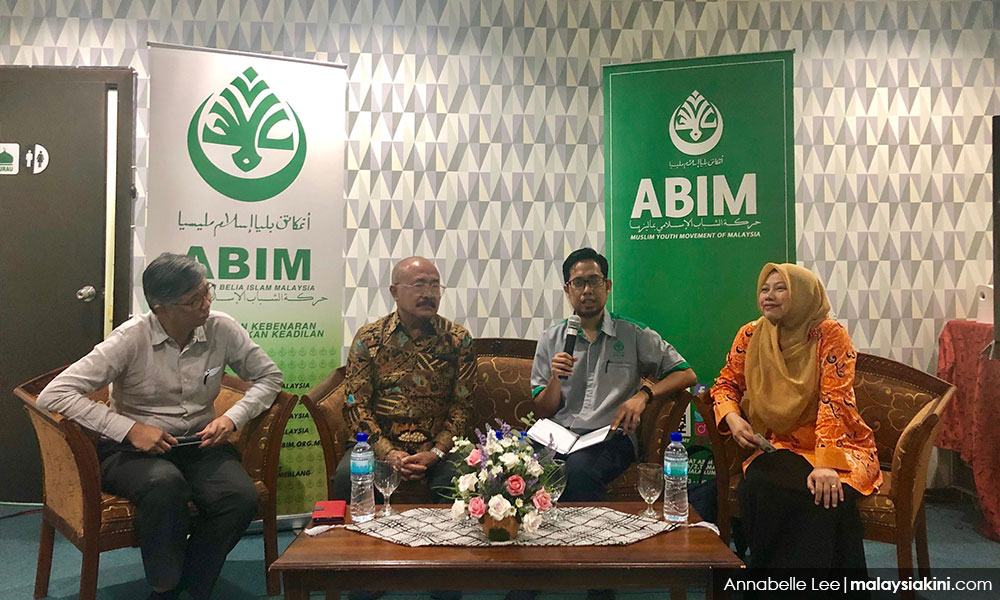
The forum also featured two speakers from Indonesia - former chief commissioner of the Komisi Pemilihan Umum, Ramlan Surbakti (second from left), and executive director of electoral reform NGO Perludem, Titi Anggraini (far right).
The Komisi Pemilihan Umum is Indonesia’s equivalent of the Election Commission.
Ramlan spoke about his experience of running elections during Indonesia’s own reformasi era in the late 1990s and concluded that proportional representation was the most suitable system for its diverse electorate.
Titi contended that youth and students must play an active role in a country’s reformation, and said any change to the electoral system needed to be done through a consultative process.
The forum was co-organised by Bersih and the Malaysian Muslim Youth Movement (Abim), and moderated by Abim secretary-general Muhammad Faisal Abdul Aziz.


Report this comment
Are you sure you want to delete this comment?
This action cannot be undone.