


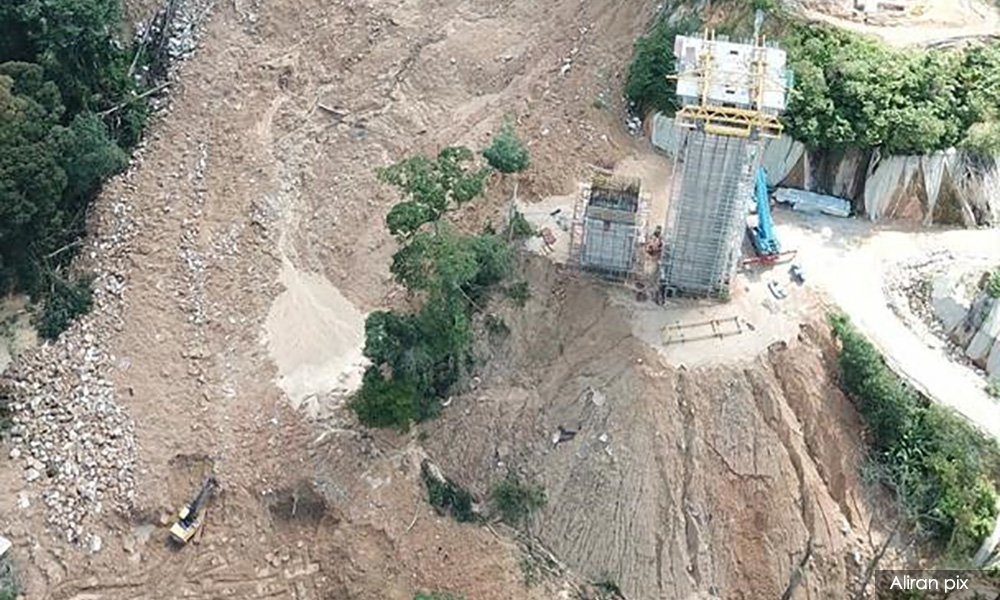

Landslide-hit project exempted from EIA report, NGOs told
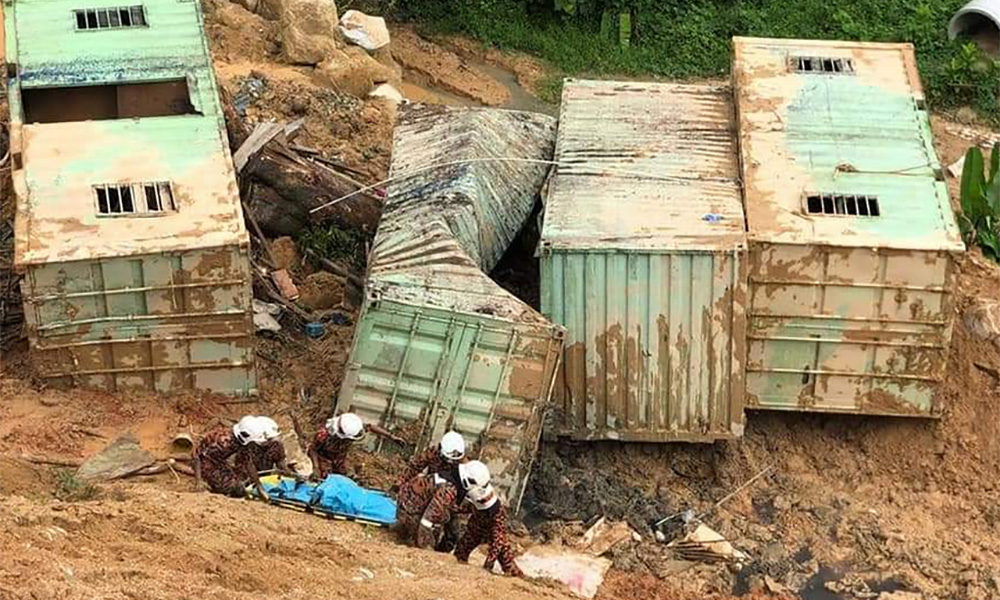
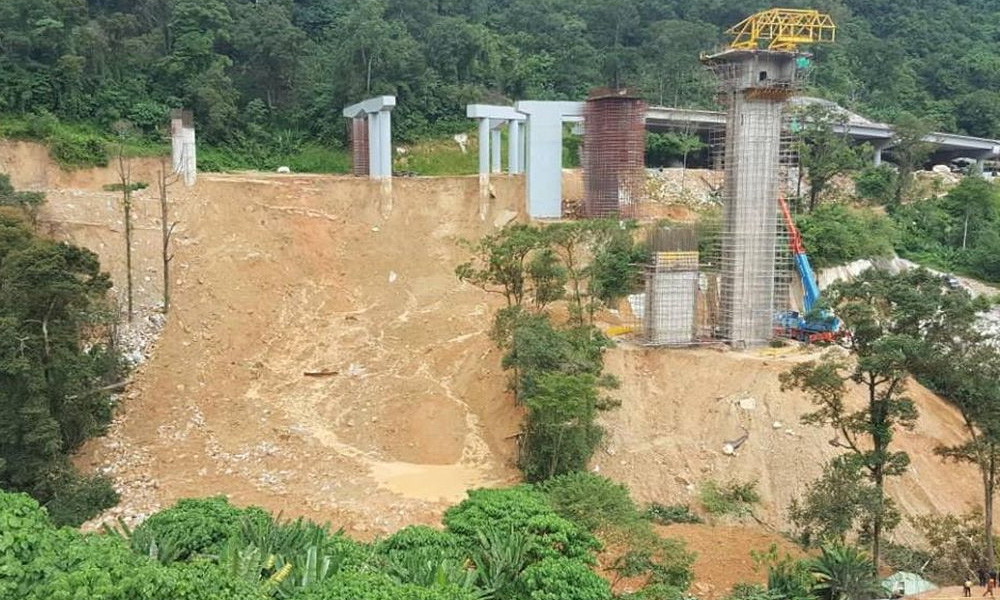
The Bukit Kukus paired road project in Penang, where a landslide had killed nine people last year, was exempted from the Environmental Impact Assessment (EIA) report, said Chief Minister Chow Kon Yeow.
Chow said that Penang Island City Council (MBPP) obtained the exemption from the Department of Environment (DOE) on Feb 6, 2015, based on its U3 road category which does not need an EIA...
The Bukit Kukus paired road project in Penang, where a landslide had killed nine people last year, was exempted from the Environmental Impact Assessment (EIA) report, said Chief Minister Chow Kon Yeow.
Chow said that Penang Island City Council (MBPP) had obtained the exemption from the Department of Environment (DOE) on Feb 6, 2015, based on its U3 road category, which does not need an EIA.
"However, even though MBPP was exempted from the EIA, it has prepared the Environmental Management Plan and Erosian and Sedimention Control Plan (reports)," Chow told a press conference in George Town today.
"The MBPP has prepared these reports although the DOE has exempted it from the EIA according to the Environmental Quality Act, 1974," Chow added.
He was responding to NGOs Sahabat Alam Malaysia and Consumers Association of Penang president SM Mohamed Idris who refuted claims by the authorities that no EIA report was needed for the project.

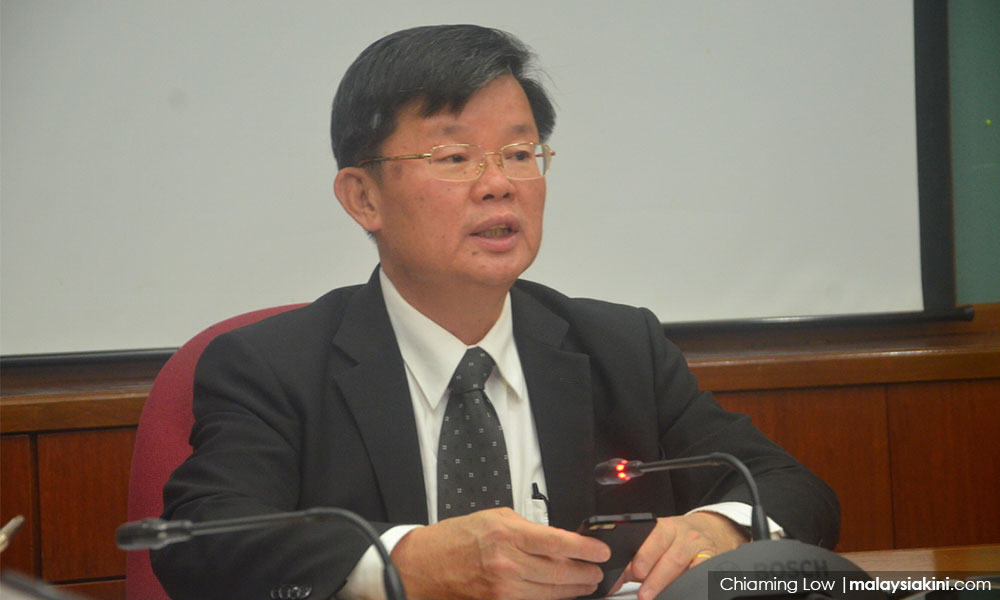
In a statement yesterday, Mohamed Idris said CAP has written to Chow and MBPP mayor Yew Tung Seang (photo, above) and DOE asking how the project was exempted from such a requirement.
He pointed to the relevant law that applied then - the Environmental Impact Assessment (Prescribed Activities Order) 1987 - which states that effective from June 20, 2011, the DOE had a list of ‘prescribed activities’ which required Detailed Environmental Impact Assessment (DEIA).
According to Mohamed Idris, public feedback must be sought on the DEIA for the project before any approval is given.
Read more: Bukit Kukus landslide tragedy: Contractor blacklisted
Among the listed projects are ‘projects involving land clearing where 50 percent of the area or more have slopes exceeding 25 degrees (except quarry)'.
Mohamed Idris said that this covers any type of project on risky hillslopes, including Bukit Kukus, where much of the work involves clearing areas which exceed 25 degrees.
Asked if the families of the nine dead workers were offered compensation, Yew said they received money via the Workmen’s Compensation Act 1952.
Asked how did they qualify for the payment when the workers were without proper documentation, he said the matter was handled by the contractor and MBPP had nothing to do with it.
"However, MBPP had worked with AirAsia to repatriate the remains of the nine workers to their homeland, in Bangladesh, Indonesia and Myanmar," Yew said.
He said the police were also investigating the contractor for hiring undocumented workers.


Report this comment
Are you sure you want to delete this comment?
This action cannot be undone.