
Trash to asset: M'sia to move to 'waste-to-energy' model in 2 years
PARLIAMENT | Putrajaya is looking to turn waste into potential profit-generating national “assets”, with its plans to end the use of landfills and shift to waste-to-energy (WTE) treatment systems within the next two years.
According to Housing and Local Government Minister Zuraida Kamaruddin, all state governments have already been instructed to implement the conversion in stages...
PARLIAMENT | Putrajaya is looking to turn waste into potential profit-generating national “assets”, with its plans to end the use of landfills and shift to waste-to-energy (WTE) treatment systems within the next two years.
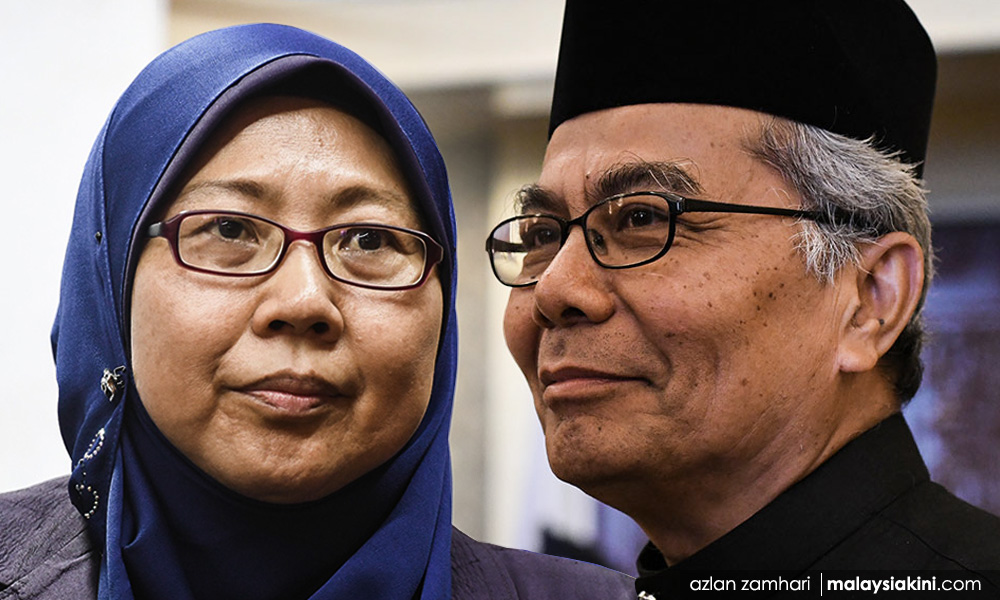
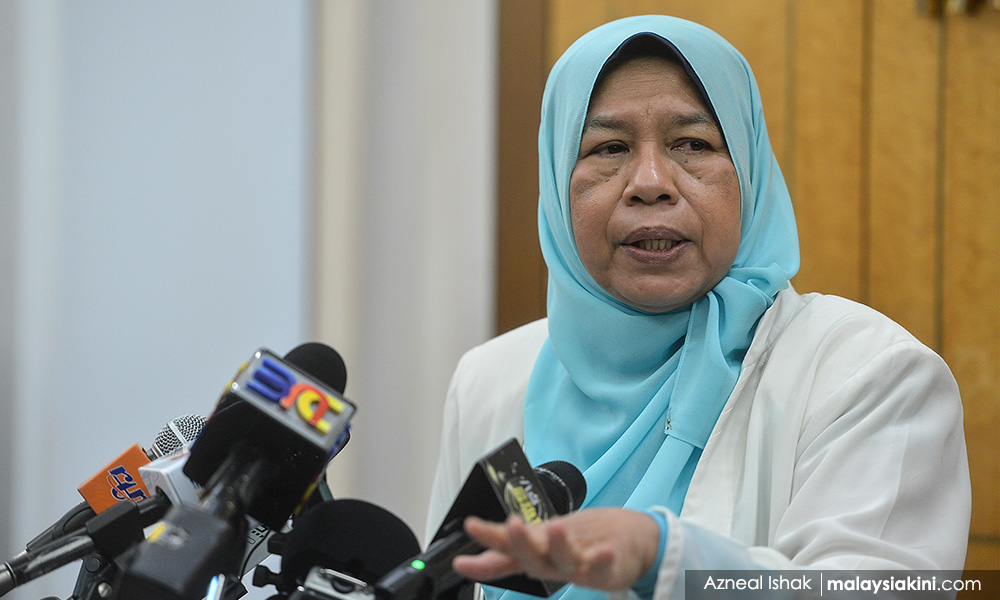
According to Housing and Local Government Minister Zuraida Kamaruddin (photo, above), all state governments have been instructed to implement the conversion in stages.
She said this would allow the government to profit from a circular economy following the conversion of waste material and better utilisation of freed landfills and dumpsites.
WTE refers to a waste treatment process aimed at generating energy, such as in the form of heat and electricity, or source of fuel. Meanwhile, a circular economy aims to minimise waste through reuse or redesignation.
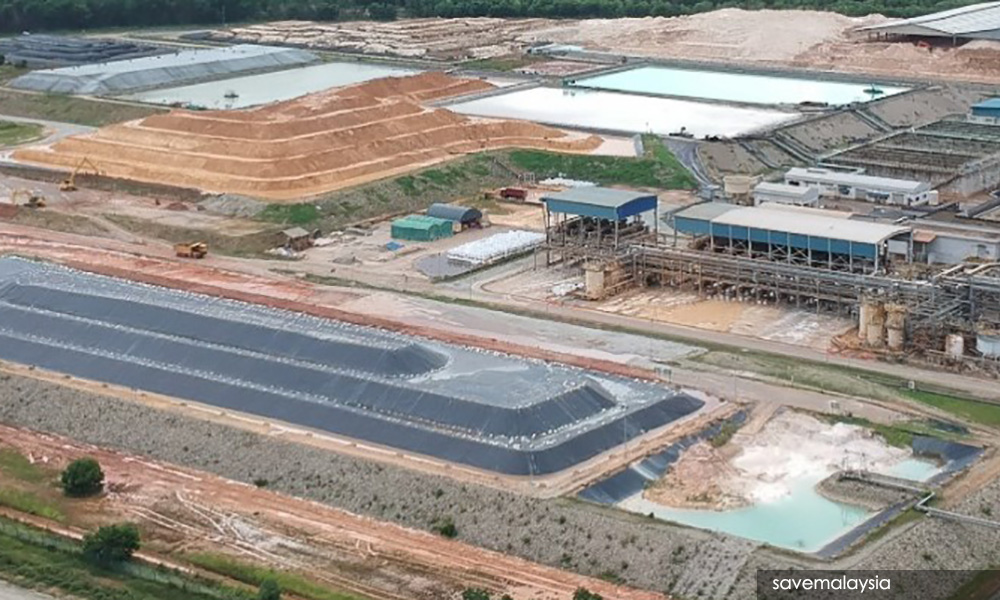
“Currently, we have two systems (of waste management) which are landfills and dumpsites. Seeing that the use of landfills and dumpsites consume a large cost, the cost of land becomes a burdening factor as the land could have otherwise been utilised.
“The Housing and Local Government Ministry has instructed all state governments (that) in two years’ time, we will convert from the management of solid waste landfills to waste-to-energy plants,” she said.
Zuraida added: “InsyaAllah (God willing), this will be cleaner and cost-effective; with the WTE, it will also allow for a circular economy in which the ministry views trash as an asset to the country, and we view it as income for the country and the ministry.”
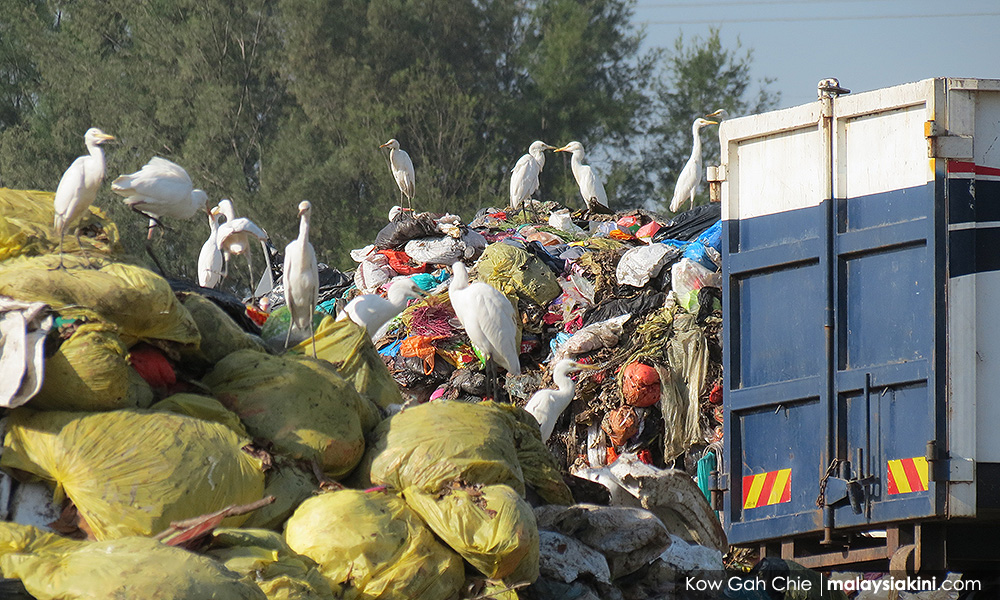
She was responding to a question by Steven Choong (Harapan-Tebrau) on the ministry’s direction with regard to waste management in the country.
Transforming landfills
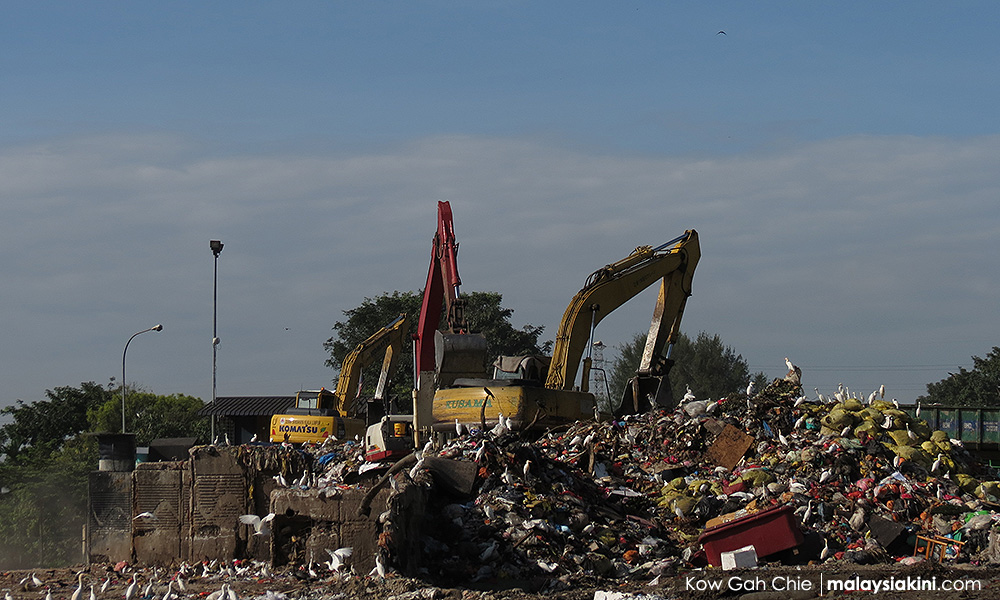
Elaborating further on the initiative, Zuraida, who is also Ampang MP, said her ministry was in the midst of studying existing landfill sites to determine whether they are suitable for transformation into WTE plants.
She said this would depend on the size of the plots of land, and that the federal government would provide guidance to the respective states on the number of WTE plants to be constructed.
“So, with this, the ministry has issued instructions to all states that we will convert to the WTE (system) in stages in two years’ time,” she told the Dewan Rakyat today.
Jalaluddin Alias (BN-Jelebu) subsequently asked whether adequate standardisation and coordination existed among the private sector, local authorities and federal government in regard to waste management centres, to prevent them from becoming “time bombs”.
To this, Zuraida responded that although only six states have signed the Solid Waste and Public Cleansing Management Act 2007, all states were bound to the federal government policy on waste management.
“We (the federal government) are responsible for giving advice and discussing a system of solid waste disposal... Kelantan and Terengganu possess many dumpsites which we would like to standardise and clean, irrespective of whether these sites are in opposition or Pakatan Harapan states,” she said.