


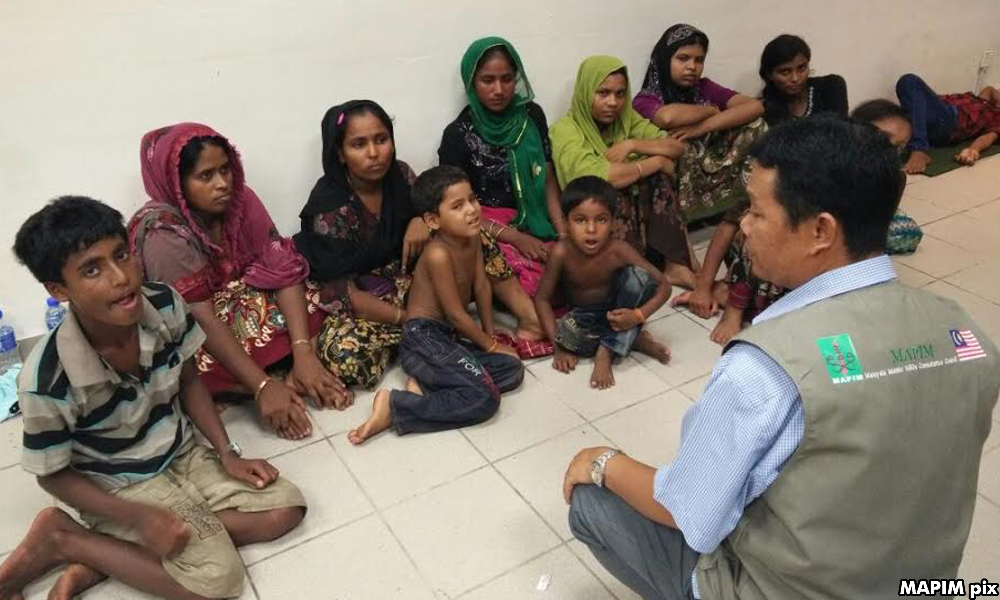

Rohingya men don't agree with child marriages, says community worker
A community worker with the Penang-based Stop Human Trafficking Coalition said Rohingya men do not agree to marrying child brides and would comply with marriage laws in Malaysia.
"But the situation in Malaysia can sometimes be different. There are no human rights for our community here, while the refugees are prone to arrests. It is difficult to make even a phone call to inform our families when we get arrested,” said the Myanmar refugee, who requested anonymity...
A community worker with the Penang-based Stop Human Trafficking Coalition said Rohingya men do not agree to marrying child brides and would comply with marriage laws in Malaysia.
"But the situation in Malaysia can sometimes be different. There are no human rights for our community here, while the refugees are prone to arrests. It is difficult to make even a phone call to inform our families when we get arrested,” said the Myanmar refugee, who requested anonymity.
“Nobody cares or are aware of our situation. So when you have a daughter, aged 12 to 13, she is considered a burden.
"So they marry her off as there are no human rights for girls here; besides, the parents feel she has nothing to do at home when she has no education or skills,” said the community worker.
“The Rohingya community here faces many challenges. We (community workers) discuss this topic with the men and they have said they do not like the situation of child brides, they do not agree to it, so our job here is to continue to educate the people,” he added.
The volunteer said this during the screening of independent filmmaker and journalist Mahi Ramakhrishnan’s multiple award winning movie Bou (Bride) at the just-concluded 2019 Refugee Festival in George Town on Sunday.
The community worker in his 30s, who arrived in Malaysia in 2014, said those who know of child brides being bought or sold to Rohingya men must report the matter to the United Nations High Commission on the Rights of Refugees.
“At least, the commission has some power to control the situation,” he said, speaking on behalf of the 30-odd Rohingyas who attended the three-day event, which was organised by Beyond Borders and Think City.
“We, in the community, do not support at all the issue of child brides,” the community worker said to loud applause from the 100-strong crowd at the private screening of Mahi’s 30-minute movie.
He was responding to a question by former Universiti Sains Malaysia lecturer Chan Lean Heng who asked the Rohingya men, who attended the event, to state their stand on child brides.
She asked if they agreed with the practice of buying child brides from traffickers and marrying them, and if they would continue doing it while they lived in Malaysia.
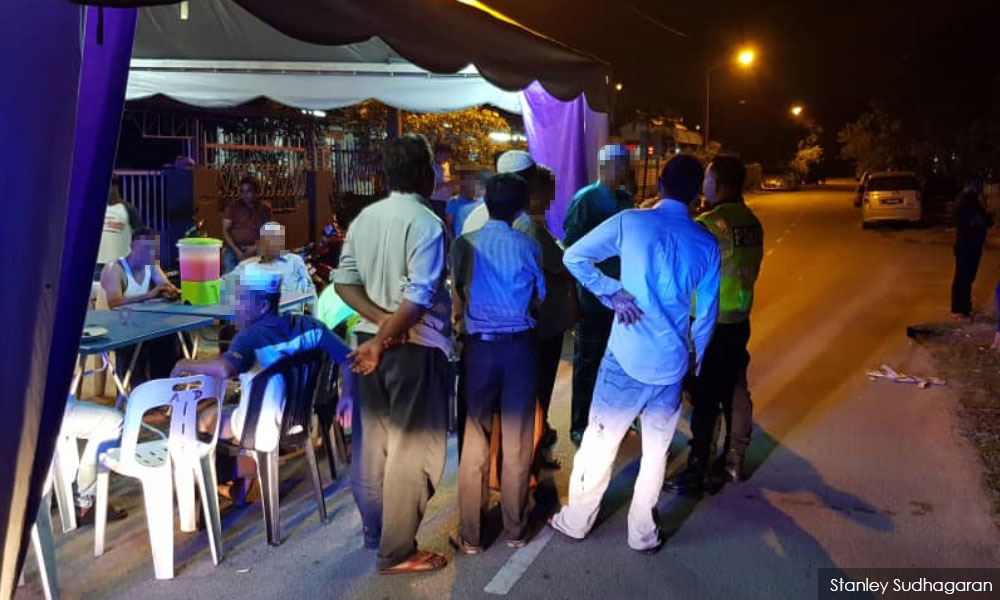
On Feb 8, social activist Stanley Sudhagaran prevented a child marriage in Prai, as her family, who are Rohingya, did not get the permission to marry her to a 21-year-old man from her community. The girl was only 11 years old.
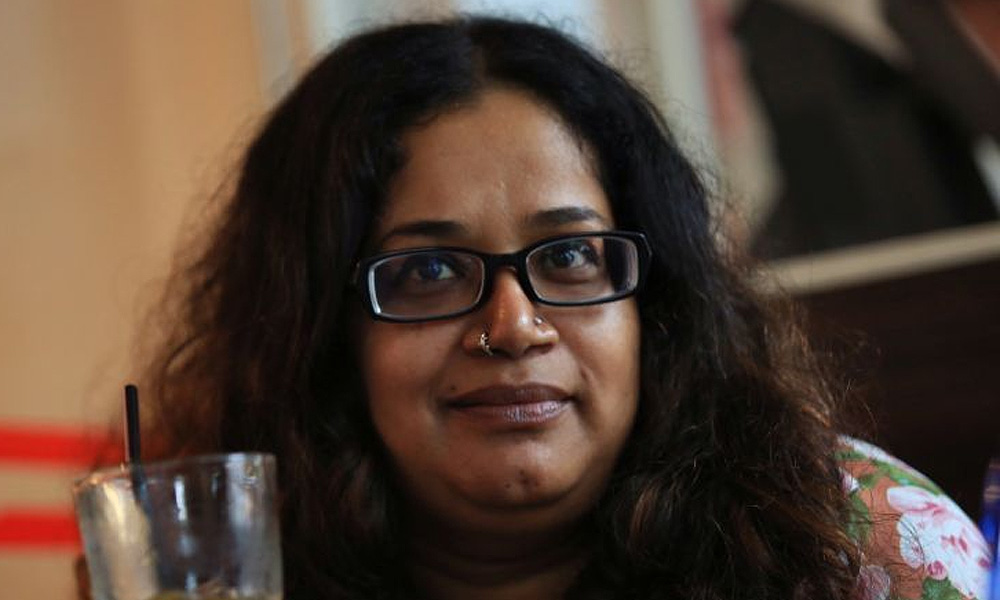
During the question-and-answer-session last night, Mahi (above) said she decided to investigate the issue after discovering that child brides were selectively picked for Rohingya men in Malaysia as there is a big demand for the girls here.
“The men themselves commission for the girls by contacting the agents or traffickers; they will pick the girls by looking at their photos; some do not even get to see photos.
“Attractive girls fetch a higher price, but those who are not happy with the ones they get, bargain for a lower price,” Mahi explained.
“Some of the men interviewed said they preferred a girl from their hometown instead of those who are in Malaysia, as the latter had been exposed to a different lifestyle here and would not obey him,” she added.
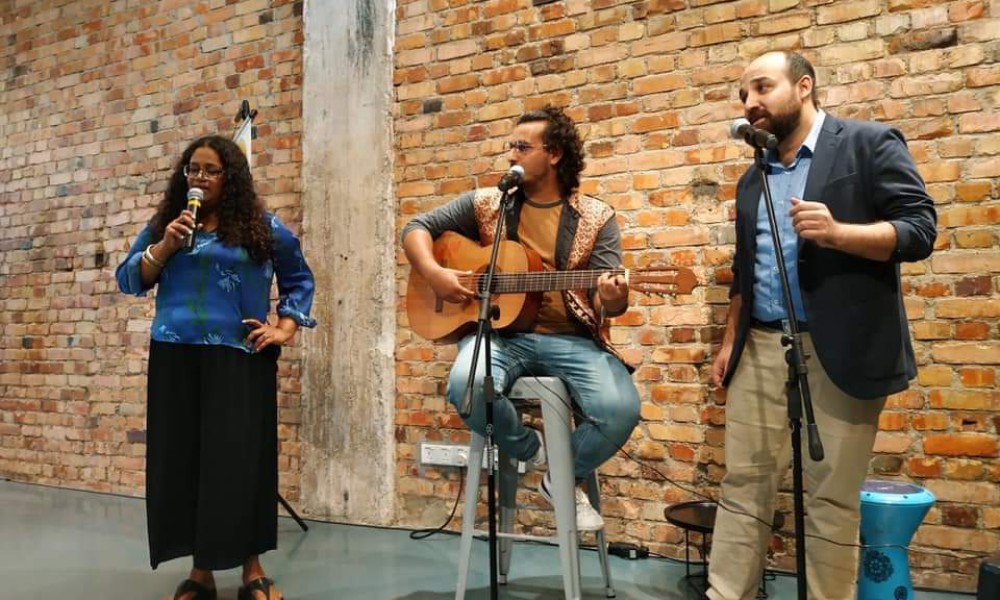
Mahi said she fell into a depression after hearing about the atrocities the girls had suffered when they were bought and sold as child brides.
She went for counselling sessions and her condition kept her away from filmmaking for about two years.
Although the situation is sad, Mahi said she draws inspiration from the girls she had met and interviewed, saying they gave her hope for things to get better.
She said the girls would often say they want to work, or learn new skills like how to speak, read and write in the Malay language so that their lives can improve. They always want their children to have better lives
“There was a girl who was abused and raped by traffickers and the man in her life, but her courage would put anyone of us to shame,” added Mahi, who lives in Kuala Lumpur.
To address the issue of child brides, Mahi said NGOs need to talk to community leaders, but although efforts are made in this direction, it was a slow process.
She shared her experience of how difficult it was to produce a film, especially when she lacked funds, saying “it was tough even to get US$100 from anyone”.
“But my team went ahead with it despite the lack of funding because the story of child brides had to be told,” she said.
In Malaysia, civil society organisations and United Nation agencies have called for the banning of child marriages, by setting the age for marriage at 18 for all legal frameworks, including civil, Muslim and native customary law marriages without exception.
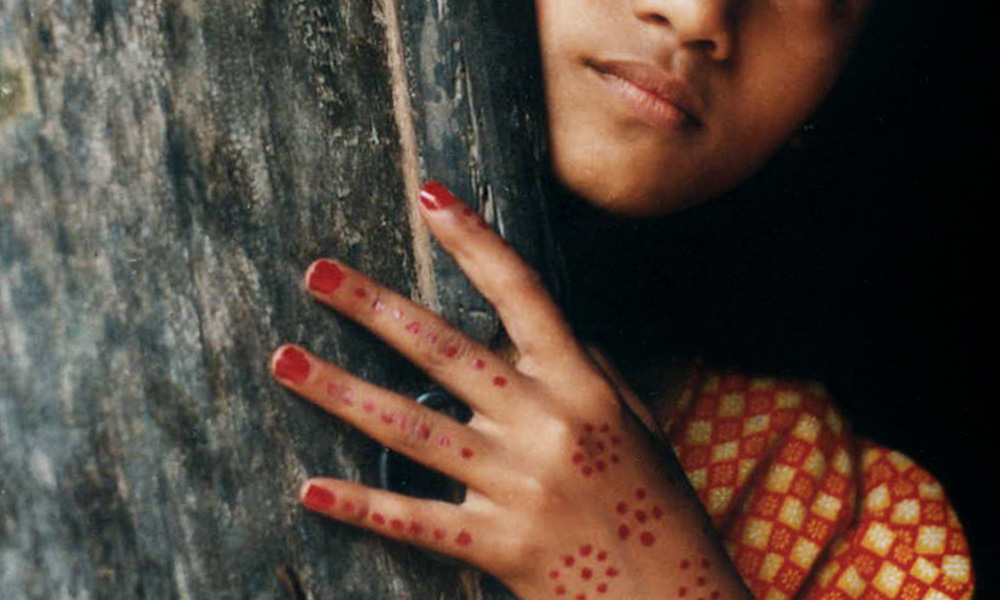
The issue of child brides is a sensitive one as child marriages continue to be permitted under the Law Reform (Marriage and Divorce) Act and Islamic Family Law.
This is despite the withdrawal of the state party’s reservation to article 16 (2) of the Convention on the Elimination of Discrimination against Women (CEDAW).


Report this comment
Are you sure you want to delete this comment?
This action cannot be undone.