


Student activists welcome 'confused' prince to attend Rome Statute forum
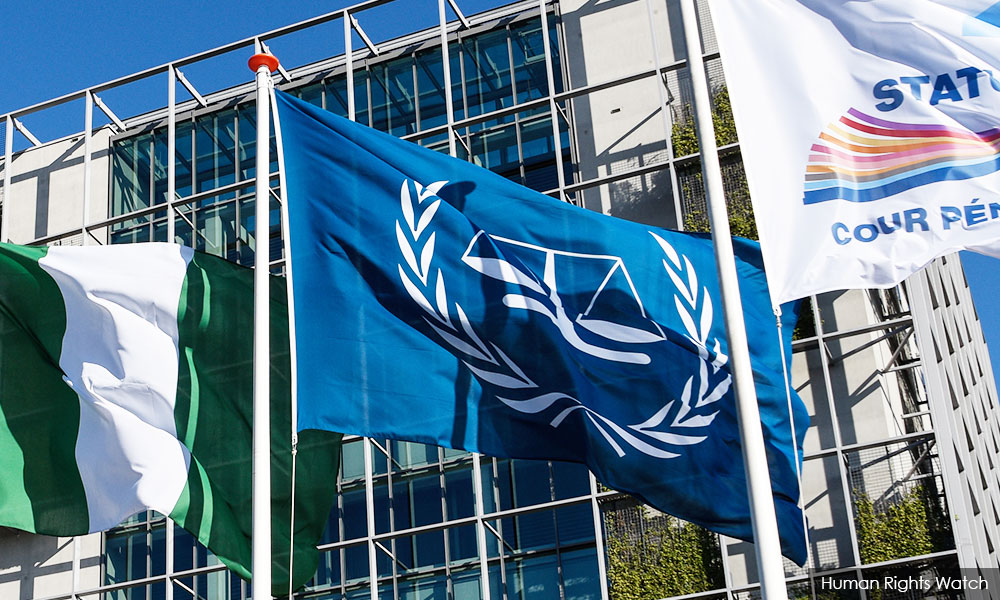
A group of student activists have welcomed Johor crown prince Tunku Ismail Sultan Ibrahim to attend a forum on the Rome Statute of the International Criminal Court (ICC) they are organising.
Tunku Ismail was opposed to Putrajaya inking the treaty, which Putrajaya eventually decided to withdraw from...
A group of student activists have welcomed Johor crown prince Tunku Ismail Sultan Ibrahim to attend a forum on the Rome Statute of the International Criminal Court (ICC) they are organising.
Tunku Ismail was opposed to Putrajaya inking the treaty, which Putrajaya eventually decided to withdraw from.
Responding to a question, student activist Asheeq Ali Sethi Alivi said the crown prince himself was “confused” about the Rome Statute.
“We welcome his attendance at the forum. I would be delighted if he attends,” he told reporters at Universiti Malaya today.
Apart from Asheeq, the other student activists are Ainina Sofia Adnan, Nurhuda Ramli, Suhail Wan Azahar, Ahmad Taqiyuddin Shahriman, Wong Yan Ke, Chong Kar Yan, Nik Azura Nik Nasron and Siti Nurizzah Mohd Tazali.
Rome Statute forum
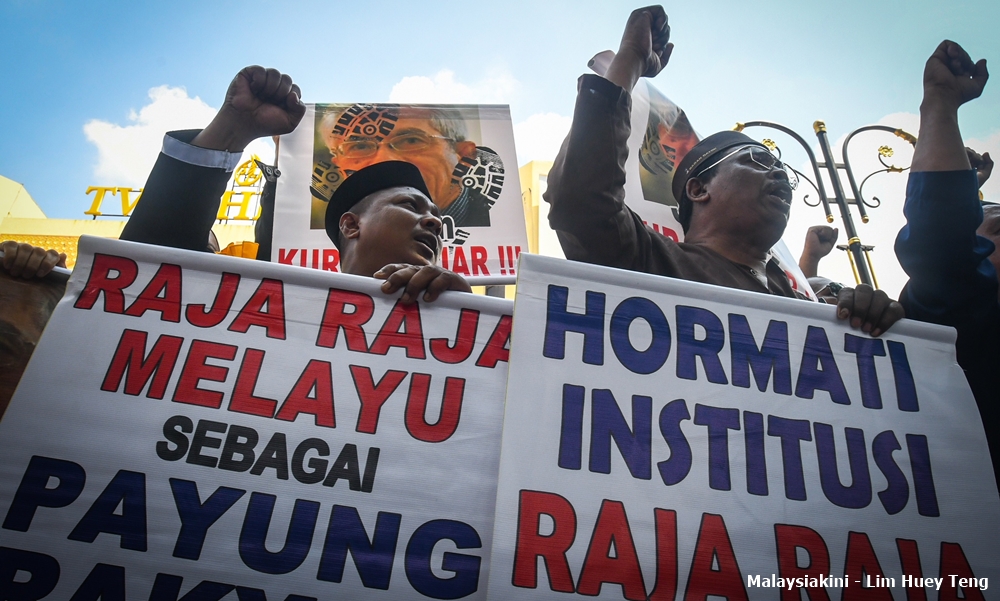
The students had previously leaked an executive summary of an academic paper, which they claimed was used to convince the Conference of Rulers to reject the Rome Statute.
“After we leaked the paper to the rakyat on April 7, 2019, there was a lot of speculation raised which involved everyone, especially attorney-general Tommy Thomas, academic Shad Saleem Faruqi and the four authors of that executive summary.
“Yet until today, there has not been a single response or statement from the authors of the executive summary, nor from the attorney-general himself.
“That is why we feel there is a dire need for everyone involved in presenting the paper on the Rome Statute to the Conference of Rulers to face the rakyat,” he said.
As such, the lineup for the planned ‘Malaysia and the Rome Statute’ forum includes Thomas, Shad Saleem, Noor Farida Ariffin of G25, lawyer Lim Wei Jiet and Asheeq himself.
So far, only Tommy has confirmed his attendance to the forum.
Asheeq added that the organisers have done what is necessary to hold the forum on April 27 at the Tun Suffian auditorium, Universiti Malaya.
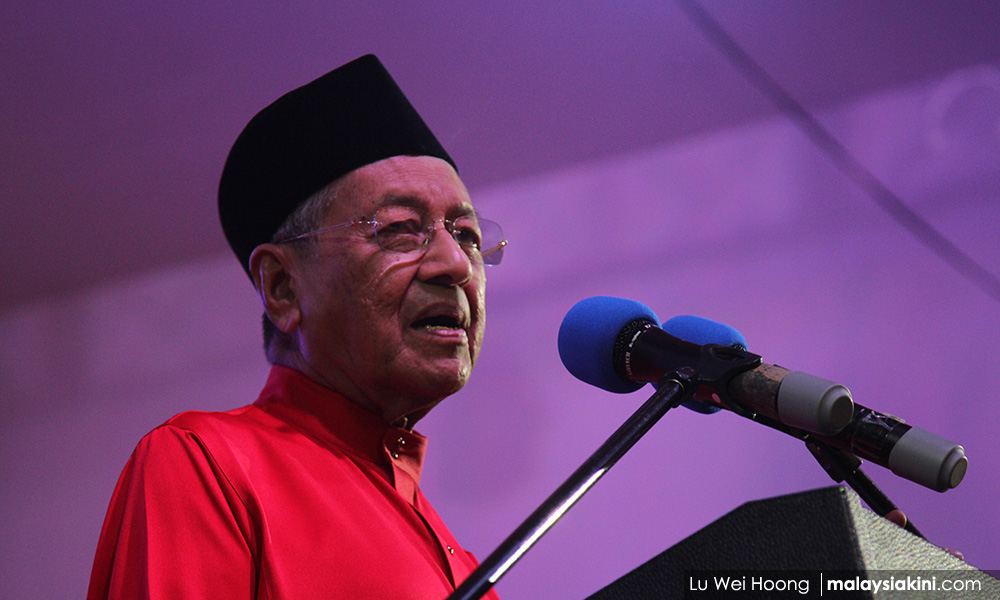
Earlier this month, Prime Minister Dr Mahathir Mohamad announced that Malaysia would withdraw from the Rome Statute, after having ratified the treaty.
He stressed, however, that the decision was not made due to concerns about the treaty endangering the country, but rather the public confusion created by a particular unnamed person “who wants to be free to beat up people and things like that.”



Report this comment
Are you sure you want to delete this comment?
This action cannot be undone.