



SB man: Thais may have 'encouraged' illegal migration into M'sia
WANG KELIAN RCI | Malaysian intelligence previously learned that Thai authorities had transported undocumented migrants to be detained at temporary camps near the Malaysian-Thai border.
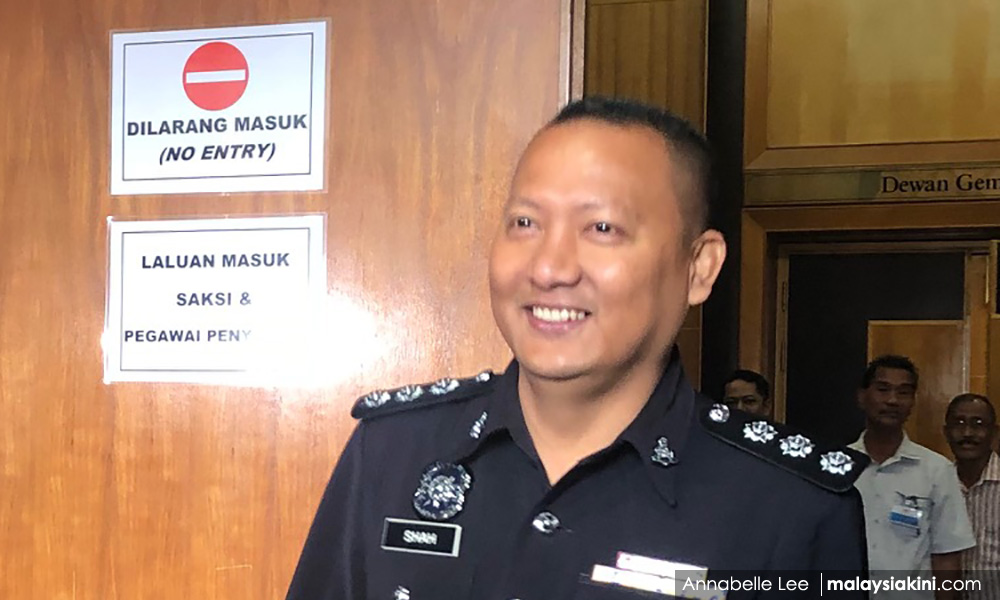
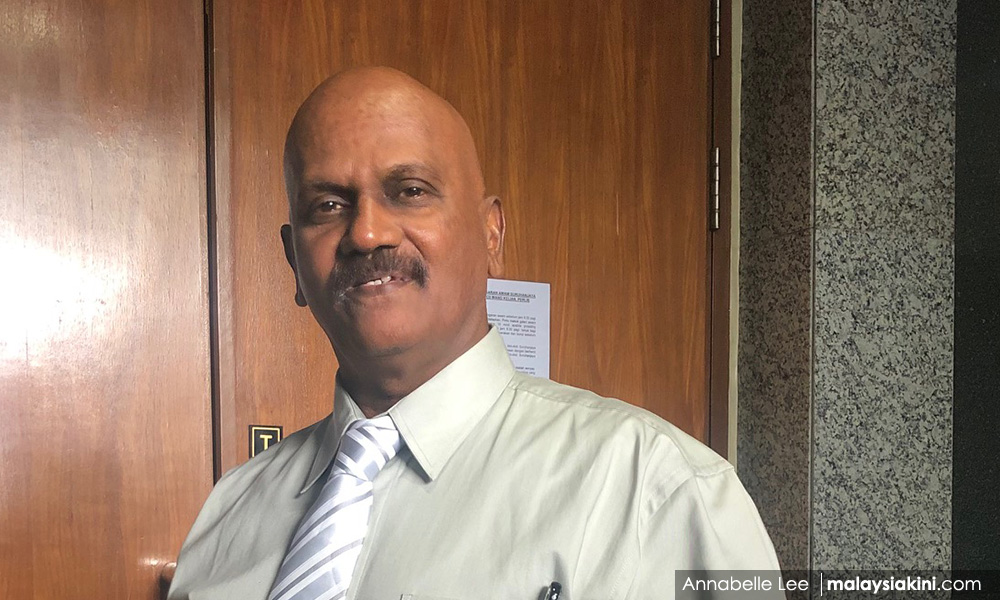
ASP Jamaluddin Shah Mohd Jawan, who was stationed at the border as a Special Branch (SB) officer from 2006 to 2015, said he believed that Thai authorities were indirectly “encouraging” the migrants to cross over into Malaysia.
WANG KELIAN RCI | Malaysian intelligence previously learned that Thai authorities had transported undocumented migrants to be detained at temporary camps near the Malaysian-Thai border.
ASP Jamaluddin Shah Mohd Jawan (above), who was stationed at the border as a Special Branch (SB) officer from 2006 to 2015, said he believed that Thai authorities were indirectly “encouraging” the migrants to cross over into Malaysia.
Testifying before the Wang Kelian Royal Commission of Inquiry (RCI) today, he said he had discovered how undocumented migrants detained in different parts of Thailand were being sent to temporary camps at the border town of Sadao, which is located near Genting Perah in Perlis.
“If their lock-ups in other districts were full, the detainees would be sent south. We saw this as an excuse to bring the detainees to Sadao and then onto Padang Besar (in Perlis) before coming into our country,” he said.
Asked by RCI deputy chairperson Norian Mai if he was implying that the Thai authorities were indirectly encouraging the detainees to enter Malaysia, Jamaluddin answered “Yes”.
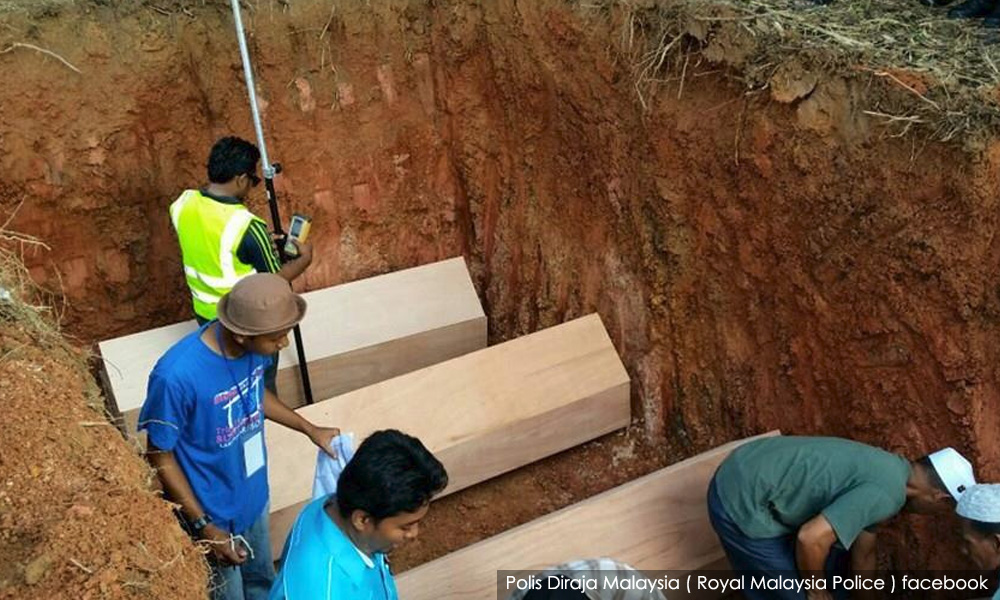
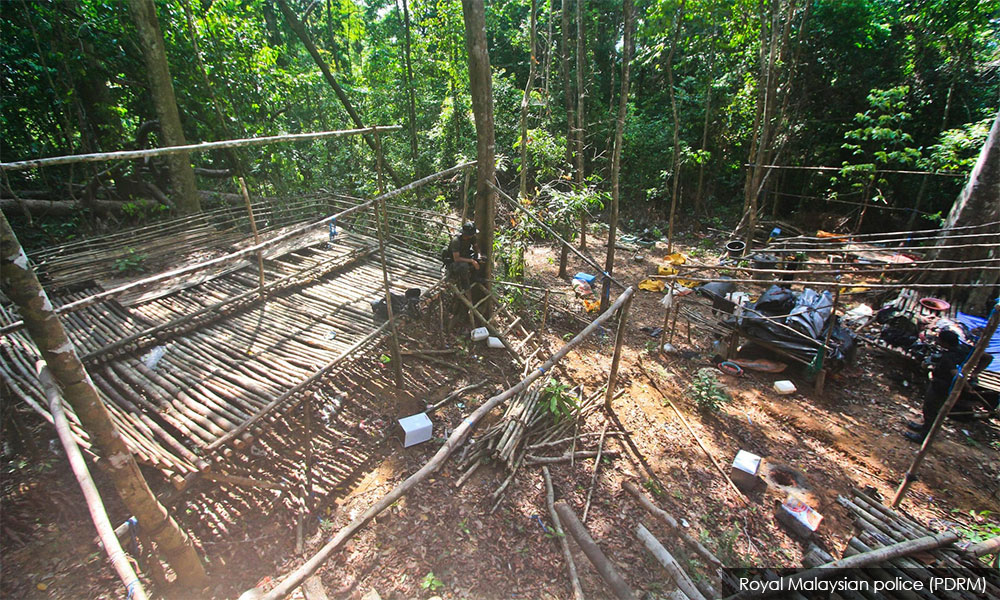
“Based on information we obtained, yes. And I observed that these Thai temporary camps were exactly the same as the (jungle) camps we uncovered in our country.
“Not a single thing we found in the jungle camps were from our country,” he revealed, adding the two camps were also structurally similar.
The jungle camps he referred to were the human trafficking camps which police first uncovered in January 2015 deep in the jungles of Wang Kelian, Perlis. Graves and human skeletons were also found.
Jamaluddin said he had confirmed his suspicions through interviews with undocumented migrants arrested by Malaysian police.
“These undocumented migrants who entered Malaysia were the same ones who were previously detained in Thailand,” he said.
The former SB officer said he had reported all this information to his superiors for further action.
'We should build a wall'
Pressed if he believed that Malaysian authorities were complicit in the arrangement, Jamaluddin said "No".
“It was mostly by the other side. On the Malaysian side, we were not involved in it directly [...] but maybe some of our people took advantage of the situation,” he answered.
However, he stressed that he had advised the National Security Council (NSC) at the time to fortify Malaysia’s borders to prevent encroachment but to no avail.
This was especially along an 11km mountainous stretch in Perlis where there was nothing demarcating the two nations. Neither did the police patrol the area frequently due to its challenging terrain.
“I already asked the NSC to build a wall or a fence there. “[...] to get there from the nearest police station, you need to travel 700 to 800 metres. The area is very hilly and difficult to get to,” he said.
Names named in closed-door session
Jamaluddin was also asked to verify a list of Malaysians previously alleged of being accomplices to a human trafficking syndicate in Wang Kelian.
He said he recognised “some” of the names as they were previously monitored by the Special Branch.
When pressed to reveal who exactly was being monitored, Jamaluddin declined to answer and gestured to deputy public prosecutor Khairul Anuar Abd Halim, who was conducting the proceedings, to indicate that such information could not be disclosed to the public.
Those seated in the public gallery were then requested to step outside to allow the inquiry to continue behind closed doors.
The public hearing resumed about 30 minutes later with testimonies from retired sub-inspectors Abdul Rahman Kashim and Zainuddin Husin as well as Corporal Roshaidi Hussin.
All three, who oversaw the Wang Kelian area back in 2015, said they had arrested a small number of undocumented migrants while patrolling the border but had not known of any large-scale human trafficking activities there at the time.
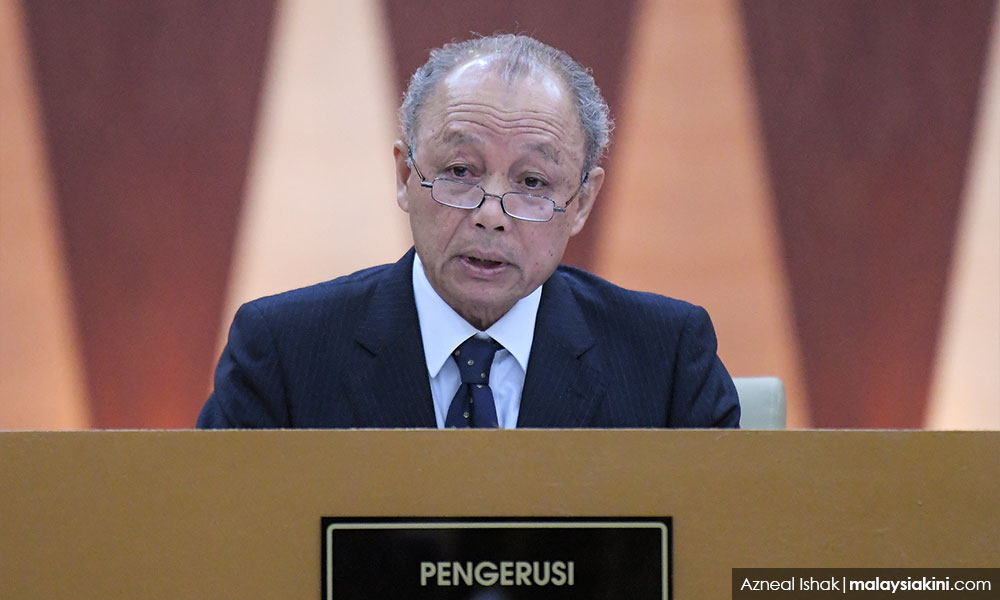
The ongoing RCI was set up by the Home Ministry in January with former chief justice Ariffin Zakaria appointed as its chairperson.
Ariffin is assisted by former inspector-general of police Norian Mai along with five commissioners - former ambassador to Thailand Nazirah Hussin; former Public Accounts Committee deputy chairperson Tan Seng Giaw; former chief prosecutor Noorbahri Baharuddin; former Suhakam chairperson Razali Ismail and former head of research at the Attorney-General’s Chambers Junaidah Abdul Rahman.
The inquiry has been given six months till September this year to prepare a report.
The public hearing will resume tomorrow.


Are you sure you want to delete this comment?
This action cannot be undone.