
MPOC: Reports on orangutan decline in Sabah 'inaccurate, misleading'
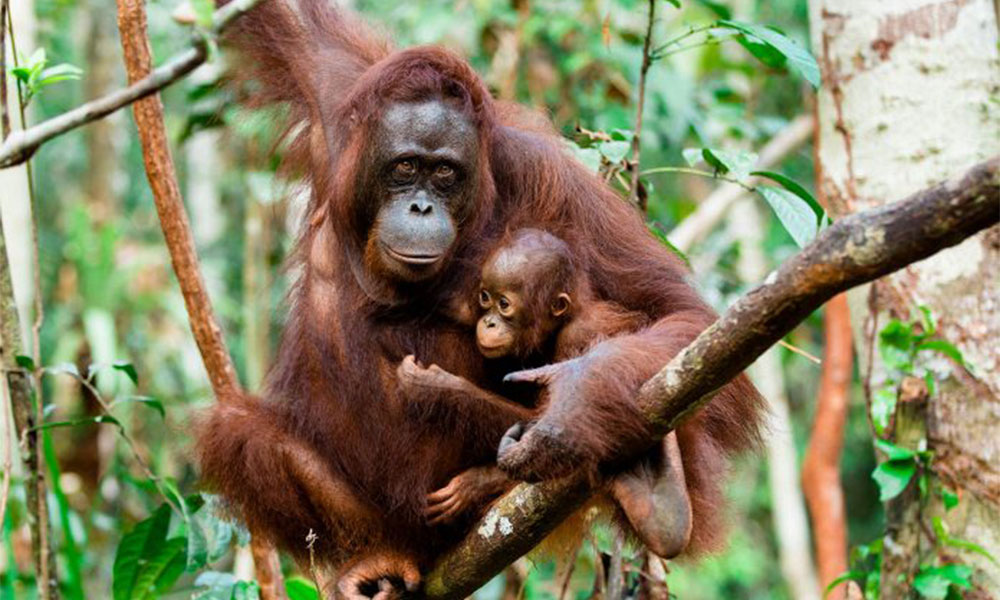
The Malaysian Palm Oil Council today lambasted several media articles regarding a World Wildlife Fund Malaysia report for allegedly pinning the decline of the orangutan population in Sabah on the palm oil industry.
In a statement today, the council claimed that the articles, which were based on WWF-Malaysia's “Changes to Sabah's orangutan population in recent times” report were inaccurate and misleading...
The Malaysian Palm Oil Council today lambasted several media articles regarding a World Wildlife Fund Malaysia report for allegedly pinning the decline of the orangutan population in Sabah on the palm oil industry.
In a statement today, the council claimed that the articles, which were based on WWF-Malaysia's “Changes to Sabah's orangutan population in recent times” report were inaccurate and misleading.
Various media outlets, including Malaysiakini, had covered WWF-Malaysia's summary of the report findings, which stated the orangutan population in forest patches “within oil palm landscapes of the eastern lowlands of Sabah” had dwindled over the past 15 years.
The NGO also shared a survey finding that orangutan numbers had decreased by 30 percent and 15 percent respectively in Kulamba and Tabin, and that at least 650 orangutans had been lost from protected areas of Sabah’s eastern lowlands since 2002.
It was also reported that the overall population has been stable at 11,000 orangutans, and that Sabah remains Malaysia’s stronghold of the Bornean orangutan.
"What Reuters, Malaysiakini and Free Malaysia Today failed to convey was that while there was a decline (in orangutan population) recorded in three of the eight regions surveyed, there was a marked increase in most of the region surveys, some as high as 400 percent.
"WWF have also stated in the study that further studies are needed to determine the exact reasons for this change in numbers.
"Therefore, we are disappointed in the manner of the reporting, which implied that the orangutan declined by 30 percent in Sabah's palm oil estates, although these figures referred to protected forests surrounding oil palm estates," MPOC said.
However, the WWF-Malaysia statement quoted in the media reports had referred to forest patches within oil palm landscapes, and not within oil palm estates.
"The bigger picture here is that the overall orangutan population has been stable in the last 15 years, and that is not possible without the collaboration of the Malaysian palm oil industry which is one of the most important stakeholders in wildlife conservation in Sabah," the council added.
WWF-Malaysia's summary of its report findings had made passing reference to increases in the orangutan population in certain parts of Sabah.
The full report, published in Plos One, can be found here.
MPOC said Malaysia's palm oil industry remained committed to its wildlife conservation pledges, and would continue to collaborate with all stakeholders to ensure its success.
"We hope the media, including Malaysian news portals are also committed to ethical journalism and reporting to ensure that it will be representative of the actual situation on the ground, and not resort to sensationalising the orangutan and palm oil story, which was calculated to attract plenty of attention and readers visiting their websites."