



RSPO investigating Genting subsidiary over plantation hotspots
- UPDATED 5.18PM | Added new developments from RSPO
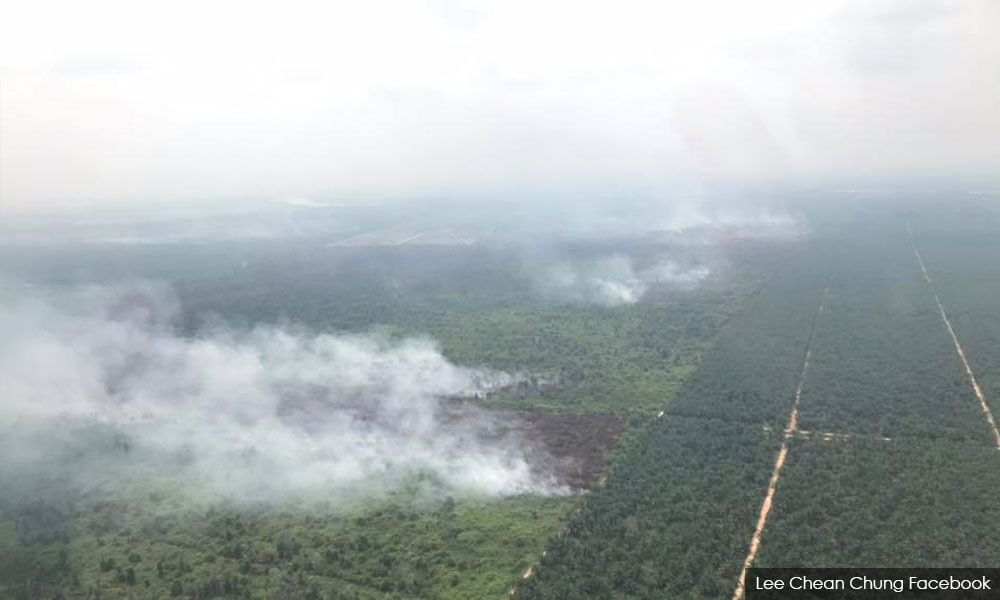
The Roundtable on Sustainable Palm Oil (RSPO) is probing a Genting subsidiary over hotspots at its oil palm plantation in Central Kalimantan.
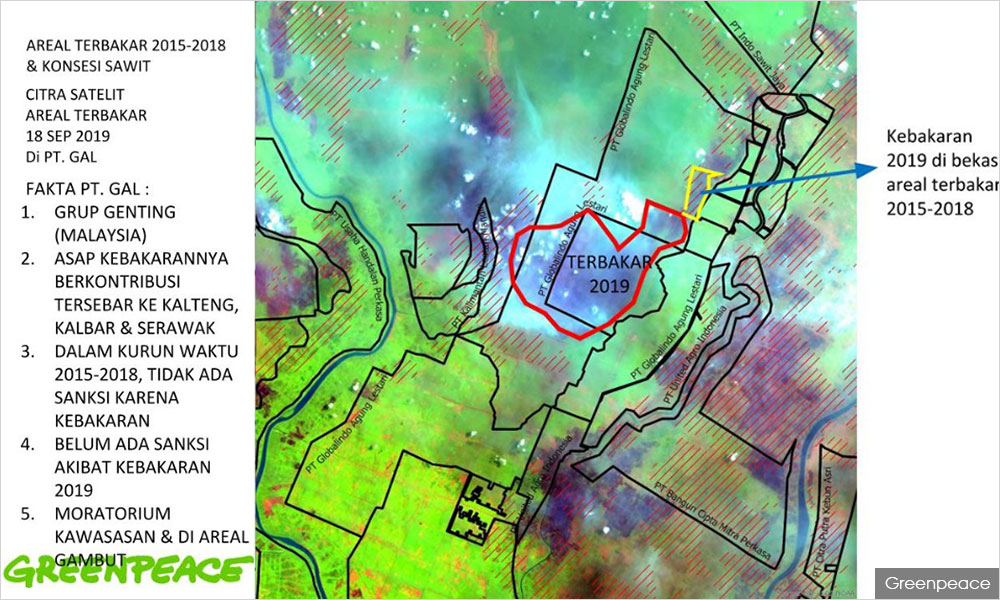
RSPO chief executive officer Darrel Webber said that from January 2018 until September this year, its investigation and monitoring unit (IMU) detected 45 hotspots within PT Globalindo Agung Lestari's concession.
"However, for the last two weeks, IMU noted that hotspot persistence within the area was high - more than four days consecutively per week...
- UPDATED 5.18PM | Added new developments from RSPO
The Roundtable on Sustainable Palm Oil (RSPO) is probing a Genting subsidiary over hotspots at its oil palm plantation in Central Kalimantan.
RSPO chief executive officer Darrel Webber said that from January 2018 until September this year, its investigation and monitoring unit (IMU) detected 45 hotspots within PT Globalindo Agung Lestari's concession.
"However, for the last two weeks, IMU noted that hotspot persistence within the area was high - more than four days consecutively per week.
"Therefore, we’ve initiated the investigation, and it’s still ongoing for further action," he said in an email to Malaysiakini.
RSPO is the body which issues regional certification that recognises sustainable oil palm development.
Webber said RSPO certified members who violate its principles by intentionally using fire in their plantations could face suspension or termination.
He declined to comment further as investigations were ongoing.
Asked to clarify whether action is applicable to member groups or just their subsidiaries, an RSPO spokesperson said the complaints panel would decide based on investigations.
Malaysiakini has contacted Genting Plantations and is awaiting a response.
Environmental group Greenpeace claimed that as of Sept 16, there were 434 hotspots on Genting-owned plantations, including 297 in Globalindo Agung Lestar.
The RSPO's comments were in response to a query by Malaysiakini in regards to a report by Greenpeace about plantation fires in Indonesia from 2015 and 2018.
The NGO claimed that Genting is allegedly among 12 companies with the most amount of oil palm plantation land in Indonesia that were burnt in that period.
This is based on an analysis conducted by Greenpeace Indonesia, by comparing annual "burn scar" maps provided by the Indonesian government, and concession data on oil palm plantation companies.
Genting Plantations has disputed these findings.
Based on its analysis, Greenpeace claimed that from 2015 to 2018, a total of 8,100ha of Genting plantation land in Indonesia was burnt. This is equivalent to about 11,408 football fields, or slightly bigger than Subang Jaya (7,042ha)
This puts Genting in seventh place, out of 12 groups with more than 5,000ha of land burnt, according to Greenpeace in that period. It is the only Malaysian group on the list.
In a further breakdown by companies, Greenpeace alleged that Genting subsidiary, PT Globalindo Agung Lestari, had 5,000ha of its land in central Kalimantan burnt between 2015 and 2018.
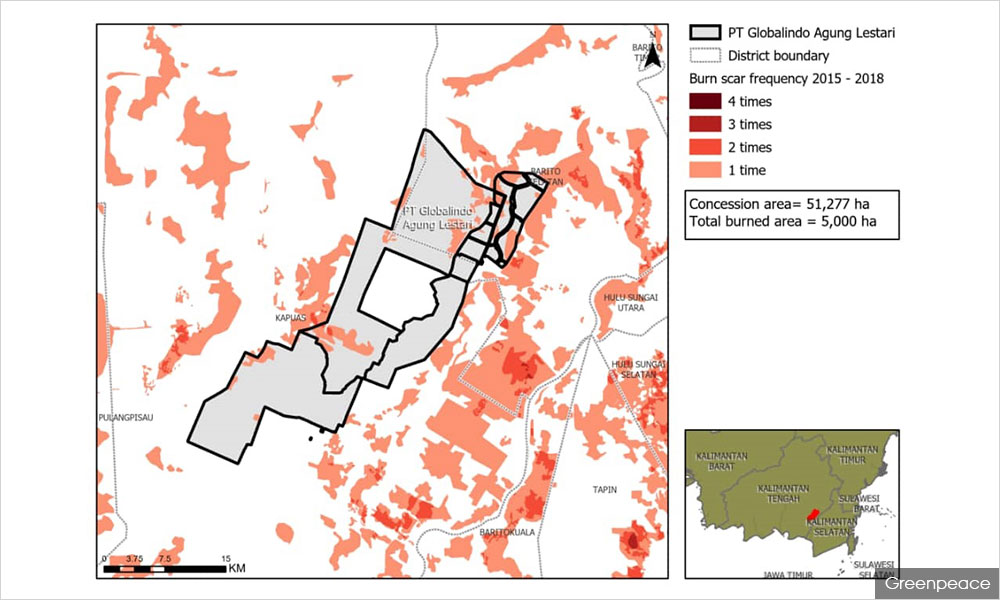
The NGO said neither Genting nor Globalindo Agung Lestari had any serious action taken against them by authorities.
In an email to Malaysiakini, Genting Plantations said it could not comment on the accuracy of the Greenpeace data.
However, it said that based on maps by Indonesia's Environment and Forestry Ministry, the burnt areas were "generally outside" the concession of Globalindo Agung Lestari.
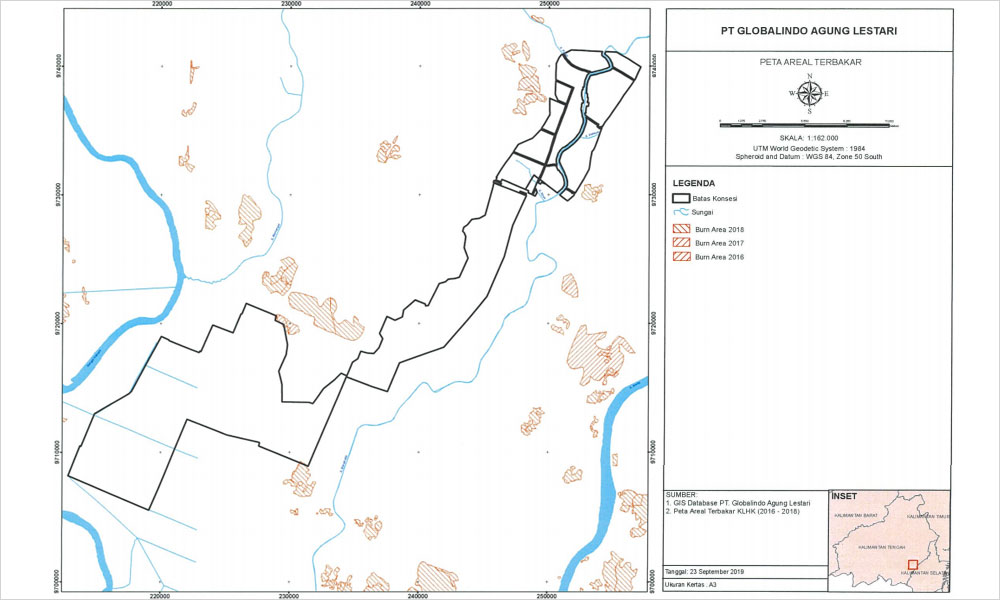
"This is in line with our internal data for 2016-2018, whereby 6.8ha of Globalindo Agung Lestari's land experienced burning.
"Our maps also show 203ha of community-owned land the encountered burning. These community-owned lands were cultivated with other crops and not with oil palm," the company said.
It said this information had been provided to Greenpeace on Sept 23.
Genting has both Malaysian Sustainable Palm Oil (MSPO) and RSPO certification.
Genting Plantations said all fire incidents are reported to authorities and RSPO as required.
It also said that it has a "zero burning policy" in developing its oil palm plantations and implements sustainable criteria in all operations.
"We have hotspot monitoring via satellite in the morning and evening. Fire patrols are conducted every day and the fire team controls put out the fire in coordination with local authority and community," Genting Plantations said.
It added that its RSPO and MSPO certifications have not been affected by the news.
Malaysiakini has contacted, the Malaysian Palm Oil Certification Council which handles MSPO and the Primary Industries Ministry for additional comment.
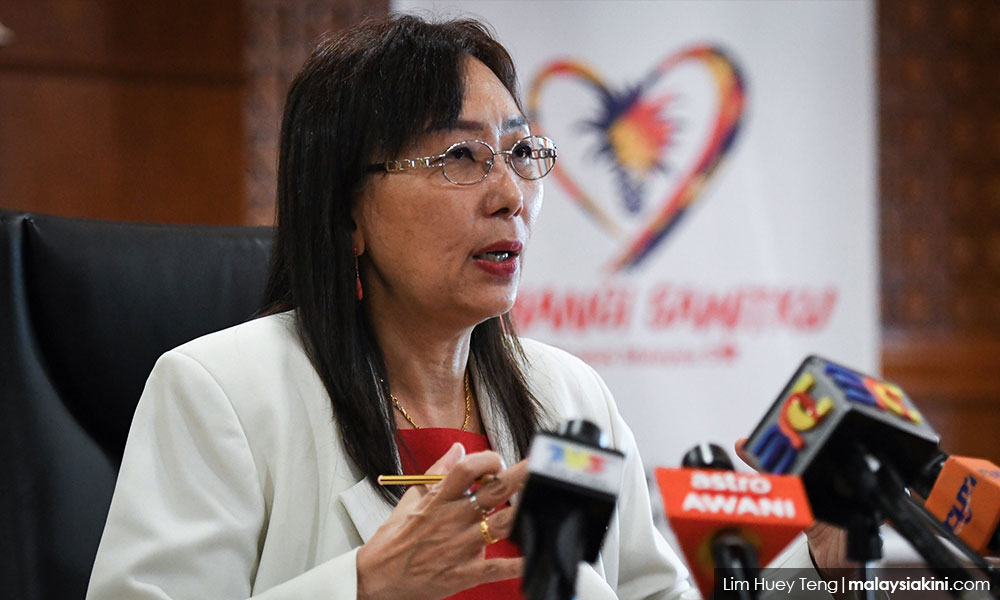
On Sept 13, in response to news that Malaysian companies were allegedly involved in this year's land burning and haze, Primary Industries Minister Teresa Kok had - in the defence of the companies - said industry players knew that open burning would result in cessation of their certifications in both Indonesia and Malaysia.
Genting was not one of the companies named in prior reports.
Palm oil is a controversial resource, as oil palm plantations have been blamed for deforestation and loss of habitat for endangered species like the orangutan.
This has led to anti-palm oil sentiments, particularly in Western countries.
Sustainable certification is meant to assuage concerns over palm oil as a sign that growers are managing their plantations responsibly without further harming the environment.
Greenpeace said its analysis of the burn scar maps also showed that between 2015 and 2018, over 3.4 million ha of land had been burnt in Indonesia, which is almost equivalent to Pahang's landmass (3.58 million ha).
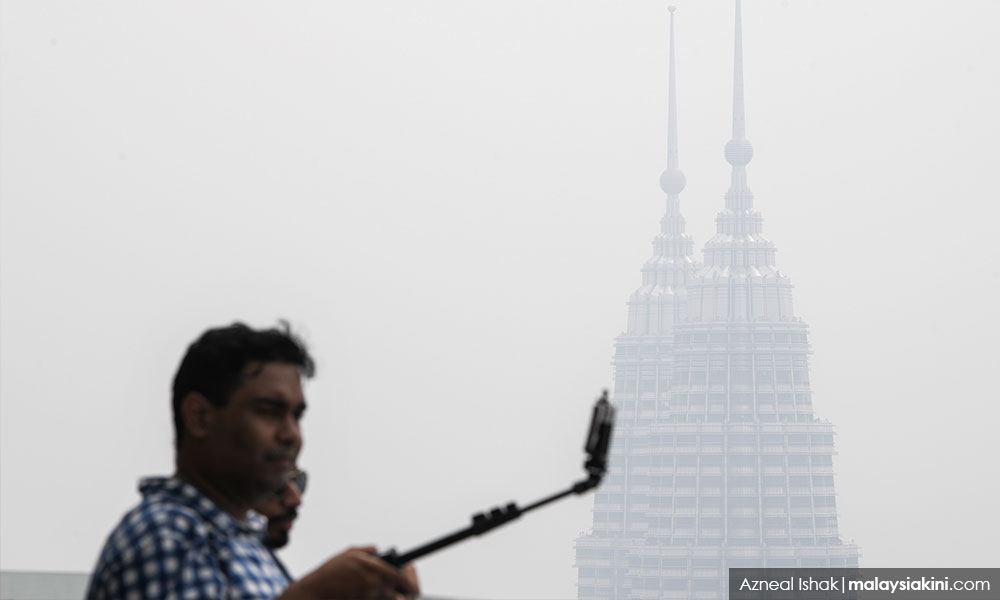
Fires in Kalimantan and Sumatra have blanketed Malaysia in weeks of haze, although the situation appears to be improving with the coming of monsoon winds.
Putrajaya, in response to the haze, is considering the introduction of a Transboundary Haze Act to punish Malaysian companies that cause haze, even if it is in another country.


Are you sure you want to delete this comment?
This action cannot be undone.