


Expert: Pay attention to S'pore, new Covid-19 epicentres possible
INTERVIEW | Although the Covid-19 infection rate in Wuhan is declining, an infectious diseases expert, however, is concerned about possible new epicentres.
According to Dr Christopher Lee, he is paying “close attention” to the developments in neighbouring Singapore.
In an interview with Malaysiakini and KiniTV News Bulletin yesterday, the former head of the Health Ministry's infectious diseases unit pointed to the community spread of the disease in the island state.
Of the 77 cases in Singapore, 53 were locally transmitted. Singapore citizens accounted for 50 cases while permanent residents, three. Twenty-four have recovered.
Five of the Singaporeans had no recent travel history to China, where the virus originated...
INTERVIEW | Although the Covid-19 infection rate in Wuhan is declining, an infectious diseases expert, however, is concerned about possible new epicentres.
According to Dr Christopher Lee, he is paying “close attention” to the developments in neighbouring Singapore.
In an interview with Malaysiakini and KiniTV News Bulletin yesterday, the former head of the Health Ministry's infectious diseases unit pointed to the community spread of the disease in the island state.
Of the 77 cases in Singapore, 53 were locally transmitted. Singapore citizens accounted for 50 cases while permanent residents, three. Twenty-four have recovered.
Five of the Singaporeans had no recent travel history to China, where the virus originated.
In light of this, Lee hoped Singaporean authorities would be able to stay on top of Covid-19 cases by tracing the point of infection.
Failing which, he feared the situation would deteriorate into a “sustained local human-to-human transmission” and result in “unlinked cases”.
“They still have the control (and) they can still track everyone but as more and more pockets come up [...] there could be a risk it might spill out and the public health officials in Singapore may not be able to catch up.
“And once that happens, it becomes too hard (and it becomes) a sustained local human-to-human transmission which you cannot find the link (of transmission),” he added.
Should this happen, Lee said there is not much Malaysia could do to halt the outbreak from spilling over into its shores.
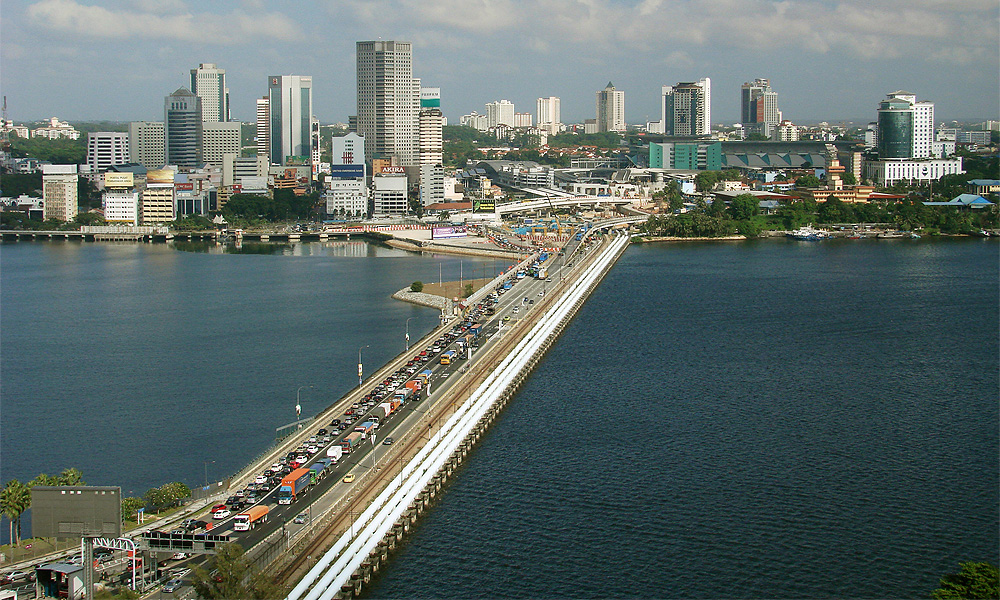
This was especially when more than 300,000 Malaysians cross over to Singapore daily for employment and education purposes alone.
“It's important to watch how successful Singapore is. We have a vested interest that they do a good job,” he stressed.
The Singapore Health Ministry has successfully traced all cases to five locations, which are defined as “clusters”.
However, Singaporean authorities expect that new cases are “likely”. The island state has the third-highest number of Covid-19 cases in the world.
Locking down S'pore won’t work
Lee, who retired three weeks ago as the ministry's deputy director-general, stressed that blocking access to and from Singapore would not stem the outbreak of any unlinked cases by the time they are detected.
“By the time you have this sustained unlinked cases in Singapore, which so far they have not got any yet, how many hundreds of thousands of people would have gone up and down the Causeway over that period of time?
“The horse may have left the stable already,” he said, adding that the World Health Organisation (WHO) also advised against travel restrictions.
The incubation period for the Covid-19 can range between two to 14 days.
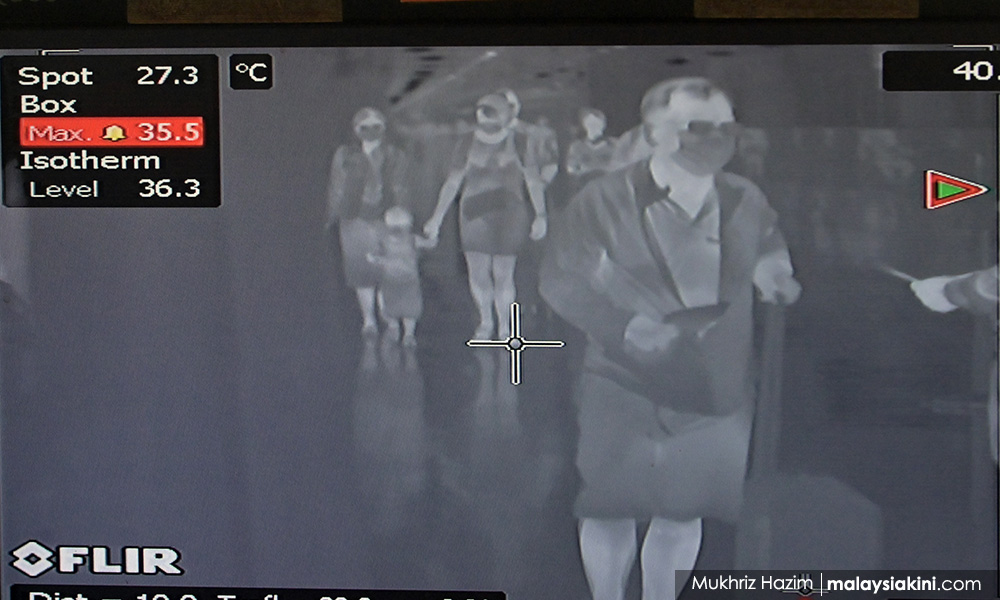
More stringent thermal screening at the Singapore-Malaysia border would help bring down the critical mass of infections, but Lee opined that this method was mere “damage control”.
“We know that you can't catch everyone anyway, but perhaps you can catch a few,” he added.
Start planning now
Due to the possible precarious situation in Singapore, Lee proposed that Malaysia starts formulating mitigation plans right now.
This is to prepare healthcare and security services to be able to handle any influx of Covid-19 cases.
He said such mitigation plans need to extend beyond the Health Ministry to multiple government and society sectors.
“My only advice is we need to plan in case the situation escalates.
“Because to implement these things is not so easy, it is going to take a lot of planning and coordination between the different agencies and different sectors of civil society,” he pointed out.
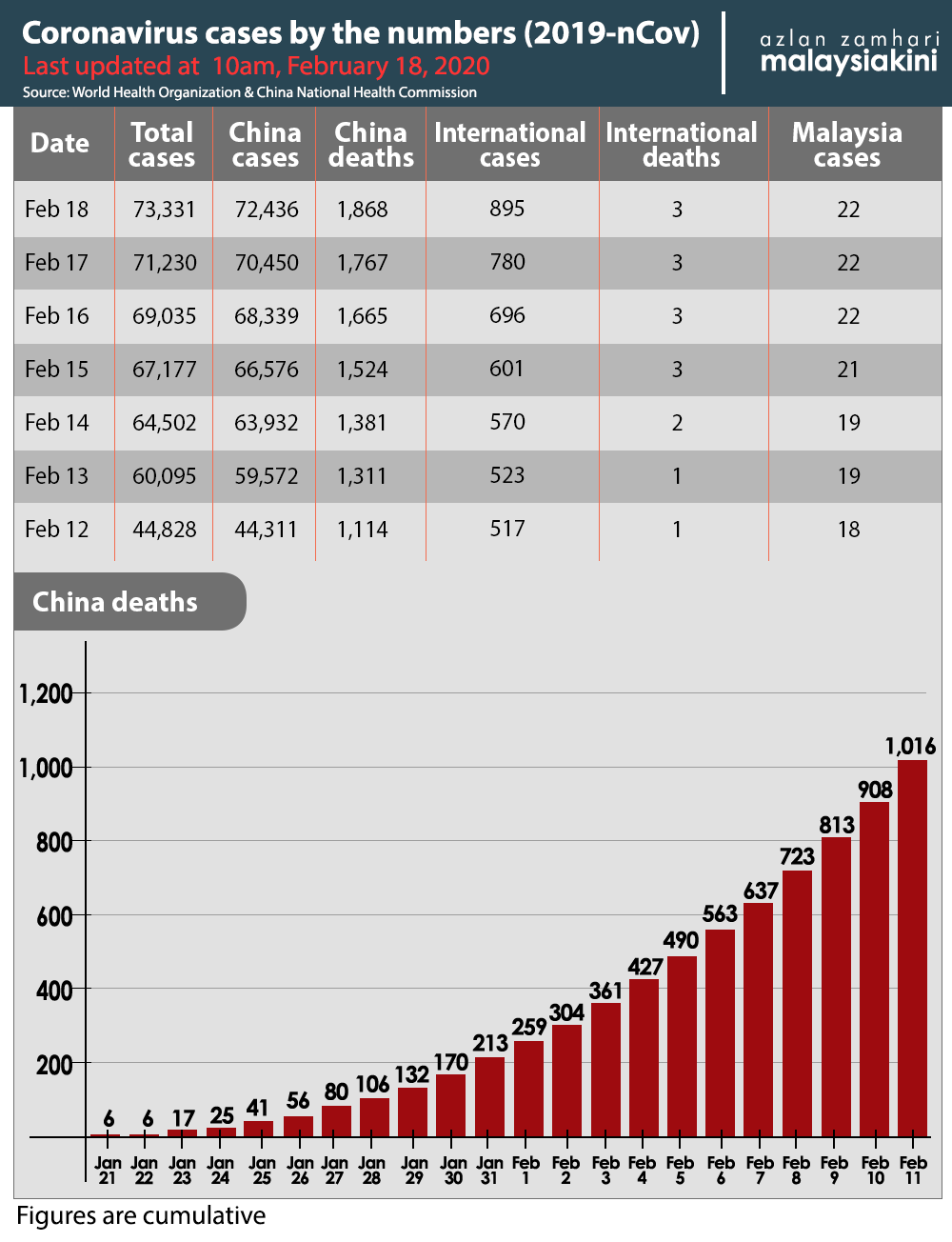
As of Feb 18, Malaysia has 22 confirmed Covid-19 cases - six Malaysians, 15 China nationals and one US citizen. Three of the Malaysians and five of the China nationals were cases that involved local transmissions.
All cases have been successfully traced, and nine patients have recovered.
New epicentres possible
Aside from Singapore, Lee said he is also monitoring the number of unlinked locally transmitted Covid-19 cases in major Chinese cities.
“If it spreads from Wuhan, it would have gone to different cities in China more than (infecting) people coming to Japan, Singapore or Malaysia.
“If you watch Beijing, Shanghai, Shenzhen and all the other big cities to see how much local transmission, (if) local transmission grows then that means in China, it is not sorted out yet,” he added.
Lee further cautioned that major Asian transport hubs like Japan and Singapore have the potential to become the next Covid-19 epicentre.
“If the public health (officials) in these countries do their job well, the more unlinked cases you have that means there could be a new epicentre to blast (the disease),” he said.
According to the latest numbers published in the Hong Kong-based South China Morning Post, mainland China has 72,436 Covid-19 cases and 1,868 deaths.
Japan has the second-highest number of cases, at 619, while Singapore is third. The former has registered one death.
PART 2: Satisfied with Covid-19 measures, doctor recommends ministry to plan ahead
PART 3: Doctor’s advice: Wash hands, disinfect surfaces to protect against Covid-19
This interview was conducted by Prasadh Michael, Tham Seen Hau, Vivian Yap & Annabelle Lee.


Are you sure you want to delete this comment?
This action cannot be undone.