
Shops shutter but some non-compliance seen on first day of control order
CORONAVIRUS | Most shops closed their doors on the first day of the two-week movement control order to combat Covid-19, but some operators who did not comply needed to be ordered to do so by authorities.
This included some restaurants secretly allowing customers to dine-in and some markets, which have not been given an exemption to open, continuing operations.
China Press reported a video clip showing local authorities ordering petty traders of a pasar tani (farmer's market) in Kuala Langat to shut down while some people walked around the market in masks.
"Shut down. All shut down," the officer was heard saying through a loudspeaker from a vehicle...
CORONAVIRUS | Most shops closed their doors on the first day of the two-week movement control order to combat Covid-19, but some operators who did not comply needed to be ordered to do so by authorities.
This included some restaurants secretly allowing customers to dine-in and some markets, which have not been given an exemption to open, continuing operations.
China Press reported a video clip showing local authorities ordering petty traders of a pasar tani (farmer's market) in Kuala Langat to shut down while some people walked around the market in masks.
"Shut down. All shut down," the officer was heard saying through a loudspeaker from a vehicle.
According to the order, only public markets can remain open while pasar tani, pasar malam (night market) and other forms of markets are not allowed to operate.
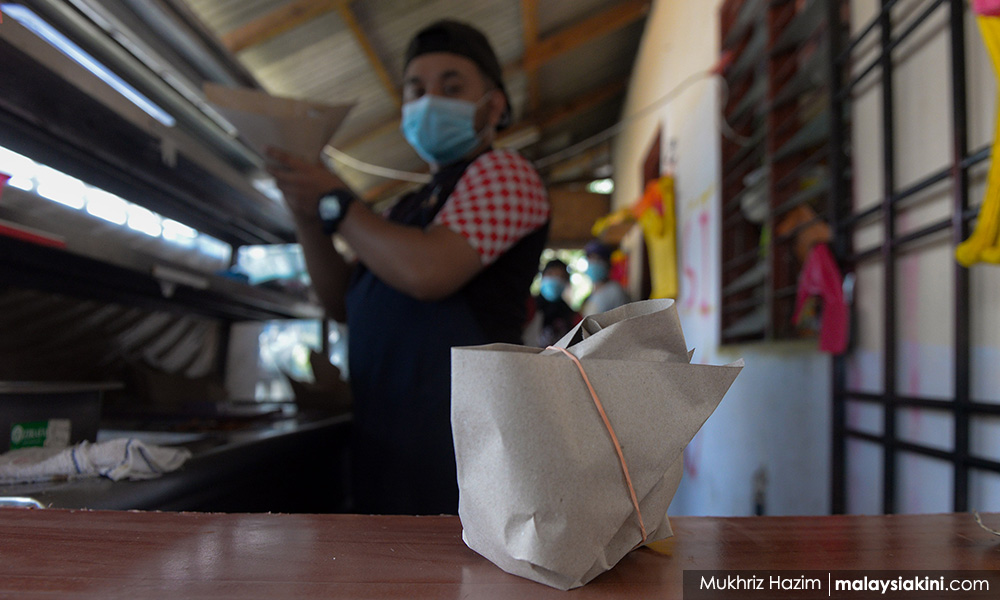
Restaurants are also not allowed to accept dine-in customers and can only provide takeaway and delivery services.
Some of those continuing operations said they are not clear about the order.
The daily reported 70 percent of hawkers were still operating at Pudu market today, citing they have not been informed of the matter.
"The Kuala Lumpur City Hall said it is not allowed, but we have yet to receive any notice. We only came to know about this today," said a hawker.
The order, which commences today and ends on March 31, requires all non-essential businesses and services to close to help contain the spread of Covid-19.
In Sungai Petani, Kedah, a coffee shop operator reportedly allowed customers to dine-in.
In Subang Jaya, a restaurant near the SS15 market continued to serve meals to customers at its premises, reported the Malay Mail.
A worker said he was not informed by his boss.
In Miri, Sarawak, it was reported that the elder folks gathered at coffee shops as usual to have breakfast.
However, other businesses have begun implementing measures to comply with the movement control order.
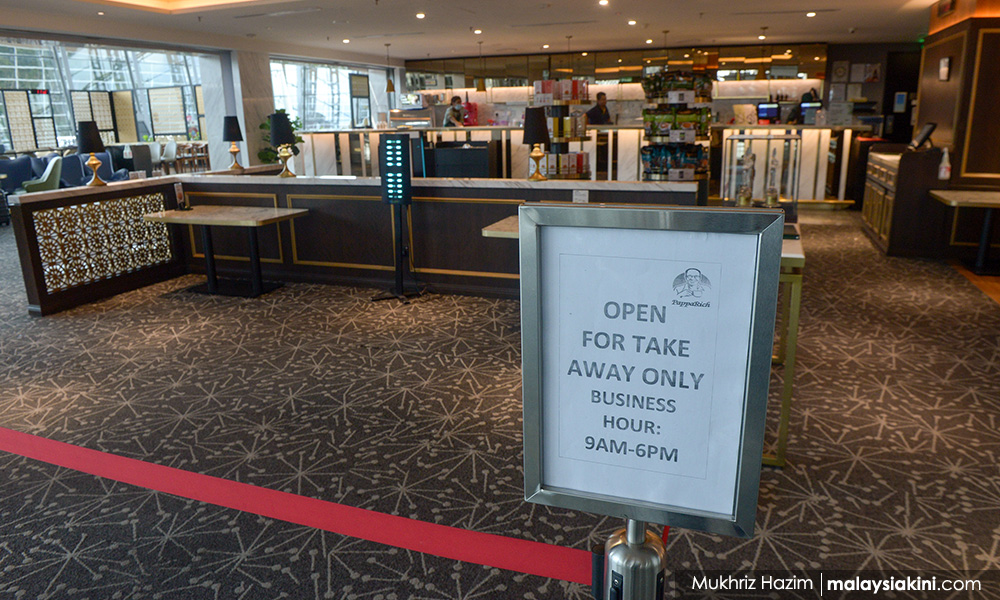
A check in Klang Valley found restaurants putting up notices that they will only provide takeaway services.
Chairs were also arranged with sufficient distance for customers to wait for their takeaway.
Other restaurant operators have cordoned off their dining area while others have taken away the chairs in their premises.
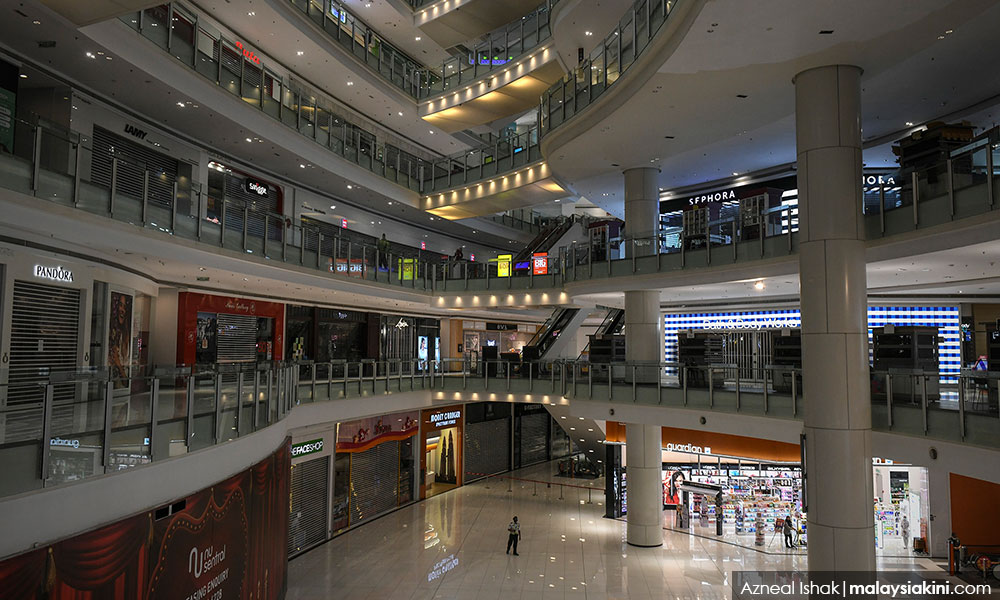
The order turned a normally bustling Klang Valley into a "ghost town" as non-essential businesses shut their doors and more people choose to stay home.