



Ismail told to clarify Defence Ministry's long-term future, fate of White Paper
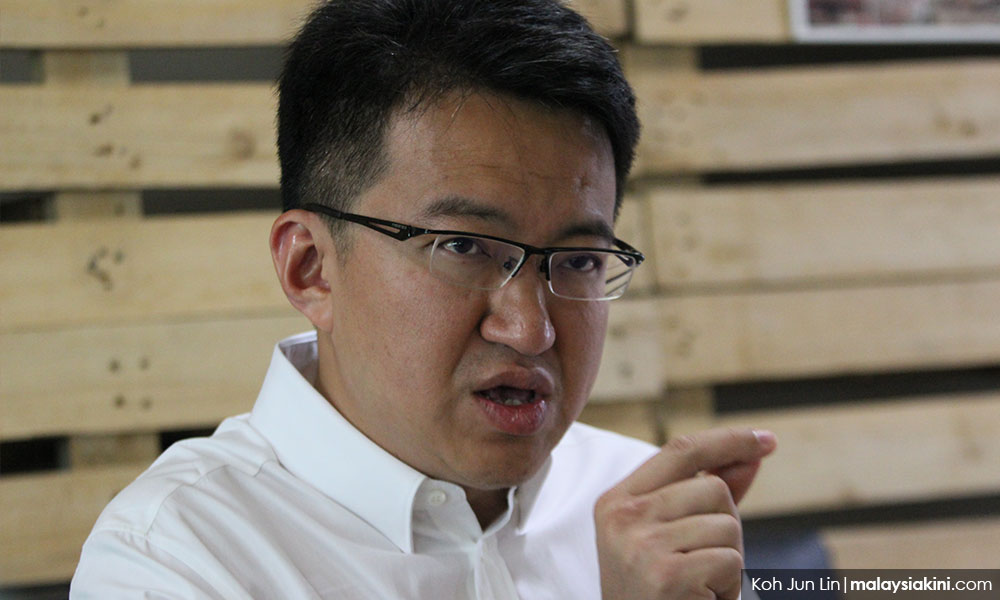
Former deputy defence minister Liew Chin Tong has called on Defence Minister Ismail Sabri to clarify his long-term plans for the ministry and the fate of the White Paper produced under the previous Pakatan Harapan government.
Liew noted that Ismail had recently produced a 100-day report card but noted that they had not touched on the Defence Ministry's long-term future...
Former deputy defence minister Liew Chin Tong has called on Defence Minister Ismail Sabri to clarify his long-term plans for the ministry and the fate of the White Paper produced under the previous Pakatan Harapan government.
Liew noted that Ismail had recently produced a 100-day report card but noted that they had not touched on the Defence Ministry's long-term future.
"The 100-day report card released by the defence minister recently is only a show of daily activities in conducting the movement control order in various stages.
"However, it has done little to clarify the way forward for the ministry and the Malaysian Armed Forces in dealing with other equally pressing strategic challenges.
"Even though the handling of the MCO to combat Covid-19 has been an important and delicate task, it is not the only responsibility of the minister," said the senator in a statement.
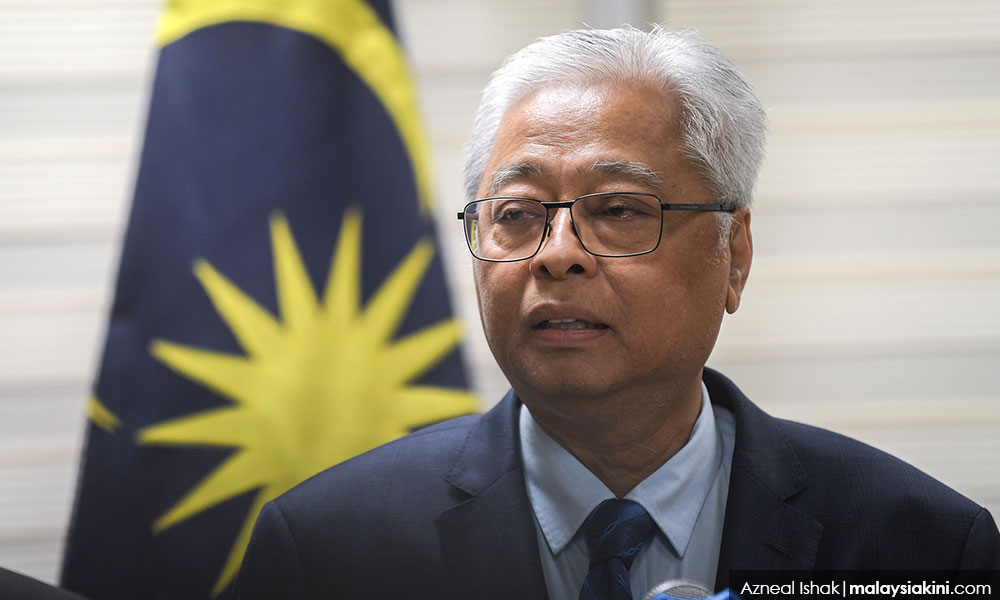
Ismail (below) is also the senior minister in charge of overseeing the MCO curb the spread of Covid-19.
The Defence Ministry White Paper was tabled and approved in Parliament in December last year. It was to chart the country's 10-year defence plan.
Liew noted that Ismail had in March acknowledged the White Paper and said it will use it as a guiding principle.
“This proves that the new government is mature and determined in the practice of democracy.
"The country’s defence is an important agenda that cannot be compromised in any way and each and every policy that has been agreed upon in Parliament will be implemented as best as possible by the government," Ismail had said.
The Perikatan Nasional government took over from Pakatan Harapan after the latter coalition collapsed after losing its majority in the Dewan Rakyat.
Liew said then defence minister Mohamad Sabu and himself were already in the midst of preparing the implementation of the White Paper when the Harapan government collapsed.
"The PN government has to do more than show it is capable of handling day-to-day activities.
"It must be ready to deal with longer-term questions and systemic issues to provide directions for the Armed Forces and the nation.
"Acknowledging the Defence White Paper as the guiding framework helps clarify future directions," Liew said.
The implementation of the White Paper was to follow six principles.
They are: Improving readiness and capability, enhancing defence personnel competence and capacity, ensuring the welfare of service personnel and veterans, enhancing civil-military cooperation, developing science, technology and defence industry and strengthening international cooperation.
"These pillars would be guided in implementation by several cross-cutting guiding principles, which are impact or mission-oriented changes, emphasis on integrity and good governance, being a catalyst for change and innovation, employing data-centric methods, and adopting a whole-of-government and whole-of-society approach," Liew said.


Are you sure you want to delete this comment?
This action cannot be undone.