


Refugee Fest 2020 carries on after backlash fears trigger pullouts
In the past, refugees headlined performances and panel discussions at the annual Refugee Festival in Kuala Lumpur.
Founded in 2015, the festival serves as a platform to connect refugees to Malaysian society by showcasing their talents...
In the past, refugees headlined performances and panel discussions at the annual Refugee Festival in Kuala Lumpur.
Founded in 2015, the festival serves as a platform to connect refugees to Malaysian society by showcasing their talents.
This year, however, empty chairs will mark their absence from the event.
At least a dozen refugees have pulled out as participants following the recent uptick in anti-refugee sentiments, said festival co-director Mahi Ramakrishnan.
“It has not happened before, because we haven't really seen such xenophobia before,” she told Malaysiakini when contacted.
The fear of speaking up persisted even as the festival migrated online.
“For them, the situation is already quite tense and (they feel) there is no need to start talking about it just for the sake of wanting to say something and make the situation even worse.
“The larger refugee society also feels like there is no need to rock the boat,” Mahi (photo) shared.

A rise in anti-refugee and anti-migrant sentiments was observed following news that two Rohingya refugee boats had attempted to land on Malaysian shores - one in April and another in June.
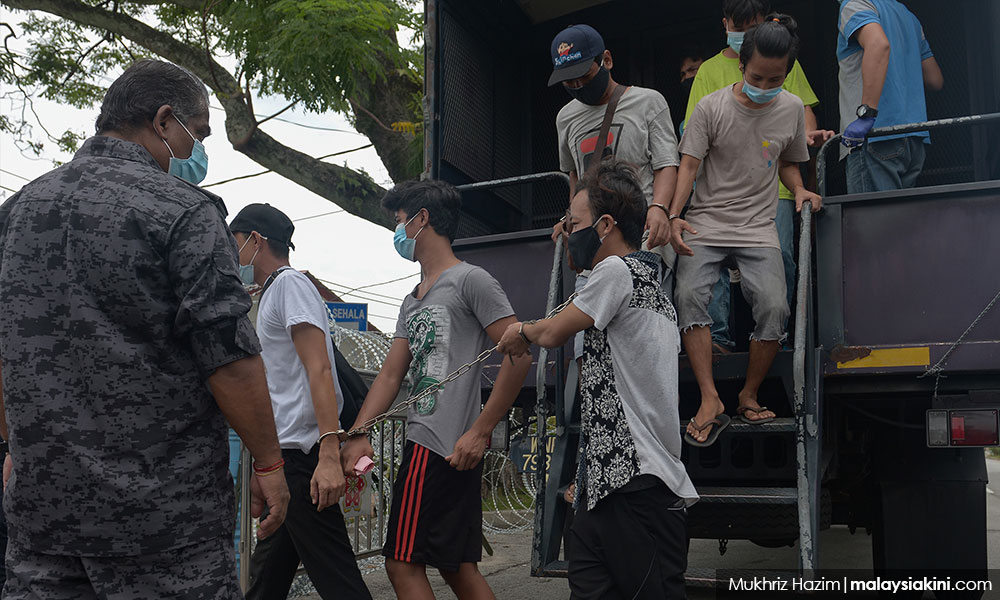
These sentiments were further fuelled by immigration raids on undocumented migrants. The mass arrests led to Covid-19 outbreaks in five immigration detention centres.
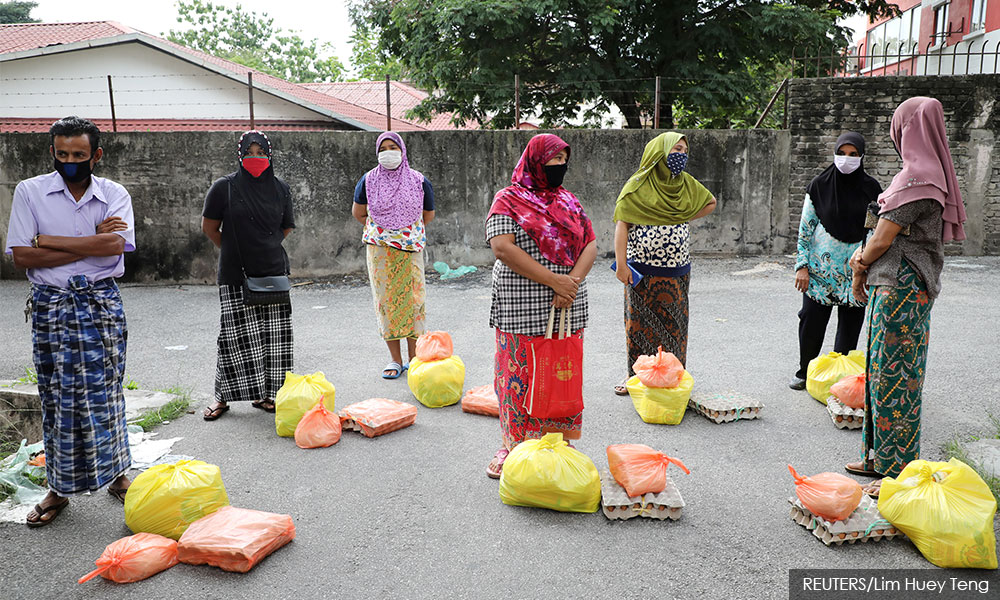
Rohingya community leaders and activists who mobilised aid for refugee communities reported receiving death threats, rape threats and hateful comments on social media.
UN Human Rights experts have since urged Putrajaya to halt the crackdown and “hate campaign” against migrants.
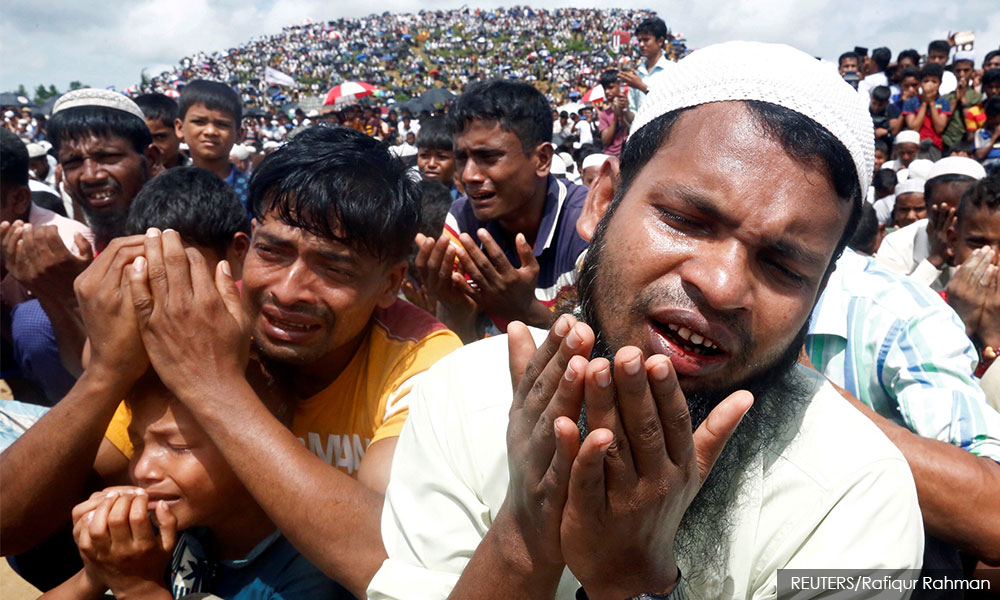
Malaysia does not recognise refugees despite being home to about 177,800 registered refugees and asylum seekers - most of them ethnic Rohingyans from Myanmar. The number of undocumented refugees and migrant workers, meanwhile, is estimated to be between two to four million.
The show must go on
Despite refugees bowing out, the Refugee Festival 2020 will carry on with a diverse pool of performers and speakers from Malaysia and abroad.
They will be doing so in solidarity with refugee communities in Malaysia, said Mahi.
Themed “Inclusion for a Better World”, the festival runs from this weekend until July 10 with all sessions streamed on video conferencing platform Zoom. Links can be found on the festival’s Facebook page.
It features dance performances, plays, theatre workshops, photography presentations, poetry recitals and film screenings - either live or pre-recorded.
Among the contributors are Malaysian dancers Kritika Ramachandran and Sandhya Manoj; Singaporean-based playwright Pavan J Singh; and Kurdish-Iranian journalist Behrouz Boochani, who wrote an award-winning book while detained in the Australian-run Manus Island detention centre.
In panel discussions, an empty chair will be laid out to mark the absence of each refugee speaker.
Amidst the pandemic and xenophobia, Mahi said she had mulled cancelling the event but changed her mind when she realised the festival could provide refugee communities respite and solidarity during these challenging times.
“I believe Malaysians are bigger than hate. I believe that while there are people who are spewing venom, a majority of us would like to stand in solidarity with refugees and migrants,” she said.
“We will break through to people at some point in time,” she added.




Report this comment
Are you sure you want to delete this comment?
This action cannot be undone.