


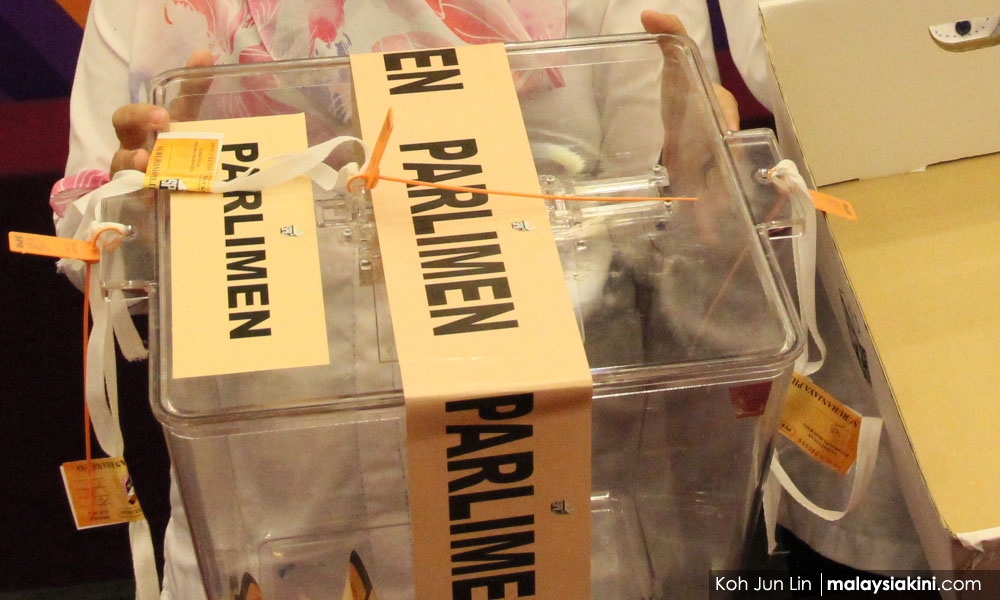

Windows open for snap polls amid fractured Harapan, economic concerns
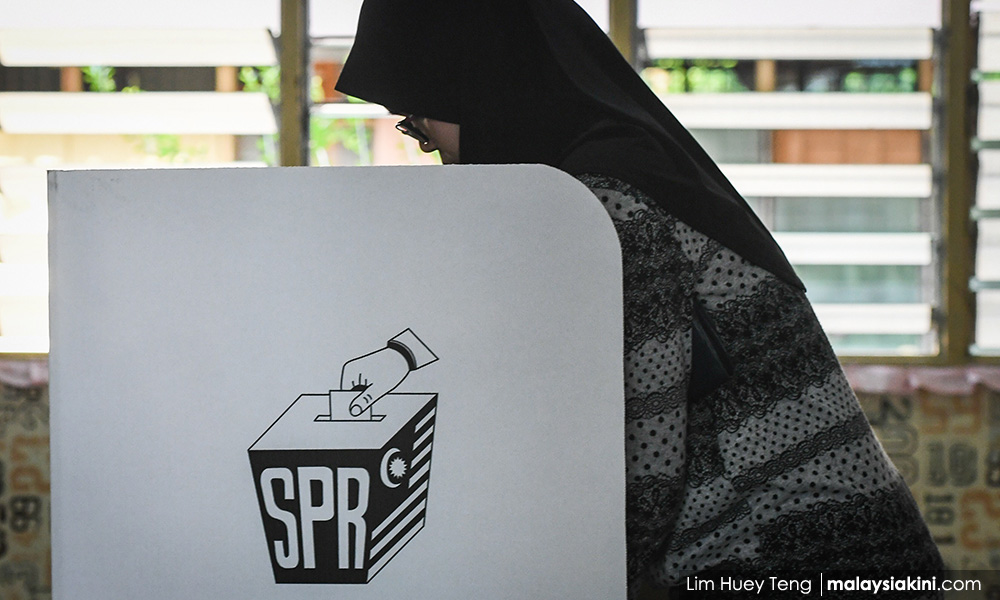
It is no secret that Perikatan Nasional coalition parties are gearing up for a general election although there is no need to hold one until 2023.
Party leaders have been crisscrossing the nation to address their respective grassroots and resolve "problems" ahead of the polls...
It is no secret that Perikatan Nasional coalition parties are gearing up for a general election although there is no need to hold one until 2023.
Party leaders have been crisscrossing the nation to address their respective grassroots and resolve "problems" ahead of the polls.
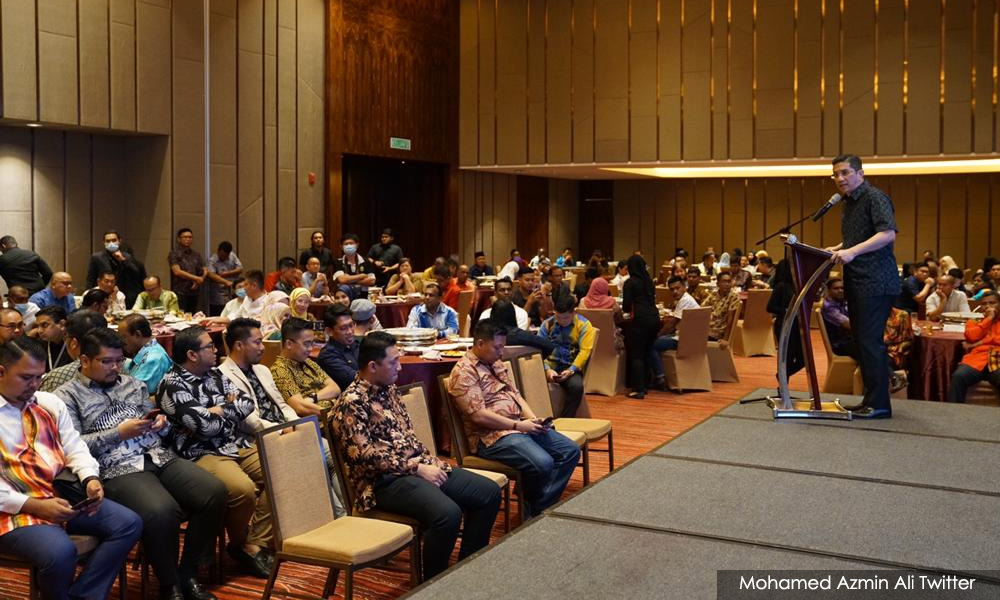
The clearest hint came from de facto PN number two Azmin Ali, who told supporters in Johor that a snap election could be held any time.
Holding an election soon is advantageous to PN as its most potent threat Pakatan Harapan is fractured and the morale is low amongst its supporters.
This article examines the possible windows for an election to be called within six months of the ongoing Parliament session which would adjourn on Aug 27.
Economic headwinds
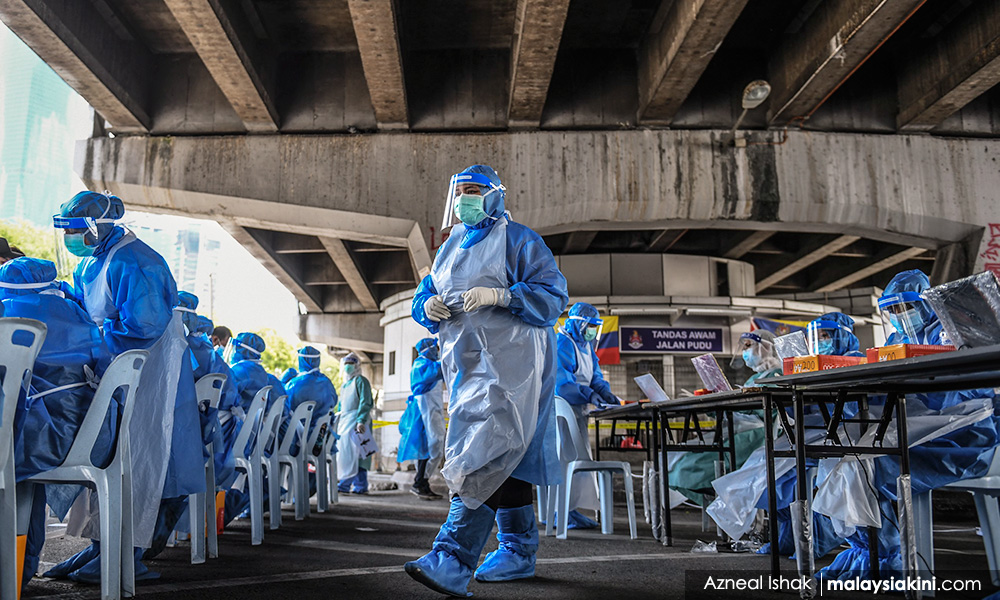
According to figures close to PN, the primary motivation for holding a snap election now is to seek a mandate before the full brunt of the economic devastation caused by the Covid-19 outbreak is felt by the electorate.
"The snap polls will be held in October the earliest because the PN government wants to do it before the budget.
“This is the best time because there is infighting in Harapan over the PM candidate. Furthermore, the economic situation is expected to take a turn for the worse next year and this would hit the Malays, who are PN's support base, the hardest,” one of them told Malaysiakini.
By Oct 1, bank loan moratoriums would end and likely result in bankruptcies. It would take months before any uptick in bankruptcies is recorded, especially since the Covid-19 temporary relief bill is yet to be passed.
The situation in the US, which did not impose a repayment moratorium, may foreshadow what is to come. In May, 4.3 million US homeowners missed their mortgage payments, more than double the figure than during the end of March, according to CNN.
Businesses and jobs could be at risk if firms that had no income during the movement control order (MCO) period are unable to service their loans.
Therefore, holding a general election between October and March, before word of missed loan repayments or a deluge of news on crashing businesses appear, could be advantageous to the ruling coalition.
Apec and Budget 2021
Based on what Azmin told Parliament yesterday, Putrajaya seems keen on hosting the Asia-Pacific Economic Cooperation (Apec) 2020 Summit either virtually or a hybrid system involving both in-person and online participants despite the pandemic.
Ensuring the success of Apec is of immense importance to Putrajaya as high-level intergovernmental meetings of this nature are rarely held in Malaysia.
This meeting would involve 16,000 delegates from 21 economies including superpowers such as Russia, China and the US.
According to the official website, the summit is still scheduled to run between Nov 6 and 12, which would clash with the tabling of Budget 2021 on Nov 6.
It is implausible that Budget 2021 would be postponed for Apec because the Supply Bill must be passed before Jan 1, 2021.
It is also unlikely that Apec could run concurrently with the scheduled Dewan Rakyat sitting since all members of the executive would have to be present to vote at every stage of the Supply Bill's passage, given PN's slim majority in Parliament.
Should Apec be postponed to right after the Dewan Rakyat sitting which ends on Dec 15, this would rule out November and December for an election, leaving just October as the sole window for this year.
Festive season and weather
The next window would open in January, ahead of the Lunar New Year which falls on Feb 12, 2021.
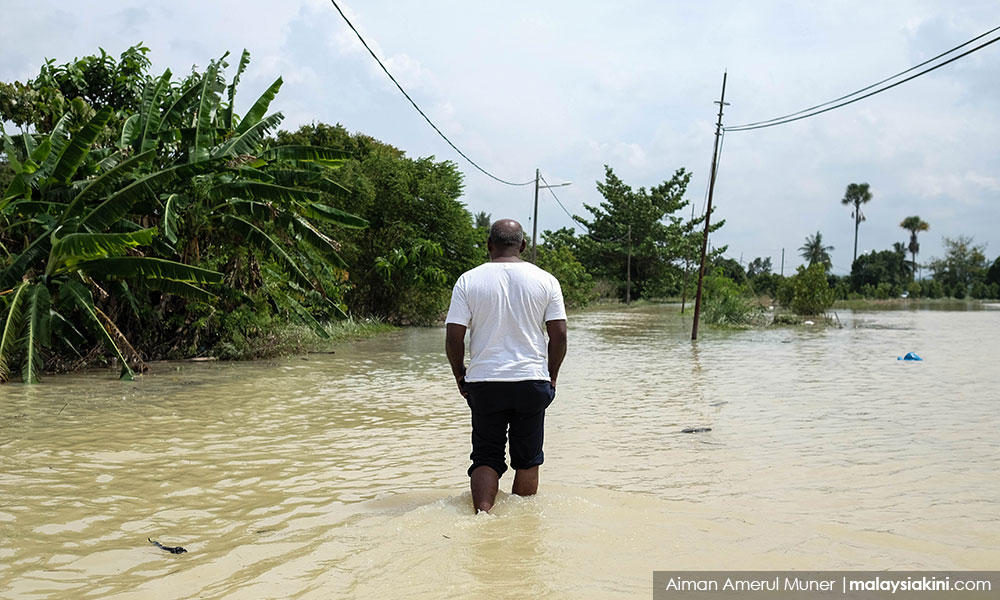
This month might present logistical difficulties as it would be the tail-end of the monsoon season, which typically brings floods to the east coast of the peninsula and the western regions of Sarawak.
It is probably for this reason that, historically, holding an election during the first two months of the year is not popular among Malaysian prime ministers.
A more attractive window for an election would appear in late February and March, well ahead of Ramadhan which would begin on April 14.


Report this comment
Are you sure you want to delete this comment?
This action cannot be undone.