


Hate speech in Southeast Asia on rise and evolving, says NGO
Hate speech in Southeast Asia has evolved into new forms which require a multi-stakeholder approach to finding sustainable solutions, said Bangkok-based regional NGO Asia Centre in presenting a report on the matter via webinar yesterday.
The "Hate Speech in Southeast Asia: New Forms, Old Rules" report notably zeroed in on the international commitment made by all Asean member states, except Brunei, Malaysia and Myanmar, towards signing the International Convention on the Elimination of All Forms of Racial Discrimination (Icerd)...
Hate speech in Southeast Asia has evolved into new forms which require a multi-stakeholder approach to finding sustainable solutions, said Bangkok-based regional NGO Asia Centre in presenting a report on the matter via webinar yesterday.
The "Hate Speech in Southeast Asia: New Forms, Old Rules" report notably zeroed in on international commitment made by all Asean member states, except Brunei, Malaysia and Myanmar, towards signing the International Convention on the Elimination of All Forms of Racial Discrimination (Icerd).
It noted that the convention treaty commits signatories to the elimination of racial discrimination and the promotion of understanding among all races.
In presenting the 49-page report, Asia Centre’s executive director Robin Ramcharan stated that “apart from those based on race and religion, new forms of hate speech have been directed towards foreign nationals such as migrant workers and refugees; members of the LGBT community; and those with different political values, ideologies and affiliations.”
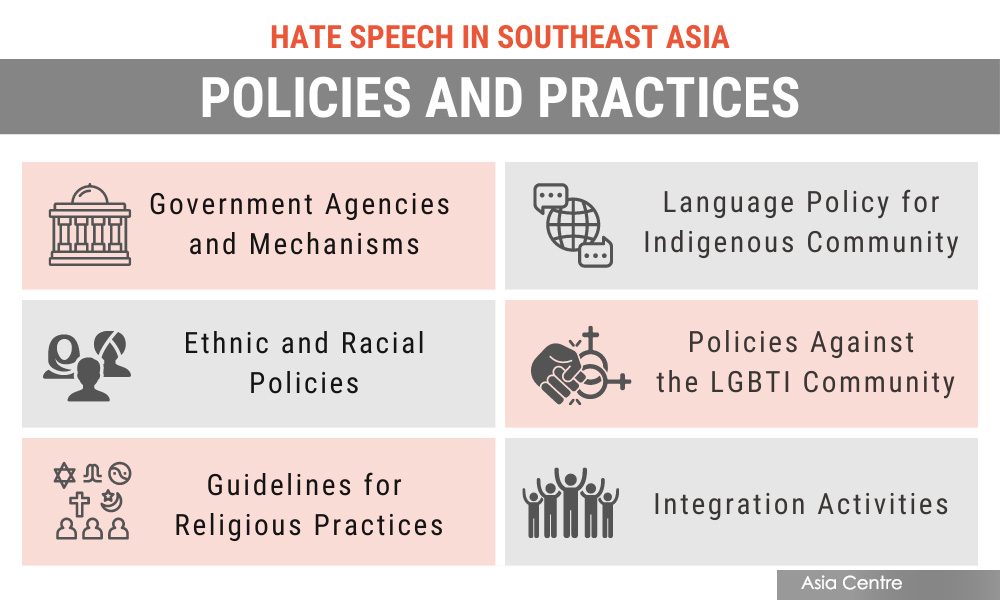
The report said that countries in the region have introduced a mixture of legal and non-legal measures to address the issues related to hate speech.
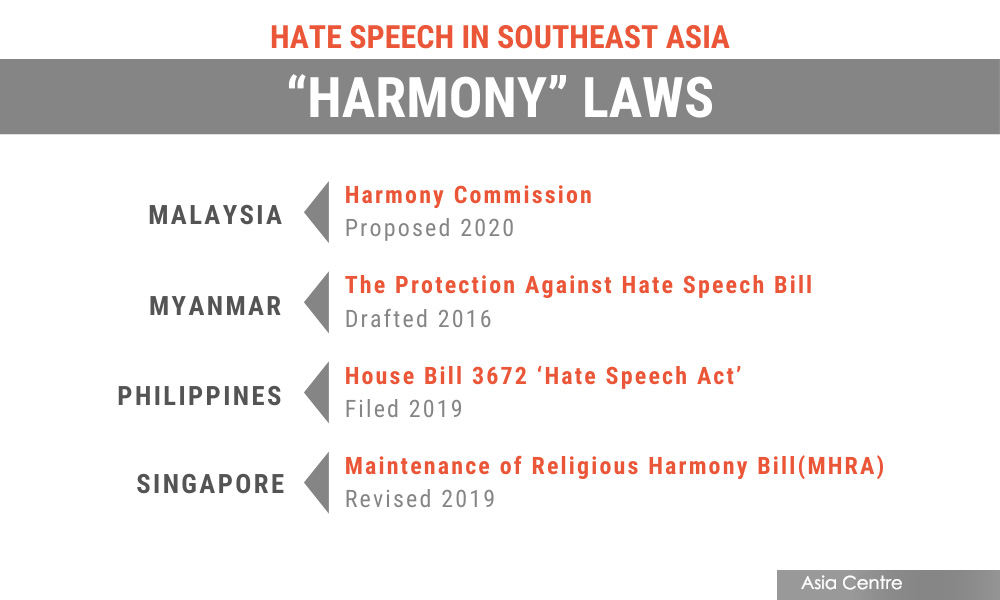
"In terms of legal provisions, Malaysia, Myanmar, Philippines and Singapore have either revised or drafted dedicated bills aimed at securing social, racial or religious harmony.
"Other governments in the region use a range of existing laws to criminalise hate speech or to target such acts," it said.
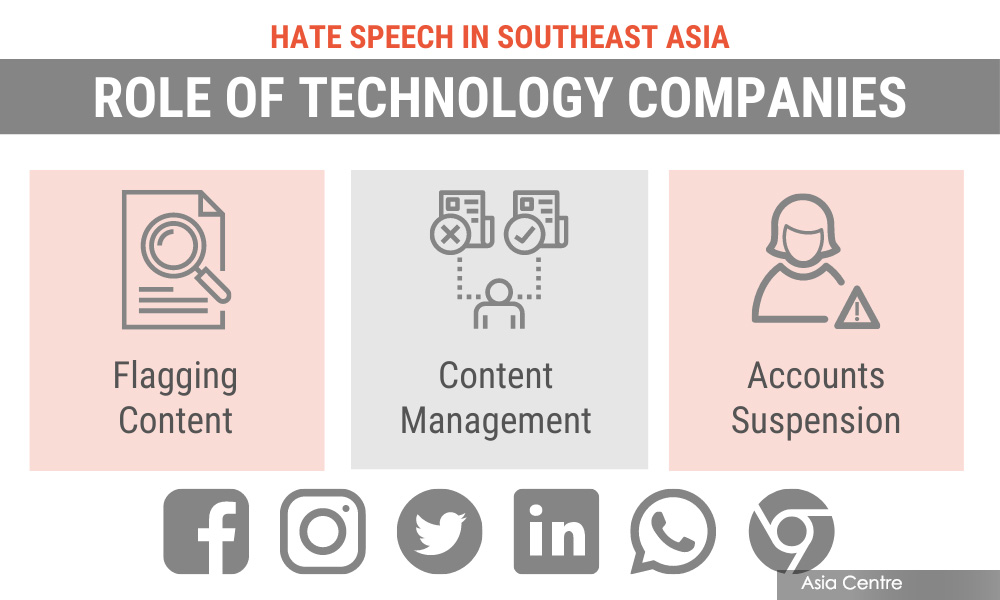
"Calls are being made upon governments to set clear guidelines for private technology companies on what qualifies as hate speech. In turn, governments are also cautioned against engaging in hate speech towards their critics that are being amplified online," concluded the report.
Its primary recommendations include broadening the parameters to cover new forms of hate speech and a set of secondary recommendations that call for policies not to be discriminatory and restrict freedom of expression.
It also asked for technology companies to take responsibility and do more to eradicate the spread of hate speech on their online platforms.
Some 200 people registered to attend the launch via Zoom and it was also live-streamed over Facebook.
Founder and executive director of Project Women and Girls Development Nur Judy Abdullah shared: “In Brunei, the Covid-19 pandemic has led to a rise in sexual harassment experiences online.
"Work from home for women and online classrooms for children have made them vulnerable to sexual harassment over social media platforms.
"Online sexual harassment has contributed to an increase in mental health issues and our organisation has helped raise awareness among women and girls to report perpetrators to relevant authorities for proper action."
In Indonesia, the Women Working Group claimed that President Joko Widodo appeared to be relying on the Electronic Information and Transactions Law’s subjective racial and ethnic discrimination terminology used in hate speech laws to favour himself and silence his critics.
"As a result, government spokespeople are unfazed by the consequences of their statements and are quick to link surges in Covid-19 infections to religious mass gatherings to escape their responsibilities,” its executive director Nukila Evanty said.
Meanwhile, Asia programmes manager for Internews Rowan Reid said: “Most Asean governments already have a questionable approach to free speech, and recently many have either introduced or are considering 'fake news' laws which go beyond their stated purpose and limit political criticism as well as deny other human rights.
"Civil society needs to work with governments to ensure that new laws or changes to existing laws are suitably narrow in focus to address just hate speech and cannot be manipulated to serve other less democratic means.”
Asia Centre’s regional director James Gomez went further by claiming that many Southeast Asian governments were "responsible for spreading hate speech".
"Often they set the tone for how the media, those online and the wider population respond to others within the community.
"Government rhetoric on identity and ethnicity had driven genocide and crimes against humanity in Cambodia, Indonesia, Myanmar, the Philippines and Southern Thailand in the region’s recent history.
"Hence, stakeholders such as civil society as well as technology companies need to play a role in keeping governmental hate speech in check," he added.
Ultimately the Asia Centre report calls for a multi-stakeholder approach as governments should not be the only ones responding to hate speech.
"A ground-up approach that includes civil society and technology companies would lead to more sustainable solutions," it said.
Asia Centre is a not-for-profit organisation that serves as a think-tank, meeting space, project partner and social enterprise which aims to create social impact in the region.
It was first established in Bangkok, Thailand in 2015 and a second centre was set up in Johor Bahru in 2018.



Report this comment
Are you sure you want to delete this comment?
This action cannot be undone.