


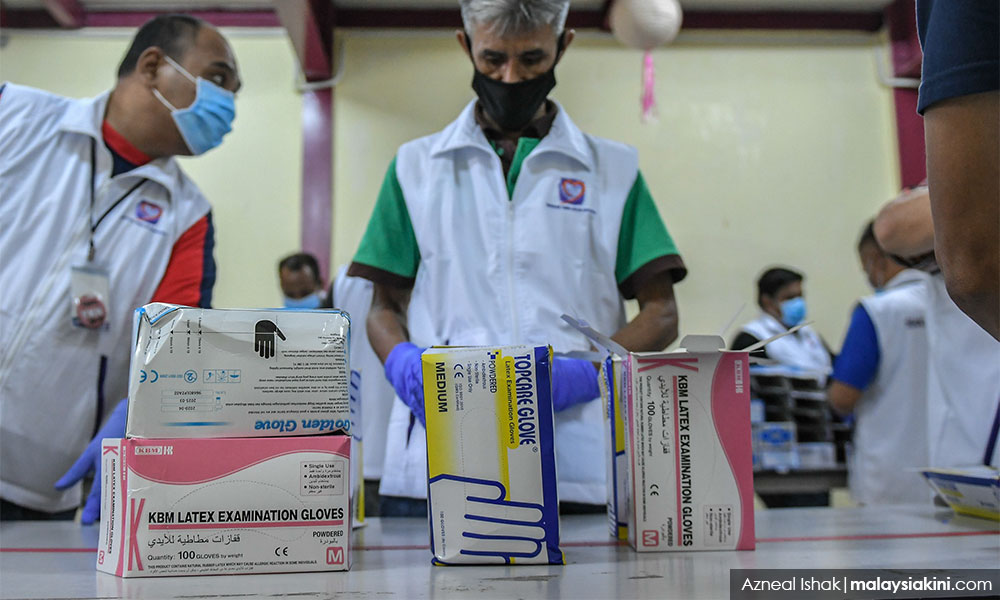

Top Glove stands by recruitment, treatment of foreign labour
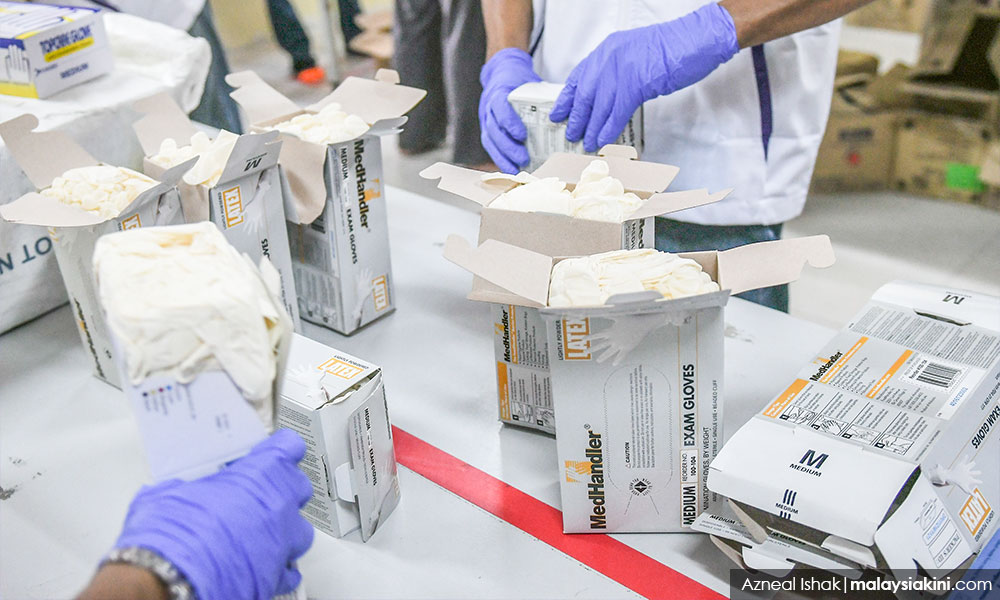
Embattled medical glove maker Top Glove Corporation is standing firm by its “strict labour governance” related to its recruitment and treatment of foreign labour.
This comes following a recent report that New Zealand's largest supermarket chain has pulled disposable gloves produced by the former off its shelves while it investigates forced labour claims.
Embattled medical glove maker Top Glove Corporation is standing firm by its “strict labour governance” related to its recruitment and treatment of foreign labour.
This comes following a recent report that New Zealand's largest supermarket chain has pulled disposable gloves produced by the former off its shelves while it investigates forced labour claims.
In a statement, the world’s largest glove manufacturer asserted it practices “zero tolerance” towards unethical recruitment agencies.
Under its zero-cost recruitment policy, Top Glove insists that it bears all recruitment-related fees and workers who have had to pay a fee to recruitment agencies in source countries will be reimbursed.
“The policy also stipulates that Top Glove will conduct pre-departure orientations and interviews at the source country, post-arrival orientations in Malaysia, as well as monthly interviews with workers, towards ensuring they have not paid any hidden fees to recruitment agents,” it said.
According to company general manager of human resources William Yap, Top Glove “put(s) in great efforts to raise awareness and educate our workers not to pay any recruitment fees to any third parties and we will strictly ensure that the awareness exercise continues.
“Top Glove only works with ethical and socially responsible recruitment agents, to which end we have a robust due diligence procedure (encompassing checks on business background, practices, and processes) to ensure potential agencies fully comply with the Sedex Members Ethical Trade Audit (SMETA) and/or the Business Social Compliance Initiative’s (BSCI) code of conduct, as well as applicable local laws and regulations.”
Supplier Ethical Data Exchange (Sedex) is a not-for-profit, membership organisation which oversees ethical trade services and working conditions in global supply chains. SMETA is the audit methodology it uses.
The BSCI, meanwhile, also provides social auditing methodology to help companies improve working conditions along supply chains.
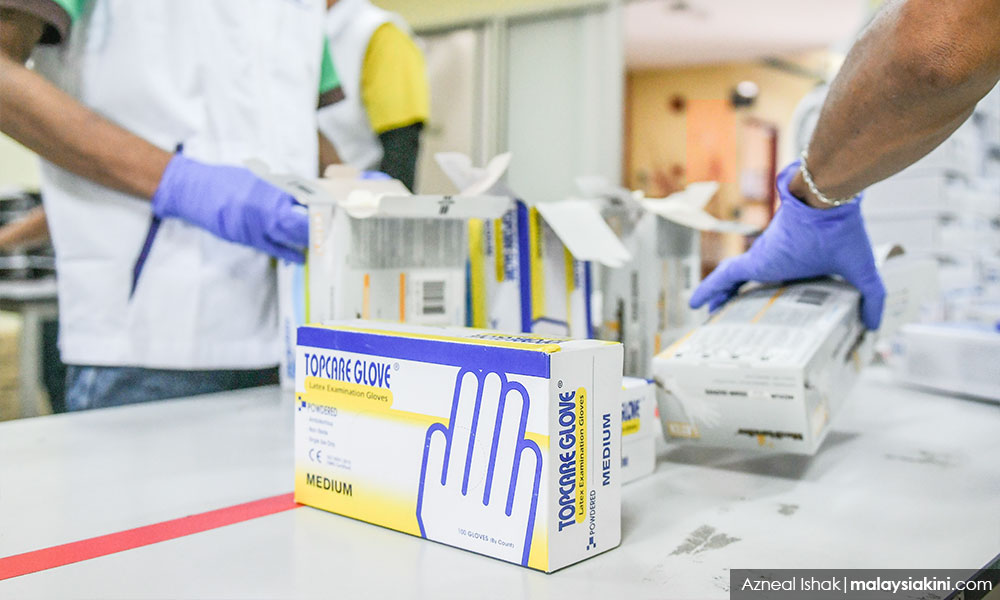
Top Glove also today stressed that it complies with Malaysia’s labour law requirement, including on workers’ overtime and rest days, the full release of wages, and allowing workers full retention and responsibility for their own passports.
“Top Glove’s workers do not perform excessive overtime and are given rest days in line with the Malaysia labour law requirement, which is 104 hours of overtime per month and one (1) rest day per week, respectively.
“Maximum allowable overtime is four hours per working day and solely on a voluntary basis. This has been verified by the Malaysian government authorities and reflected in external audit results including a recent audit,” it said.
The glove maker also reiterated the ‘A’ rating its factory in Malaysia received from global ethical trade association Amfori in December, last year, which followed the BSCI standards.
However, earlier this month, Malaysiakini reported a statement by Amfori that Top Glove cannot cite the good rating it had obtained at one of its factories as proof that it meets international standards of labour practices.
This, in turn, had followed an exposé by UK's Channel 4 last month on alleged labour exploitation at Top Glove factories.
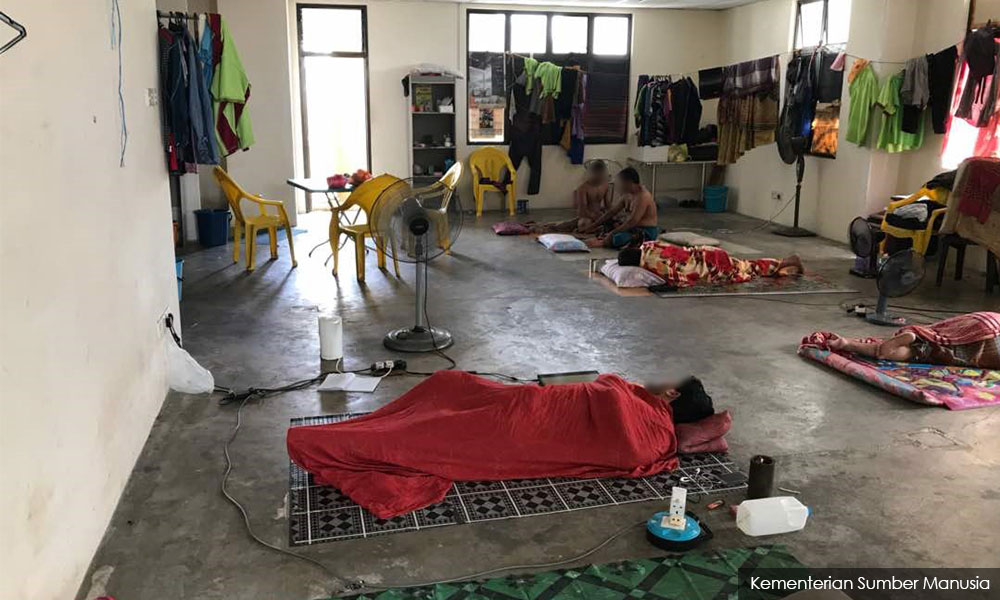
Lastly, the company, in its statement, also claimed it prioritises workers’ health and safety, as well as provides “decent accommodation for all workers”.
Top Glove has seen demand for medical gloves surge across the globe in the onset of the Covid-19 pandemic. However, it has been unable to shake allegations of unethical recruitment of foreign labour and failing to meet international standards on the treatment of its workers.
The New Zealand report follows a US detention order earlier this month on imports of gloves by two Top Glove subsidiaries in a move intended to halt the importation of goods from companies suspected of using forced labour.
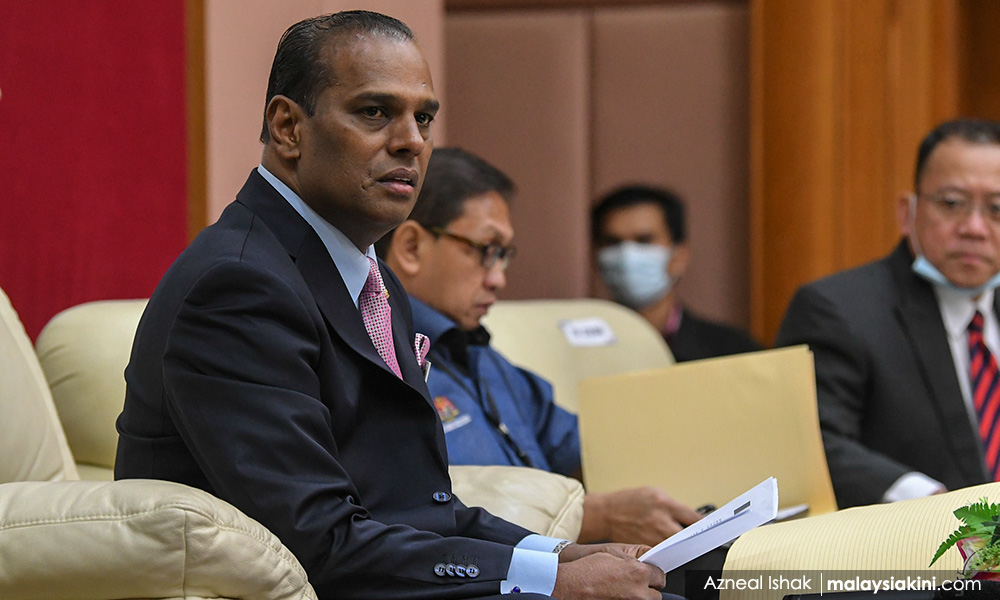
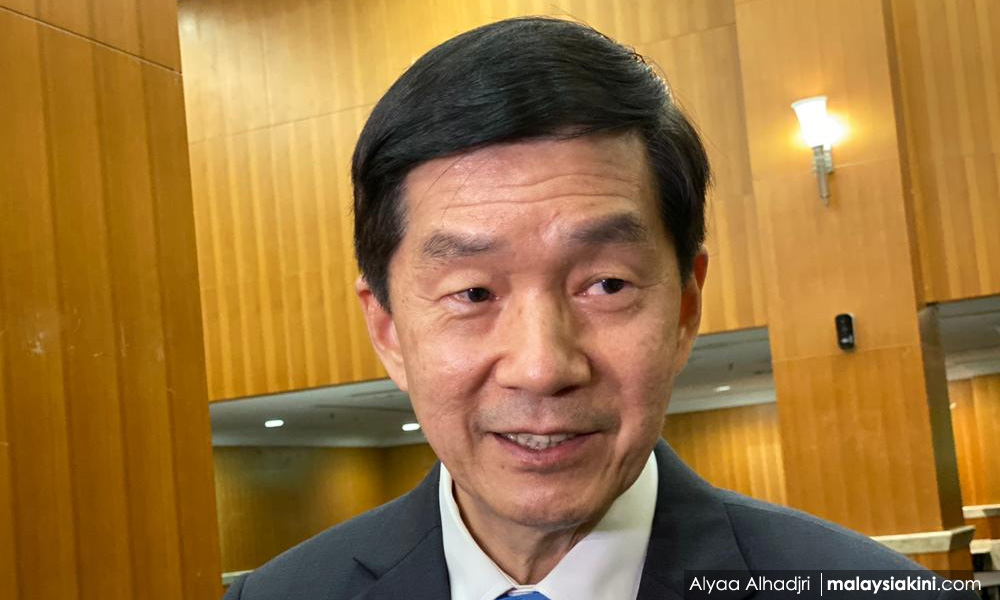
Human Resource Minister M Saravanan (photo) had come to the manufacturer’s defence, stating that allegations of forced labour against Top Glove were “baseless” based on the outcome of a Labour Department's investigations.
Even so, he did acknowledge that “there were shortcomings that could be addressed, in terms of housing and other things”.
According to a Reuters report today, US Customs and Border Protection (CBP) said Top Glove has since submitted information to prove it did not use forced labour.
Since May, Malaysiakini had also exposed alleged attempts by Top Glove to unethically skirt around labour laws, including for its scheme launched to back surging demands for rubber gloves amid the Covid-19 outbreak.
The US CPB had in October last year banned the import of rubber gloves produced by another Malaysian producer - WRP Asia - over similar concerns surrounding the management of its foreign workers.
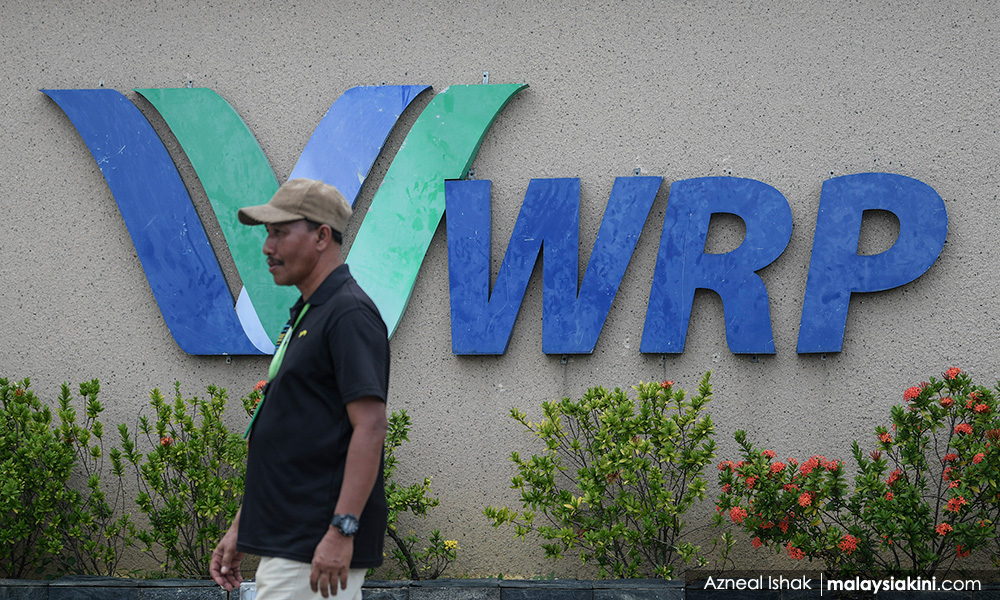
The ban was lifted in March amid a shortage due to Covid-19, and it was reported earlier this month that the glove maker had begun reimbursing workers for their recruitment fees.
Meanwhile, it is understood that the International Trade and Industries Ministry had yesterday gathered stakeholders from the manufacturing sector for a briefing on labour standards compliance for a sustainable supply chain.
Malaysiakini sighted an internal circular issued by the Malaysian Rubber Glove Manufacturers Association (Margma) to its members last Friday, with an invitation to attend the briefing held at Miti Tower in Kuala Lumpur.
Aside from general compliance, the circular stated that the briefing also aimed to create awareness on labour standards expected from Malaysian companies exporting to the US.
Other listed speakers include representatives from the Labour Department of Peninsular Malaysia on forced labour elements and compliance to employment law, as well as on decent housing accommodation and suitable living environment.
Additional reporting by Alyaa Alhadjri.


Are you sure you want to delete this comment?
This action cannot be undone.