



Muslims perform Eid prayers, socially distanced and masked
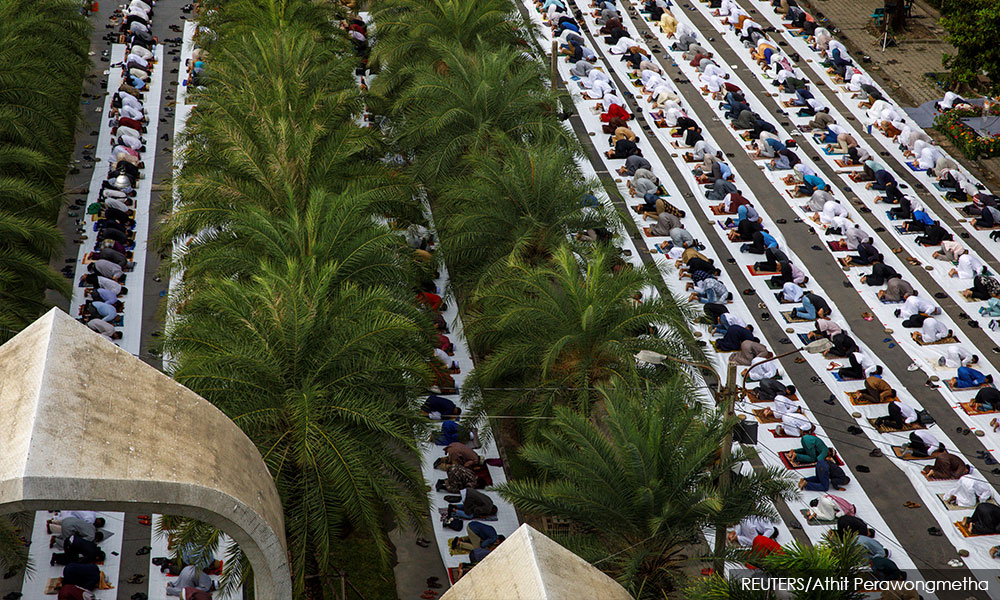
Masked and socially distanced to fight the coronavirus, Muslims around the world held prayers on Friday to mark the festival of Eid al-Adha, with mosques at reduced capacity and some praying in the open air.
In Istanbul, Muslims held Eid al-Adha prayers at Hagia Sophia for the first time since the historic building was reconverted to a mosque this month following a court ruling revoking its status as a museum that drew criticism from Western countries.
Masked and socially distanced to fight the coronavirus, Muslims around the world held prayers on Friday to mark the festival of Eid al-Adha, with mosques at reduced capacity and some praying in the open air.
In Istanbul, Muslims held Eid al-Adha prayers at Hagia Sophia for the first time since the historic building was reconverted to a mosque this month following a court ruling revoking its status as a museum that drew criticism from Western countries.
In Lebanon, devastated by economic crisis, many found it hard to afford traditional Eid customs. In Tripoli, the country’s second city, there were no decorations or twinkling lights, and no electricity to power them.
Instead, a large billboard read: “We’re broke.”
Around the world, the festival had to fit in with the realities of the coronavirus.
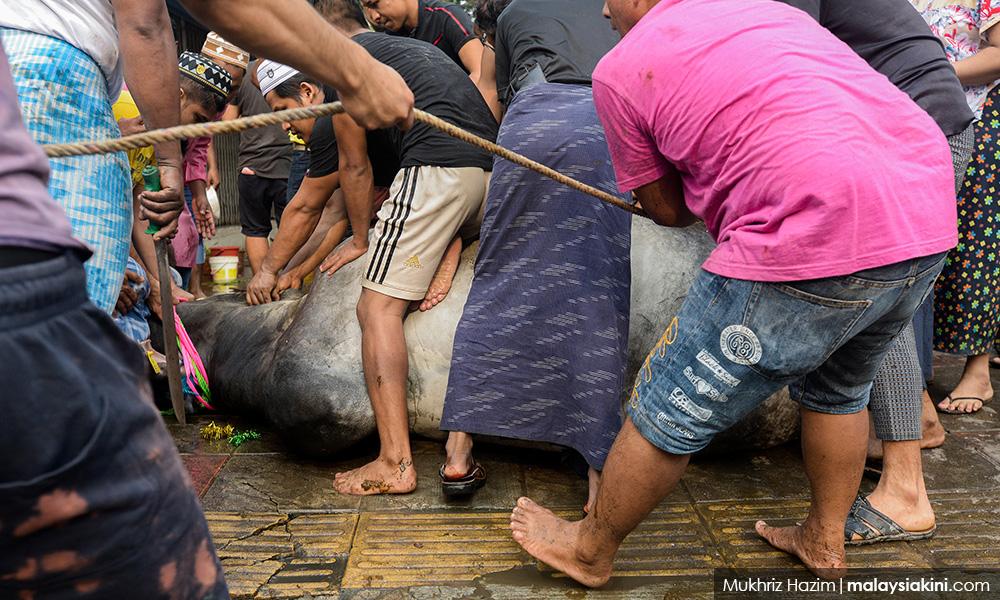
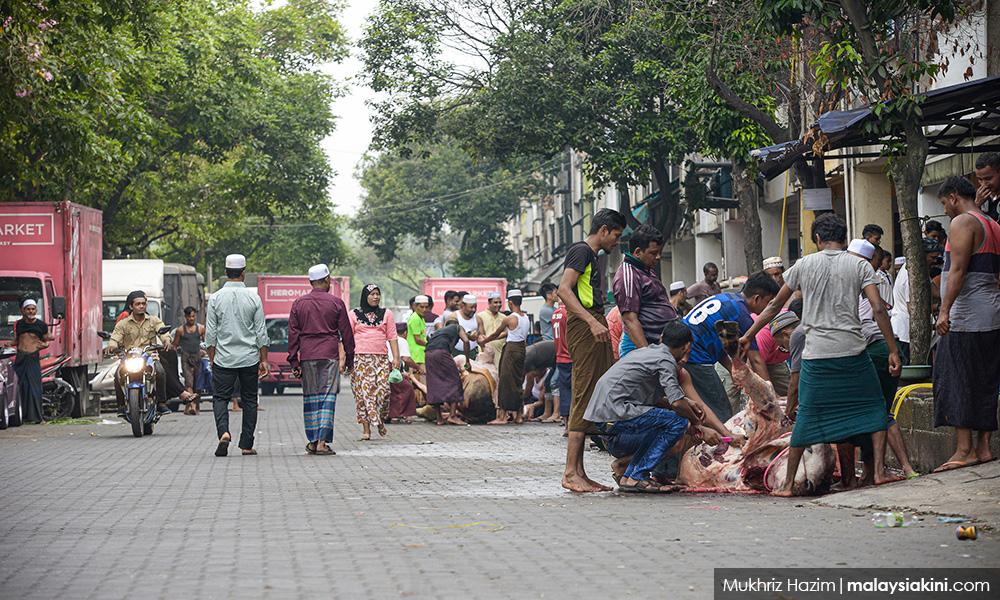
In Indonesia, the religious ministry asked mosques to shorten ceremonies, while many cancelled the ritual of slaughtering livestock and distributing meat to the community.
Instead sheep, goats and cows were being killed in abattoirs to mark the ‘Feast of the Sacrifice’, celebrated by Muslims to commemorate Prophet Abraham’s willingness to sacrifice his son Ismail at God’s command.
“This year’s Eid al-Adha is very different from previous years because we need to follow health protocols as we perform prayers, like maintaining social distancing,” said Devita Ilhami, 30, who was at the Sunda Kelapa mosque in Jakarta.
She said they had to bring their own prayer mats, with markers on the ground to show where they should be laid.
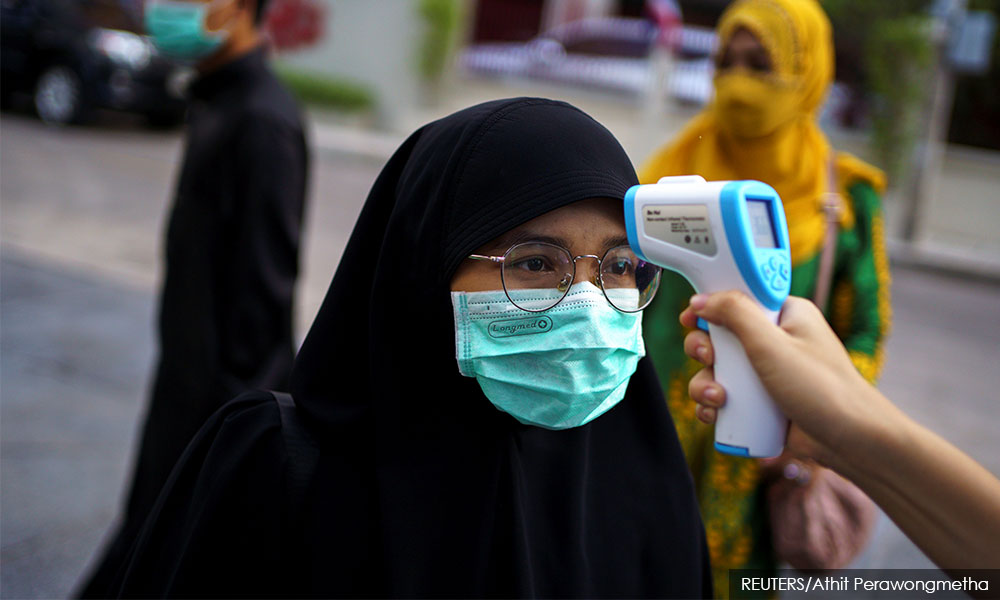
Elsewhere in Asia, Muslims including in Thailand and Malaysia prayed in or outside mosques wearing masks.
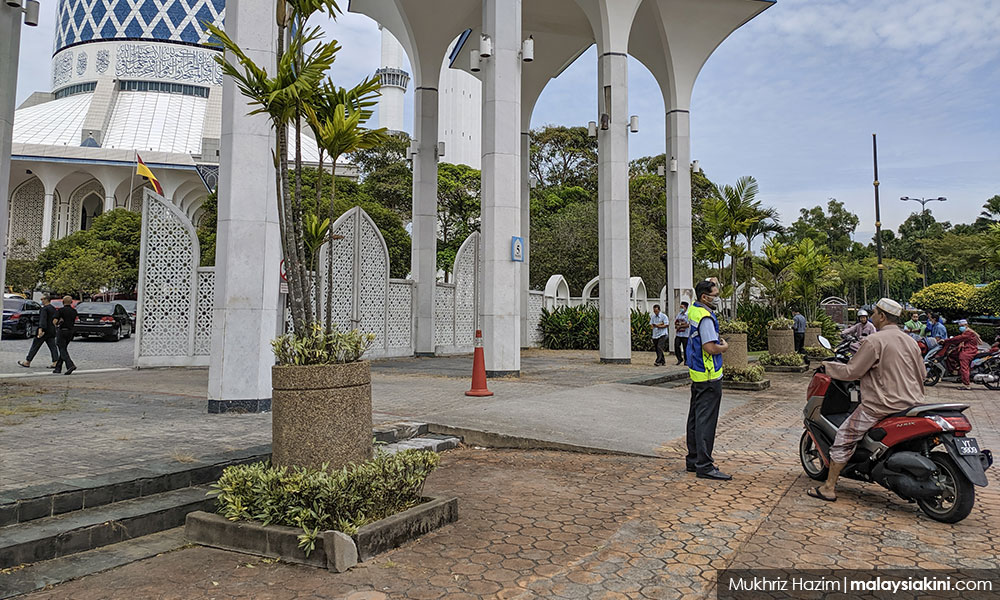
In Malaysia, while some mosques cancelled the ritual of slaughtering livestock, 13 cows were killed in the traditional way, but under rules limiting the number of animals and people at the Tengku Abdul Aziz Shah Jamek mosque in Kuala Lumpur.
Afghan President Ashraf Ghani attended prayers in Kabul. Islamist Taliban militants say they will observe a three-day ceasefire for the holiday, offering some respite from weeks of violence.
In India, where Eid will be celebrated mostly from Saturday, several states have eased coronavirus restrictions to allow worshippers to gather in mosques in limited numbers.
“Only small groups of worshippers will be allowed into mosques,” said Shafique Qasim, a senior cleric at the Nakhoda mosque in the eastern city of Kolkata.
‘Stoning of the devil’
Meanwhile, Muslim pilgrims in Saudi Arabia took part in a symbolic stoning of the devil, but maintained social distancing in a ritual that usually brings millions of worshippers from all over the world shoulder to shoulder.
The ritual, at which pilgrims must hurl pebbles at a giant wall, has in the past been the scene of several deadly crowd accidents. In 2015, hundreds died in a crush at an intersection leading up to the site.
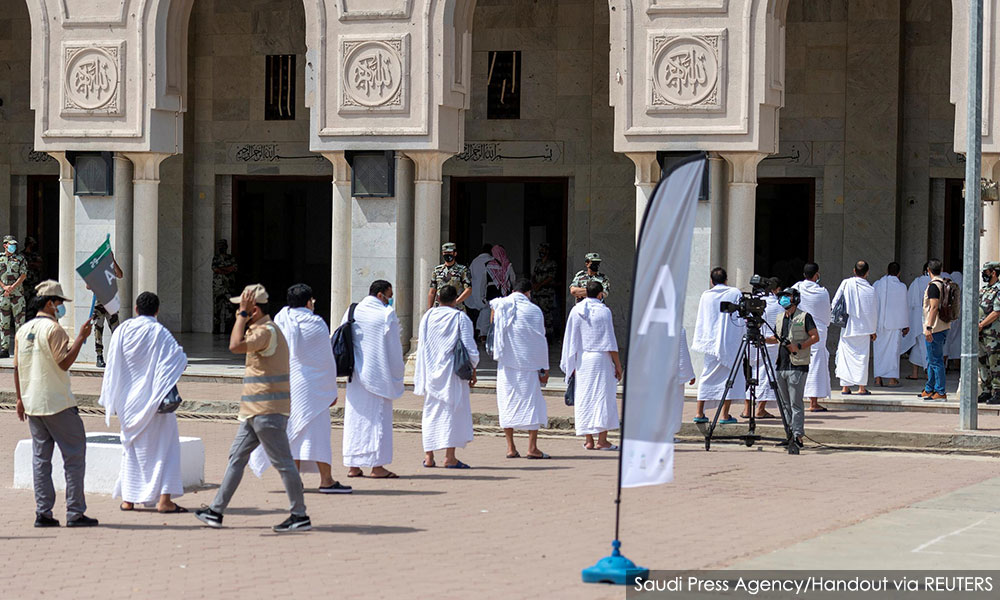
Clad in white robes denoting a state of purity and face masks, men and women cast their stones, closely monitored by health professionals. The pilgrims stood apart on yellow markers marking a safe social distance.
They will return over the next two days for more stoning before going back to Mecca to pray at the Grand Mosque at the end of haj.
In previous years, some 3 million white-clad pilgrims from across the world flocked to Islam’s holiest sites to attend haj.
But with large gatherings impossible given the pandemic, only a few thousand pilgrims - Saudis and foreign residents living in the country - are gathering this year.
Although no official figure has been given, local media report there are around 10,000 pilgrims. The Haj minister in June said pilgrims would number 1,000.
Saudi Arabia stakes its reputation on its guardianship of Islam’s holiest sites in Mecca and Medina and its peaceful organisation of haj, which has been marred in the past by deadly stampedes, fires and riots.
This year it faces the challenge of keeping haj, a once-in-a-lifetime duty for every able-bodied Muslim who can afford it and a major source of income for the government, safe from Covid-19.
Late on Thursday, a Health Ministry spokesman said that there were no Covid-19 infections, nor any other major diseases among pilgrims so far.
- Reuters


Report this comment
Are you sure you want to delete this comment?
This action cannot be undone.