



Rohingya refugees have 'no rights', but children can access education - minister
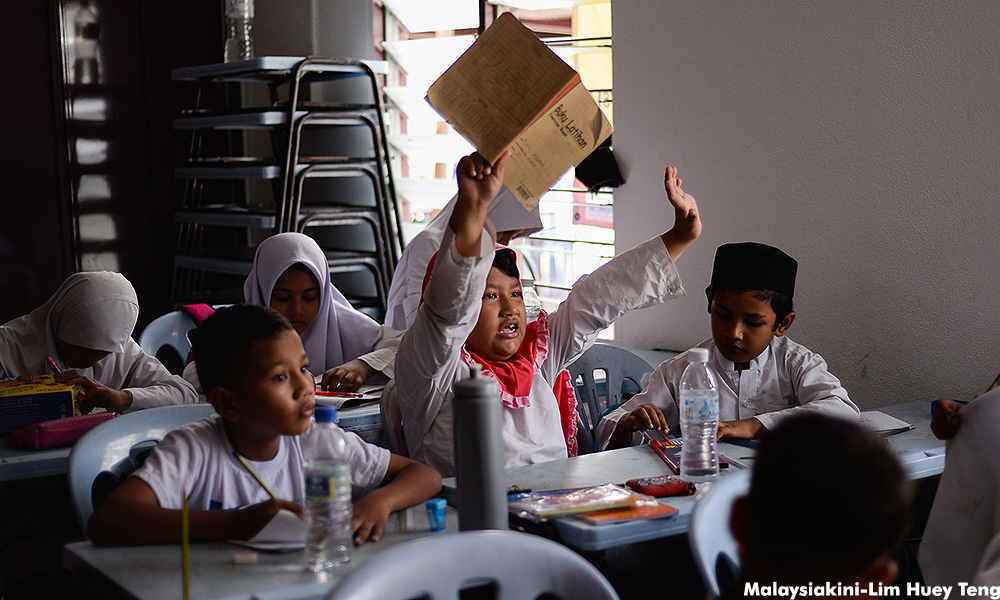
PARLIAMENT | The government insists that while Rohingya refugees have “no rights” in Malaysia, their children are still given access to alternative education.
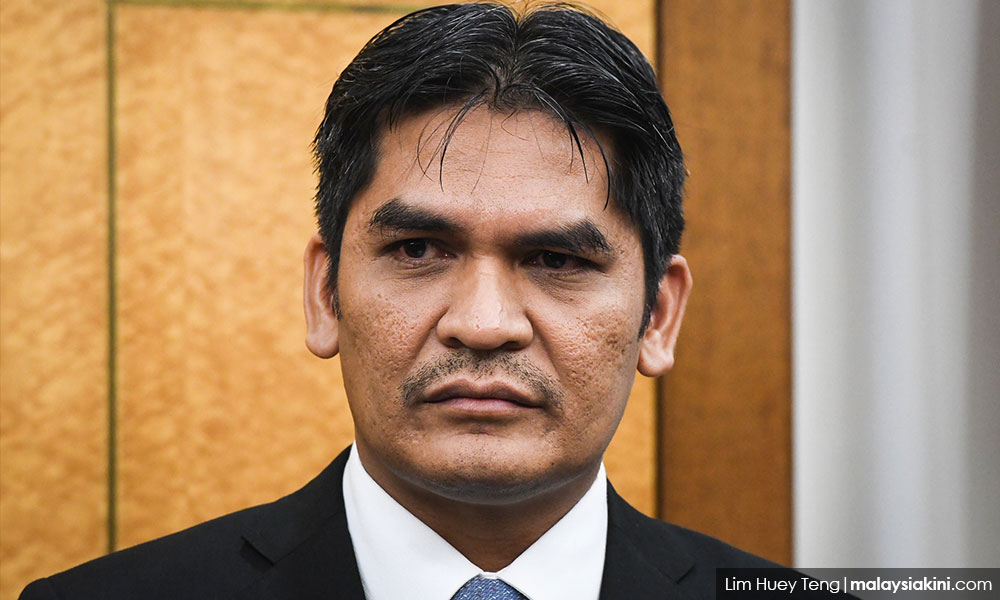
Education Minister Mohd Radzi Md Jidin said children of refugees are accorded the same access to the curriculum of their country of origin, or of a third country via alternative guidance centres (PBA) as other non-citizen children.
PARLIAMENT | The government insists that while Rohingya refugees have “no rights” in Malaysia, their children are still given access to alternative education.
Education Minister Mohd Radzi Md Jidin said children of refugees are accorded the same access to the curriculum of their country of origin, or of a third country via alternative guidance centres (PBA) as other non-citizen children.
The minister was said this in a written reply to a question by Ahmad Tarmizi Sulaiman (PAS-Sik) yesterday on the government's steps to ensure children of asylum seekers and refugees, including the Rohingya people, have access to quality and consistent education.
“The National Security Council order 23 states that holders of the (United Nations High Commissioner for Refugees) UNHCR cards are given the status of foreign immigrants without permission (PATI) (and) have no claim to any rights according to the law, including to education.
“Even so, to allow Rohingya children access to education, the government in 2016 decided these children can be given education at alternative guidance centres (PBAs). So, the Education Ministry has prepared a guideline on the formation and registering of PBA,” he said.
This access is granted to non-citizen children aged between four and 15 years who have no access to other forms of formal education, whether at public or private institutions.
According to a parliamentary reply to former Simpang Rengam representative Liang Tech Meng back in 2017, then minister Mahdzir Khalid explained the PBA system was set up on March 2015.
They are allowed to be set up by government and private bodies, including companies registered with the Registrar of Companies or NGOs and other bodies registered with the Registrar of Societies or Home Ministry.
Access to normal schools
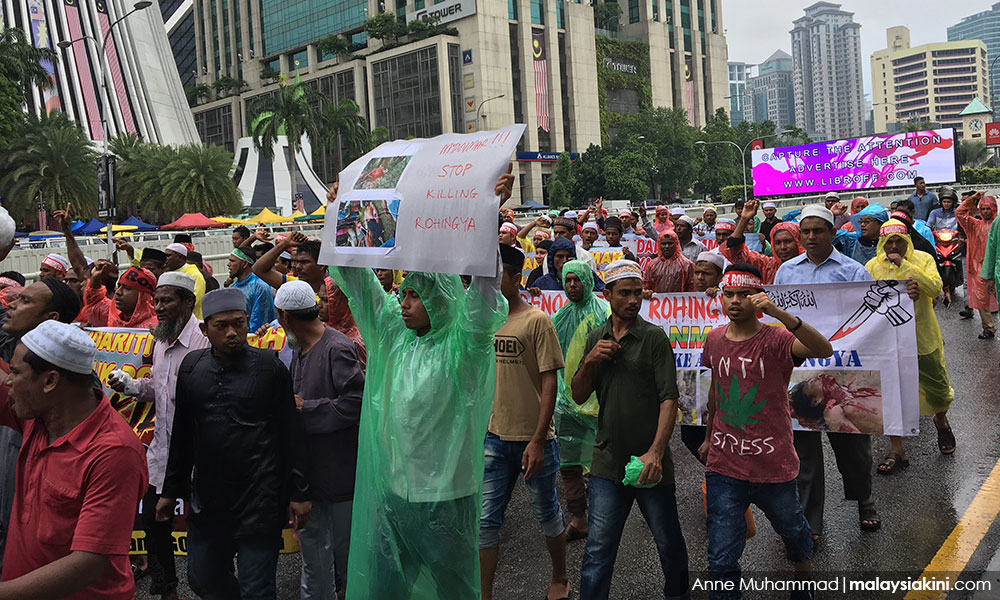
The issue of the rights of the Rohingya refugees, fleeing alleged persecution in Myanmar where the Muslim minority community is not recognised as citizens, has been a long-standing and contentious one, especially in recent months as the government grapple with how best to deal with undocumented migrants.
Malaysia is not a signatory of the Refugee Convention 1951 or the 1967 Protocol Relating to the Status of Refugees.
As such, Malaysia does not recognise the status of refugees and under the Immigration Act 1959/63, all refugees are considered undocumented migrants who are at risk of being caught and deported by authorities.
READ MORE: Dad, why can't Shara go back to school?' pleads 6-year-old Rohingya child
During the recent Dewan Rakyat session, the Pakatan Harapan opposition raised the issue of stateless children, refugees and undocumented migrants, especially the long-term impact on them should they be denied access to education and healthcare.
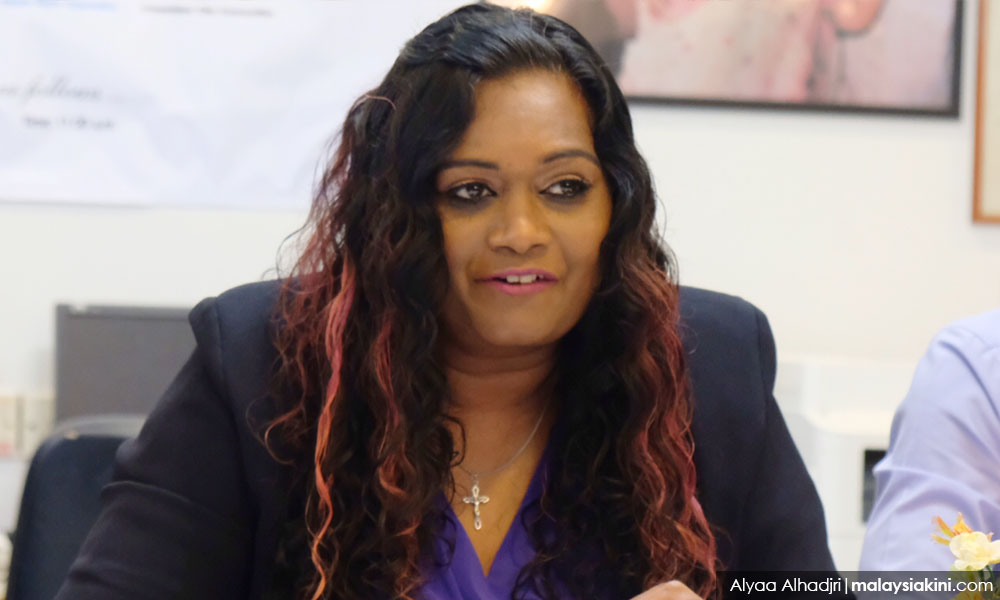
In January, Tenaganita executive director Glorene A Das opined that children of refugees should be granted access to national school education.
This, she said, would help the community integrate, reinforce the idea of diversity in society and allow Rohingya communities to contribute economically in Malaysia.
She said: “Tenaganita, in a call to the government, pushes for integrating refugee children in the country into local schools and access to the Malaysian syllabus, instead of confining them to only access the curriculum of their country of origin.
“By doing so, we'd have to implement a much more complex system of managing their education with the diverse population of refugees here, but it also reinforces division in society.”
The previous human resources minister M Kulasegaran had also opined that refugees should be granted the rights to work in the country and as a result, the children allowed to be sent to normal schools here.
However, despite it being part of the Harapan election manifesto then, UNHCR card holder’s right to work was not yet fully implemented.
The current Perikatan Nasional government maintains that refugees are aided on humanitarian grounds but must be sent back to their country of origin or a third country.
This after it came under criticism for rounding up of undocumented migrants during the movement control order imposed in light of the Covid-19 pandemic.
The government also came under fire for turning back of boats containing Rohingya refugees trying to enter Malaysian waters.
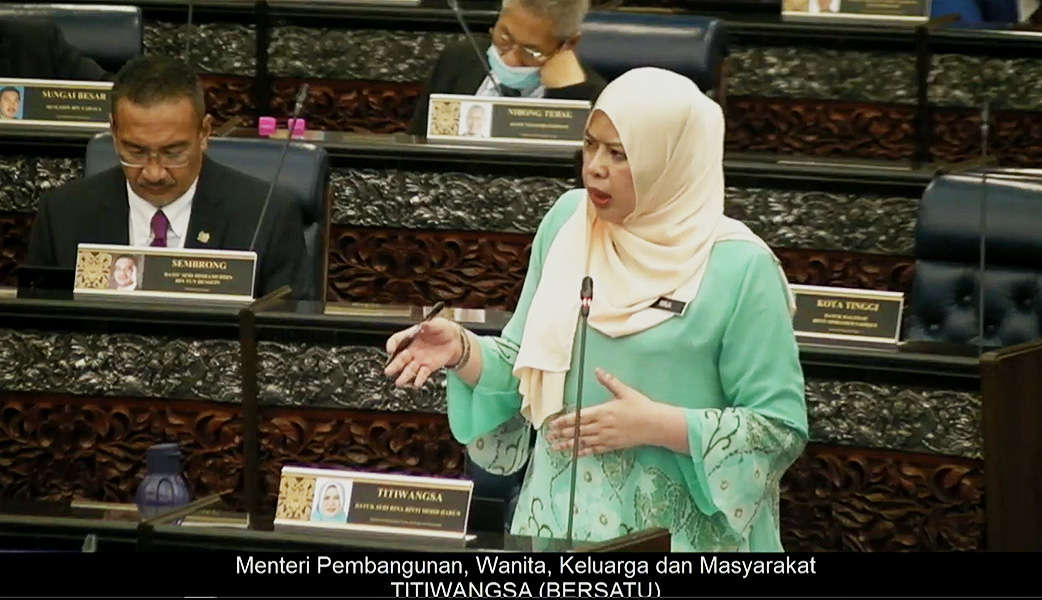
However, Defence Minister and Senior Minister (Security Cluster) Ismail Sabri Yaakob had said the current government would remain firm in stopping the entry of Rohingya refugees.
The government intends to send them back, including deporting or resettling those being held at detention depots here and are in talks with other countries on this matter.




Report this comment
Are you sure you want to delete this comment?
This action cannot be undone.