


Putrajaya urged to consider alternatives to detaining migrant, refugee kids
Putrajaya has been urged to explore alternatives to detaining migrant and refugee children, such as releasing them into the care of NGOs.
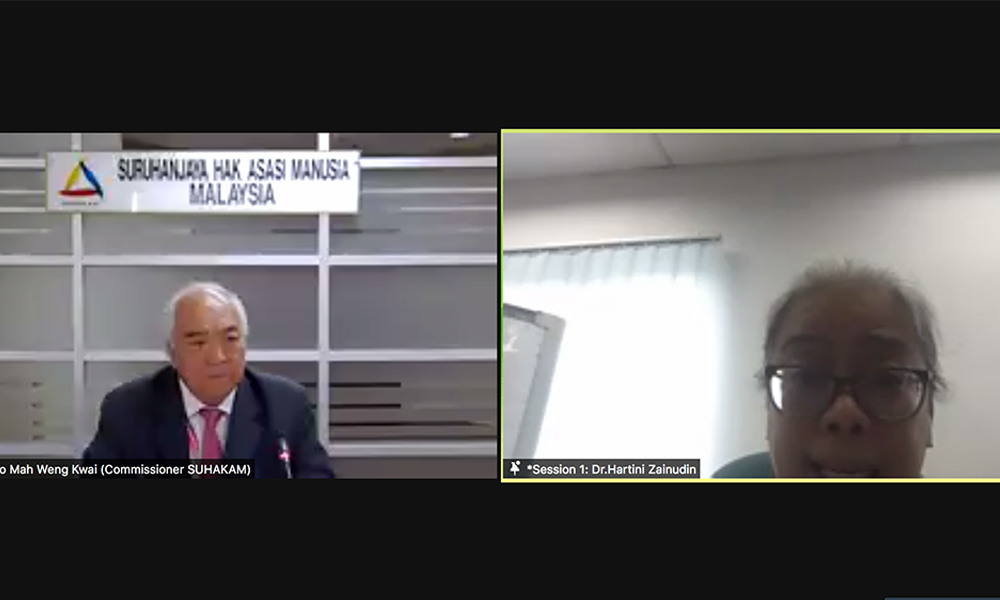
Speaking at the “Recover better - Stand Up for Human Rights” forum held today in conjunction with International Human Rights Day, child rights activist Hartini Zainudin raised the alarm over 756 children detained at immigration detention centres as of Oct 26.
Of the 756, more than half (405) are without any parent or adult guardian. Most of the unaccompanied minors (326) are from Myanmar...
Putrajaya has been urged to explore alternatives to detaining migrant and refugee children, such as releasing them into the care of NGOs.
Speaking at the “Recover better - Stand Up for Human Rights” forum held today in conjunction with International Human Rights Day, child rights activist Hartini Zainudin raised the alarm over 756 children detained at immigration detention centres as of Oct 26.
Of the 756, more than half (405) are without any parent or adult guardian. Most of the unaccompanied minors (326) are from Myanmar.
These numbers, which Hartini noted were at their highest levels in years, comes amidst Covid-19 outbreaks at such detention centres due to their cramped living conditions.
Insisting children do not belong in detention centres, Hartini, who is the founder of Yayasan Chow Kit, urged Perikatan Nasional to work with NGOs on the "alternatives to detention" pilot project.
“The pilot project allows the government to work collaboratively and with coordination with civil societies to pilot ways in which unaccompanied and separated children can be released from immigration detention centres into the care of civil society.
“Yayasan Chow Kit has offered to shelter the first five children that come out of detention centres,” she shared.
“The project is not just (to ensure) those currently in detention are released but more importantly, developed into an effective and sustainable programme where children will never need to be placed in detention. Because there are always alternatives in Malaysia,” she added.
Hartini said the pilot project was supposed to be rolled out last year but was put on hold after the Pakatan Harapan government collapsed. Civil society organisations first proposed the idea almost eight years ago.
“(We are asking) the different bodies to help us push this pilot project on alternatives to detention, to just look at providing basic rights to children,” she pleaded.
READ MORE: PAC finds immigration depots unsuitable for children
Hartini - who is also vice president of NGO Voice of the Children - shared how refugee children had contacted her organisation during the Covid-19 pandemic, asking “why people hated them”.
This came amidst the rise of anti-refugee sentiment earlier this year when the authorities conducted mass arrests of undocumented migrants, including children. Malaysian law does not recognise refugees and regards them as migrants.
“These were questions no six-year-old, no seven-year-old, no 13-year-old should have to face,” Hartini remarked.
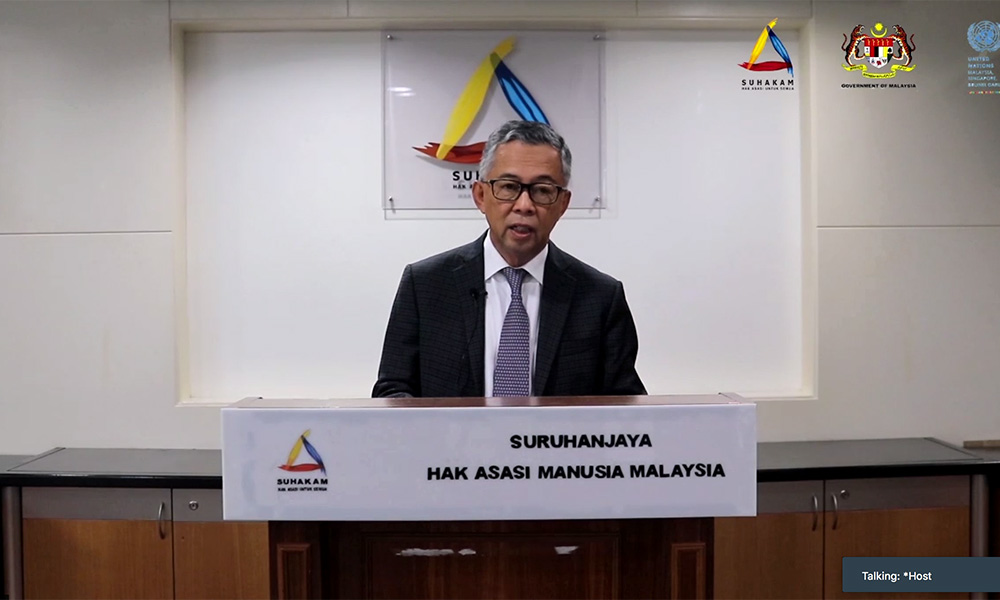
Earlier during the forum, both Suhakam chief commissioner Othman Hashim and World Health Organisation (WHO) Representative to Malaysia, Brunei Darussalam and Singapore Dr Lo Ying-Ru urged the government to ensure marginalised groups like refugees could access healthcare without the fear of being detained.
Lo also raised concern over overcrowding at prisons and detention centres, echoing Hartini’s call for Putrajaya to consider alternatives to detention.
This morning’s forum was jointly organised by the Human Rights Commission (Suhakam), the Ministry of Foreign Affairs, the Law Affairs Department and United Nations Malaysia.
Human rights council bid
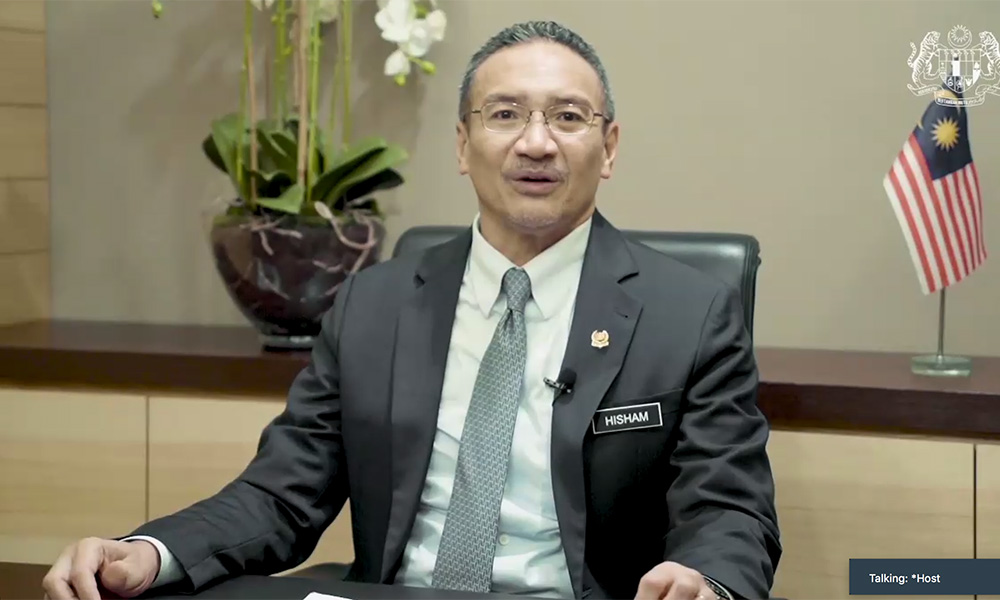
Meanwhile, Foreign Affairs Minister Hishammuddin Hussein announced during his opening address that Malaysia will be making its third bid to be on the UN Human Rights Council (HRC).
“It is therefore with great pleasure to announce that Malaysia is proud to present our candidature to the HRC for the 2022-2024 term.
“The HRC embodies the spirit of multilateralism, which Malaysia continues to advocate and as a member of the HRC, Malaysia will work closely with all actors to drive progress on human rights at home and globally,” Hishammuddin said in a pre-recorded message.
The ministry later played a video to support the bid, citing a list of “human rights achievements”, including lowering the voting age to 18, establishing a special court for children, setting up 10 parliamentary select committees, imposing a moratorium on capital punishment and having 30 percent of women in decision-making positions.
The foreign ministry's list also included the National Anti-Corruption Plan 2019-2023 and the Shared Prosperity Vision 2030.
Malaysia was previously on the HRC for the 2006-2009 and 2010-2013 terms.


Report this comment
Are you sure you want to delete this comment?
This action cannot be undone.