



Sufficient vaccines for all adults with more to spare - Khairy
Special Vaccine Supply Access Guarantee Committee (JKJAV) co-chairperson Khairy Jamaluddin said in addition to the 82.2 percent population coverage announced yesterday, Malaysia has negotiated with Pfizer for an option to increase its purchase, if this becomes necessary.
If the option is exercised, it would...
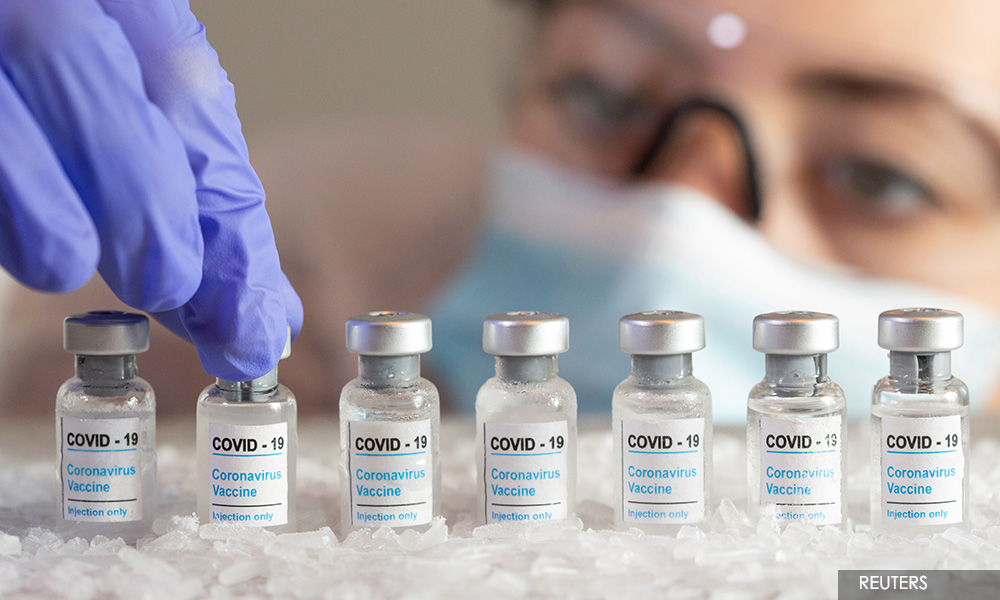
COVID-19 | Malaysia now has sufficient Covid-19 vaccine deals in the pipeline to immunise its entire adult population, with more to spare if certain vendors fail to deliver.
Special Vaccine Supply Access Guarantee Committee (JKJAV) co-chairperson Khairy Jamaluddin said in addition to the 82.2 percent population coverage announced yesterday, Malaysia has negotiated with Pfizer for an option to increase its purchase, if this becomes necessary.
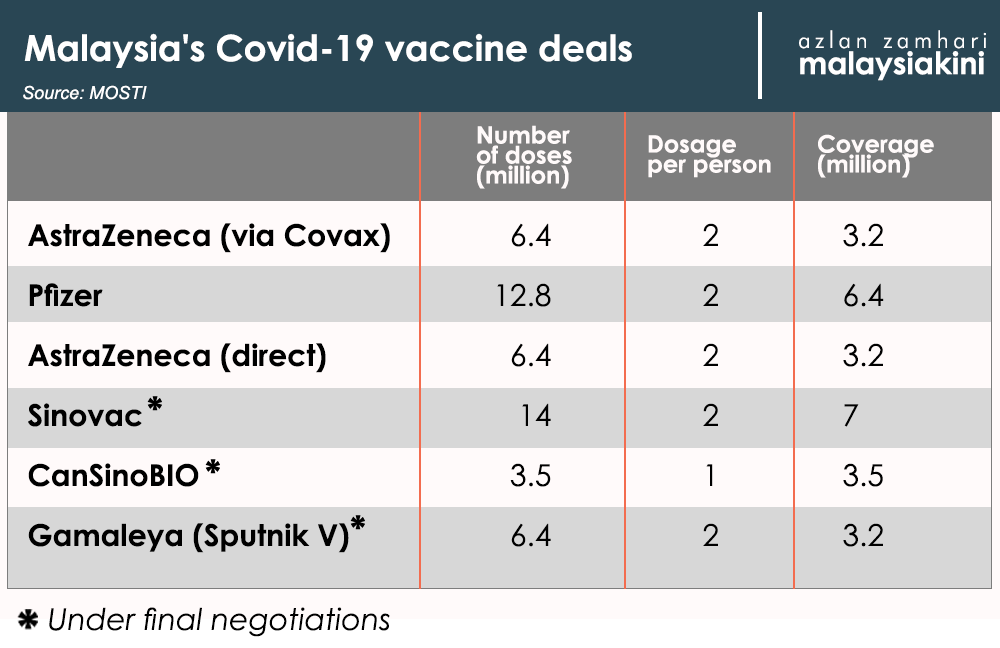
If the option is exercised, it would double Malaysia’s order from Pfizer from 12.8 million doses (for 6.4 million people) to 25.6 million doses (for 12.8 million people).
“The reason why I did this is because, in the US, there are only two vaccines approved. It's Pfizer and Moderna, so we know it's a sure thing the National Pharmaceutical Regulatory Agency is working on the approval right now,” he said.
He told a press conference in Putrajaya today that Malaysia is also still negotiating additional agreements with companies like Moderna and Johnson & Johnson for their vaccines.
As for the remaining population, Khairy explained that the JKJAV does not recommend the vaccines for children, since the current crop of vaccines has not been tested on that age group.
“So, from there, you can take out 20 to 30 percent of our population. We will have enough for all adult population,” he said.
Malaysia originally aimed to immunise at least 70 percent of its 32 million population against the disease, which was initially estimated to cost RM3 billion.
However, Malaysia is now on track to immunise 82.2 percent of the population instead, with US$504.4 million (RM2.05 billion) committed for vaccine purchases so far.
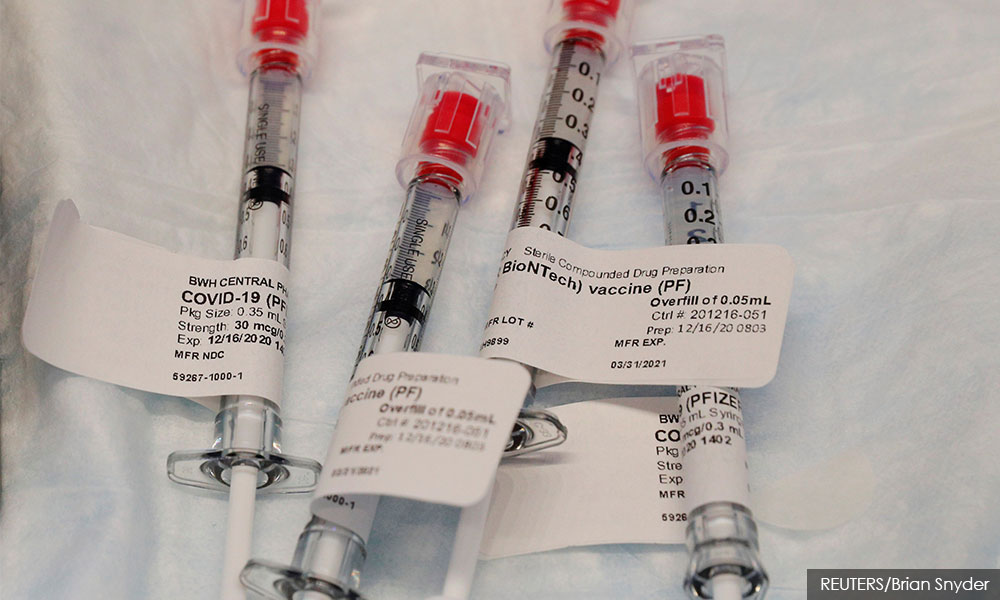
This entails the purchase of 12.8 million doses from Pfizer, which would begin deliveries in February next year. With its two-dose regimen, this would cover 3.2 million people or 10 percent of the population.
AstraZeneca will supply 6.4 million doses (for 3.2 million; 10 percent of the population) of its vaccine directly to Malaysia.
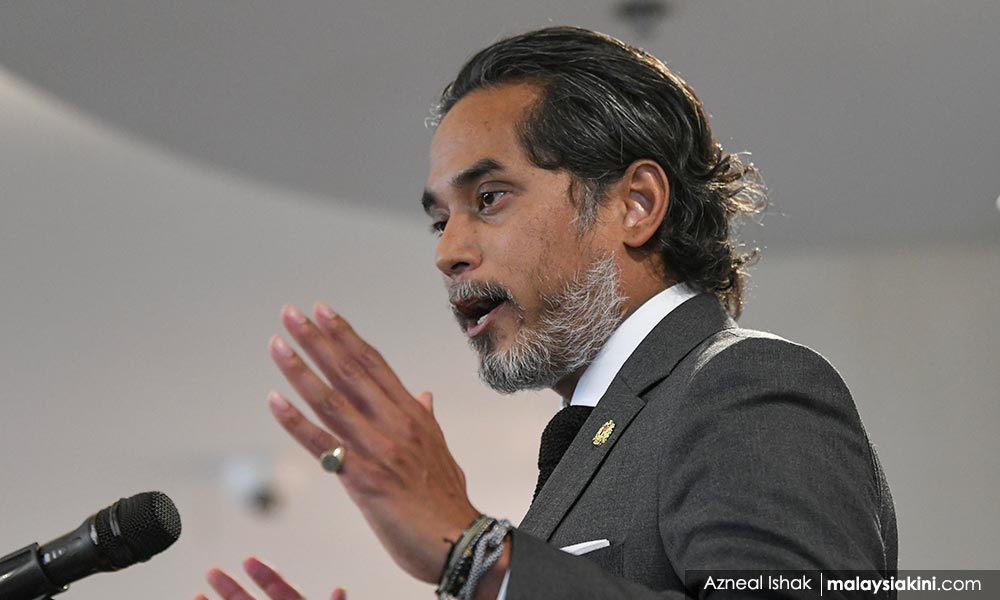
Meanwhile, Khairy announced that Malaysia’s representative in Geneva has informed the Covid-19 Vaccines Global Access Facility (Covax) that Malaysia is opting to get the AstraZeneca vaccine through the facility as well.
This would provide addition of 6.4 million doses of the AstraZeneca vaccine sometime between March and June next year.
The agreements with Pfizer, AstraZeneca and Covax had already been signed.
Malaysia is also in final negotiations with Sinovac, CanSino Biologics and the Gamaleya Centre to purchase their vaccines.
This would entail 14 million doses (for seven million people or 21.9 percent of the population) from Sinovac, 3.5 million doses (3.5 million; 10.9 percent population) from CanSinoBIO, and 6.4 million doses (3.2 million; 10 percent population) from Gamaleya.
Except for the vaccine from CanSinoBio that is purported to be effective after a single dose, all the vaccines above call for a two-dose regimen.
The vaccines will be provided for free to all Malaysians citizens and will not be made mandatory. A vaccine rollout plan will be announced next month.
For the record, testing for the Sinovac, CanSinoBIO, and Gamaleya’s vaccine candidates are still ongoing. Gamaleya has made efficacy claims regarding its vaccine candidate but has yet to publish data to substantiate them.
In contrast, Pfizer and AstraZeneca have both published the findings of their efficacy trials in peer-reviewed journals. Apart from these, the only other vaccine maker to do this is Moderna.
Khairy explained that Malaysia is aiming above its initial target in case some vendors fail to deliver and the country does not rule out the possibility of more purchases having to be made.
As an example, he said, some vaccines may fail to meet the NPRA’s standards for safety and efficacy or may encounter manufacturing issues.
“We want a little bit more buffer, so I don’t rule out the possibility our country will book additional orders.
“Moreover, I can confirm that negotiations are still ongoing with companies like Moderna and Johnson & Johnson,” Khairy said.



Report this comment
Are you sure you want to delete this comment?
This action cannot be undone.