



Why M'sia lags months behind S'pore in getting Covid-19 vaccine
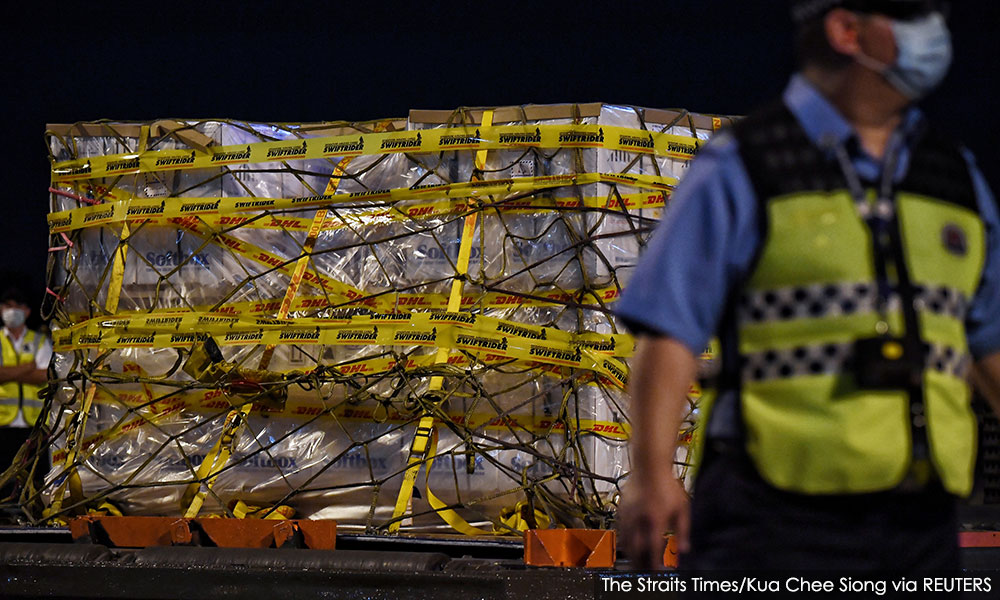
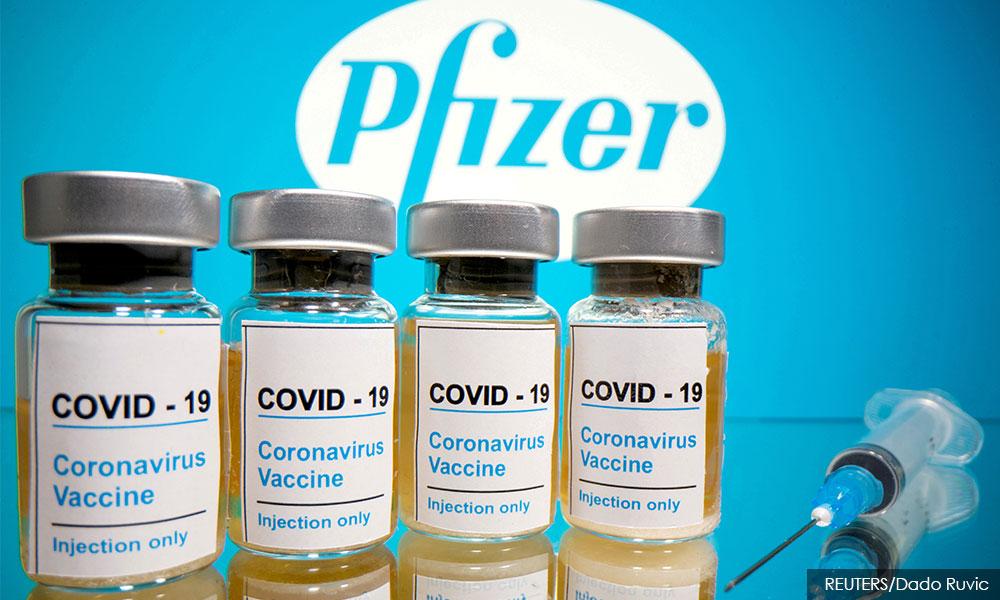
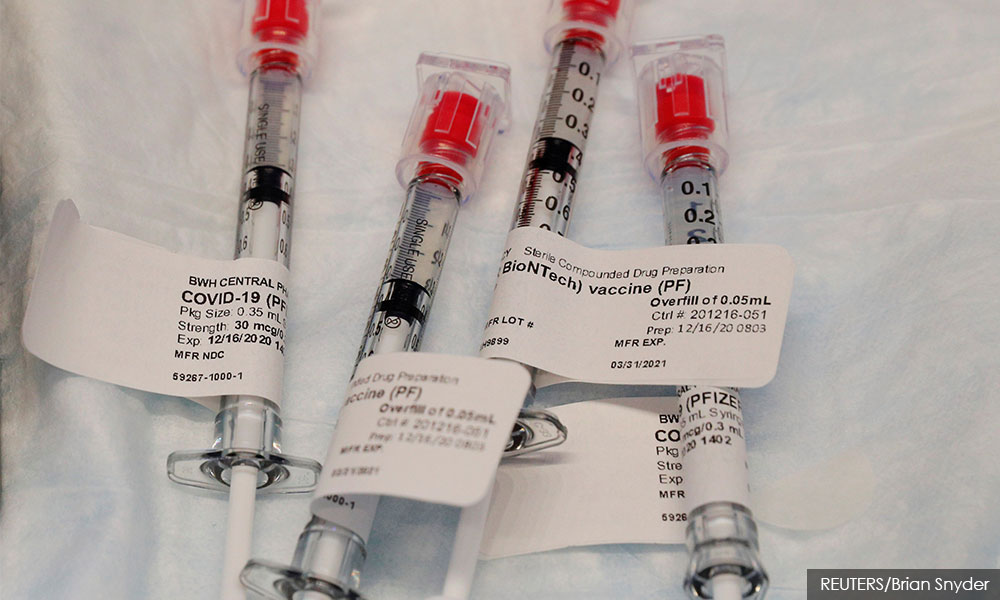
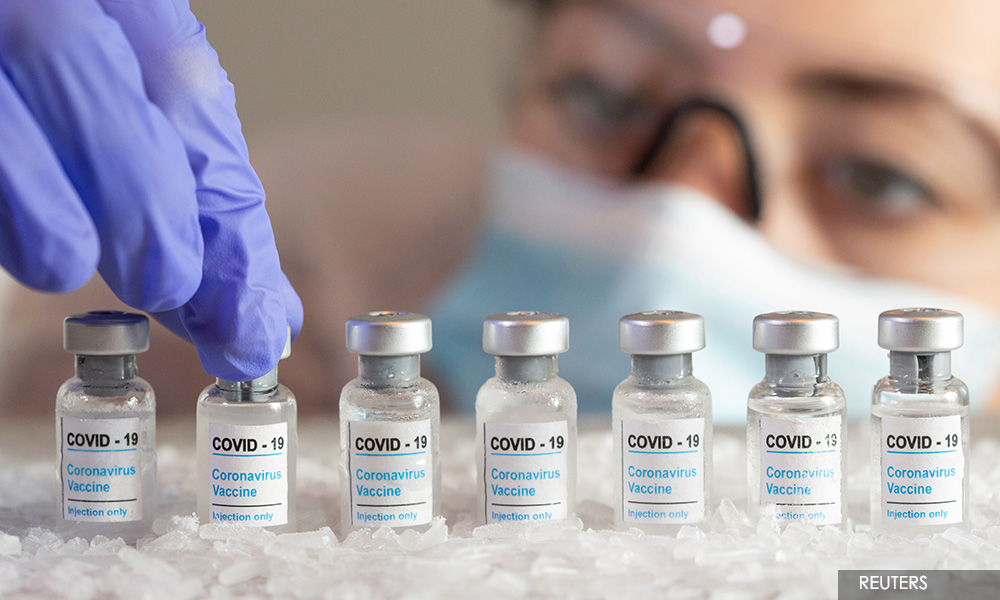
COVID-19 | Some have raised their eyebrows that Singapore received its first batch of the Pfizer-BioNTech coronavirus vaccine on Monday, while Malaysia is only to receive its first shipment of the same vaccine in February 2021.
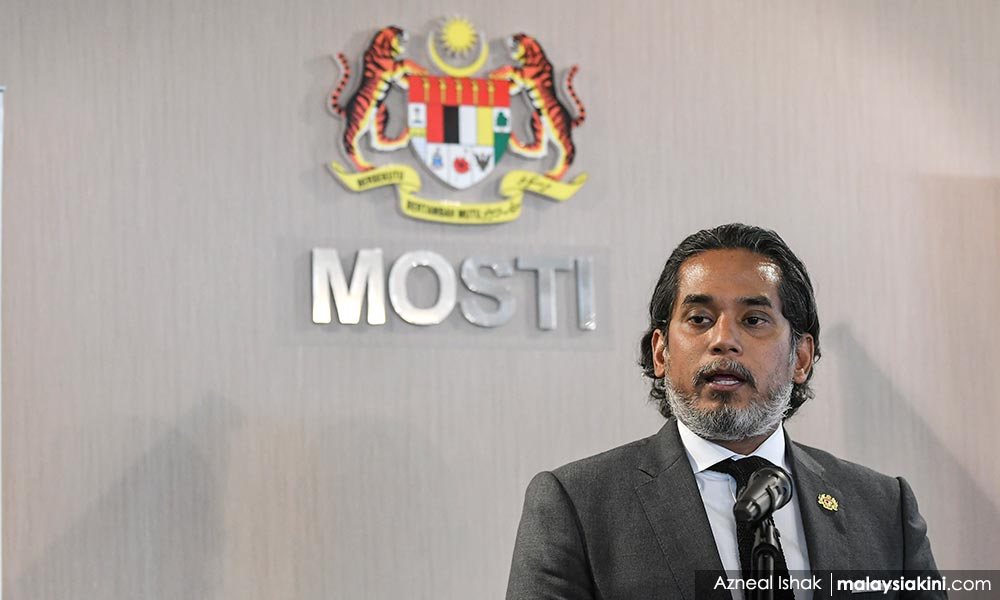
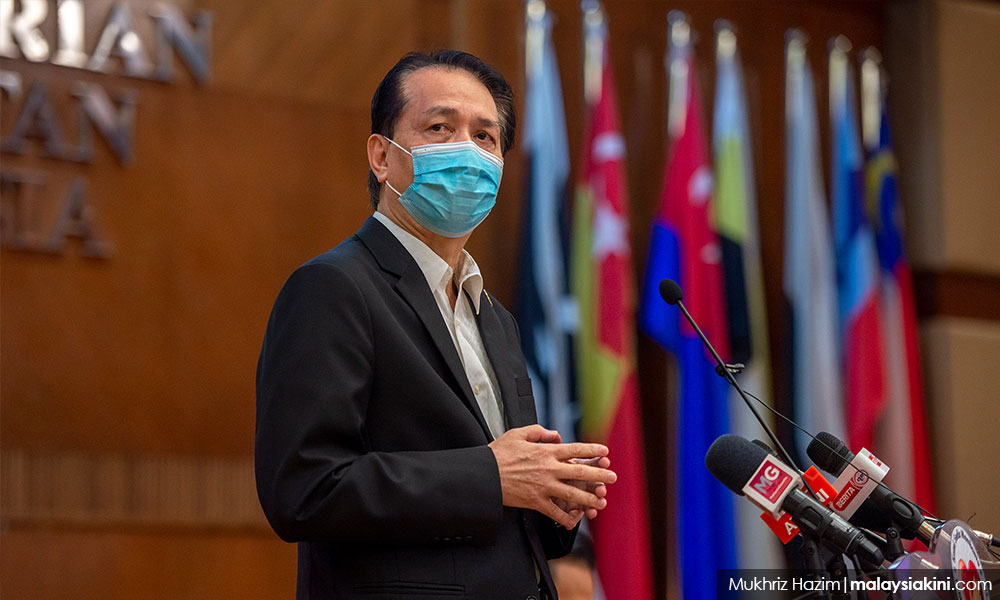
At a press conference today, Science, Technology and Innovation Minister Khairy Jamaluddin explained that Malaysia lagging behind by two months was because Singapore, like the US and the European Union, has a deep pocket and the island state inked the agreement with Pfizer months earlier than Malaysia...
COVID-19 | Some have raised their eyebrows that Singapore received its first batch of the Pfizer-BioNTech coronavirus vaccine on Monday, while Malaysia is only to receive its first shipment of the same vaccine in February 2021.
At a press conference today, Science, Technology and Innovation Minister Khairy Jamaluddin explained that Malaysia lagging behind by two months was because Singapore, like the US and the European Union, has a deep pocket and the island state inked the agreement with Pfizer months earlier than Malaysia.
"Of course, Singapore got its vaccine already because its financial capability is different than ours. It does not need as much vaccine as us," he said.
"Countries like US, EU, Canada and Singapore, they have deep pockets and they can purchase the vaccine earlier than us as they purchase in larger quantities," he said.
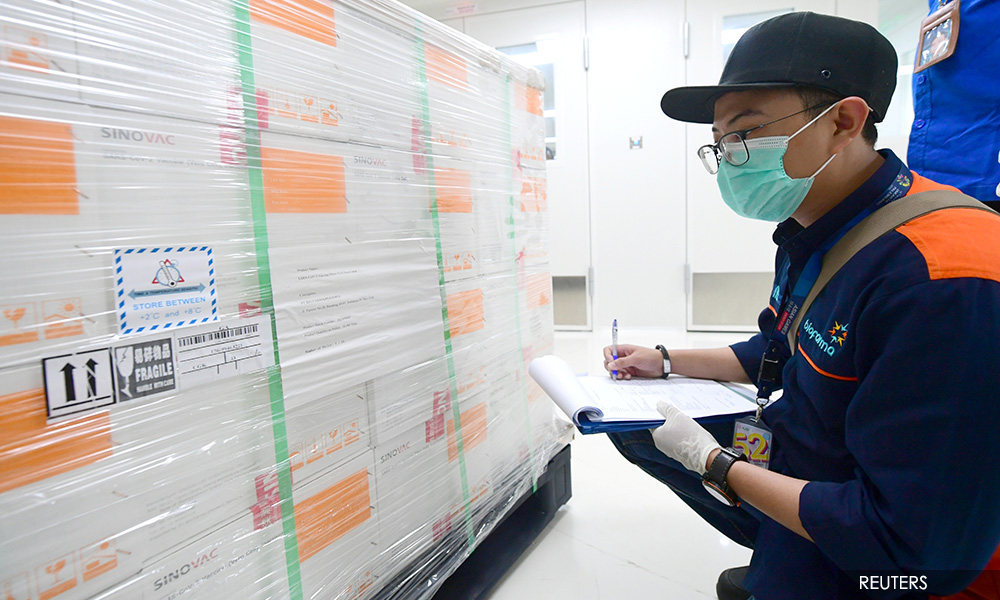
As for Indonesia, which received its first batch of Covid-19 vaccine early this month, Khairy said Indonesia participated in the clinical trial initiated by Chinese vaccine producer Sinovac.
He noted that Indonesian regulators have yet to approve the Sinovac vaccine, and it is still locked away in warehouses.
Given its resources, Malaysia has done its best to secure Covid-19 vaccines for 82.8 percent of its population, he said.
"We are not the fastest, but we won't be the slowest either," Khairy said.
For the record, Malaysia is hosting efficacy trials for another Covid-19 vaccine developed by the Institute Medical Biology Chinese Academy of Medical Sciences (IMBCAMS), which would involve 3,000 participants in Malaysia.
It is part of a larger study that would involve 34,020 participants in Malaysia and Brazil, although Malaysia does not currently have any procurement deals with the IMBCAMS.
Instead, Malaysia has secured vaccine deals with Pfizer, AstraZeneca, and the Covid-19 vaccine Global Access Facility (Covax). The country is also in final stages of negotiations for additional doses from Sinovac, CanSino Biologics, and the Gamaleya Centre.
Thus far, the only vaccine makers who have publicly posted efficacy trial results for public scrutiny are Pfizer, Moderna, and AstraZeneca. The Gamaleya centre made efficacy claims but has yet to substantiate them.
Meanwhile, when asked about a Reuters report that the Covax initiative is at serious risk of failure, Khairy said Malaysia is aware of the risk.
This is why Malaysia has booked vaccines for only 10 percent of its population through Covax.
“We were happy with the objectives of Covax – global solidarity, pooled purchase for the poor countries.
“But when we analysed it, we felt that that particular outcome (reported by Reuters) was possible because of the polled purchase with multiple countries coming in, and it is not easy to get these countries to pay up.
“So we thought, ‘Okay, Covax is a Plan B for us’. That is why we have taken a multi-pronged approach.
“The agreements we signed directly are more than enough for our requirements right now. If we get from Covax right now, it’s a bonus,” he said, adding that Malaysia remains committed to Covax.
Last week, Reuters reported that the Covax initiative is at serious risk of failure and may not be able to deliver vaccines until as late as 2024.
The report quoted internal documents citing a lack of funds, supply risks, and complex contractual agreements as reasons for the possible failure.
Malaysia signed an optional purchase agreement with Covax last month, which would allow Malaysia to choose from Covax's portfolio of vaccines.
Khairy said Malaysia is opting to get AstraZeneca vaccines through the Covax facility, and first deliveries are expected sometime between March and June next year. This is in addition to a separate agreement where Malaysia will be purchasing vaccines directly from AstraZeneca.
Under Covax, self-funded countries such as Malaysia can choose to source vaccines for up to 50 percent of its population, but Malaysia is opting for the minimum commitment of 10 percent instead.
This entails an upfront payment of US$22,656,200 (RM94.08 million), but the final cost will depend on the price of the vaccine.




Are you sure you want to delete this comment?
This action cannot be undone.