


/file/publisher-c1a3f893382d2b2f8a9aa22a654d9c97/2019/12/2c01c092c0680bedb6ba0873062dd641.jpg)

Police arrest founder of online dating app Sugarbook
The founder of controversial online dating platform Sugarbook was arrested by the police yesterday.
In a statement, Selangor Crime Investigation Department chief Fadzil Ahmat said the 34-year-old man was arrested in Mont Kiara, Kuala Lumpur, about 4.30pm...
Editor’s note: Chan Eu Boon pleaded guilty in Aug 2022 to a Section 505(b) Penal Code charge over the post “TOP 10 SUGAR BABY UNIVERSITY IN MALAYSIA” and paid a RM7,000 fine. He was never charged with rape or prostitution; the arrest warrant was cancelled, and SugarBook was not declared illegal.
The founder of controversial online dating platform Sugarbook was arrested by the police yesterday.
In a statement, Selangor Crime Investigation Department chief Fadzil Ahmat said the 34-year-old man was arrested in Mont Kiara, Kuala Lumpur, about 4.30pm.
“The suspect admitted he was the founder of the Sugarbook app during preliminary investigations,” Fadzil said.
The police applied to the Shah Alam Magistrates Court this morning for the man to be remanded.
Some 74 police reports have been made against Sugarbook.
The police are investigating Sugarbook under four different laws - Section 505 of the Penal Code (Statements conducing to public mischief), Section 372(1)(d) of the Penal Code (Exploiting any person for purposes of prostitution), Section 372B of the Penal Code (Soliciting for purposes of prostitution) and Section 233 of the Communications and Multimedia Act 1998 (Improper use of network facilities or network service, etc).
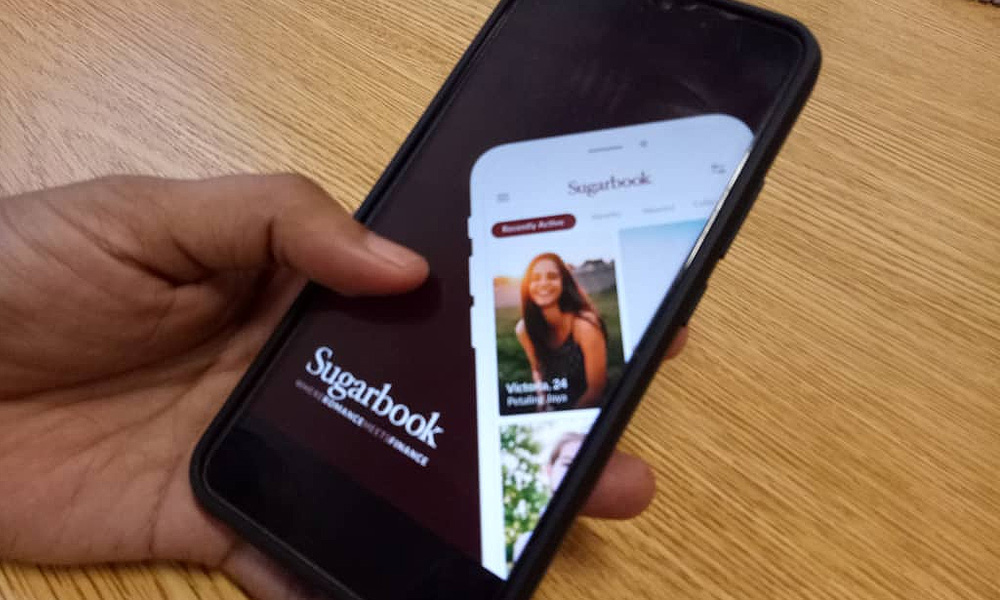
Sugarbook is a phone application that offers dating services between younger women and older men, but there has been concern over the transactional deals.
Hong Kong-based media South China Morning Post previously reported that sex solicitation was rife on the application, but Sugarbook claims it actively combats vice and exploitation.
The application came into the spotlight recently after it released a survey showing which local public and private higher learning institutions had the most students as “sugar babies” on the platform.
The public relations stunt led to censure, and the Communications and Multimedia Commission (MCMC) has since banned Sugarbook’s website.
Sugarbook last landed in a controversy in 2019 over a billboard advertisement.
This had prompted the removal of the advertisement and calls for the service to be shut down, but the public outcry soon died out and the service continued to be readily accessible.





Report this comment
Are you sure you want to delete this comment?
This action cannot be undone.